
Picking
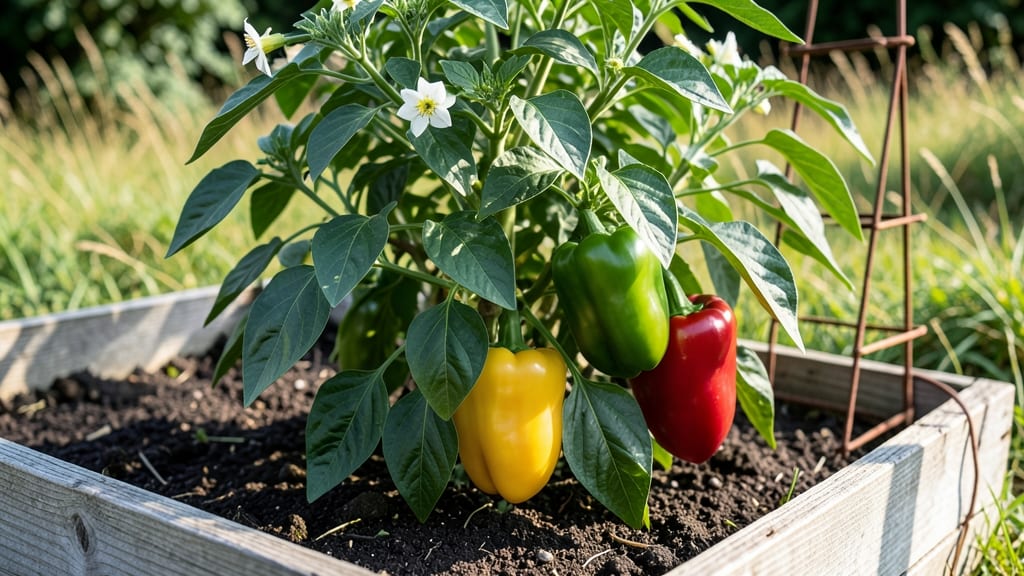
Growing Keystone Giant peppers on a trellis turns your garden into a 60-day heat factory—no bitterness, just sweet, thick-walled peppers that make salsa and roasting worth the wait. 🌶️ I learned the hard way that skipping the pole support means sprawling vines stealing space from other plants, but once you commit, the harvest changes everything.
These peppers thrive in USDA zones 4-10 and love full sun (at least 6-8 hours daily) with well-draining soil rich in compost. Start seeds indoors 8-10 weeks before last frost, then transplant after soil warms to 60°F.
The key? Pole training—tie vines to a sturdy trellis as they grow to save space and improve air circulation, cutting down on disease risks.
By mid-summer, you’ll see foot-long peppers hanging like lanterns, their thick walls perfect for stuffing or drying. Water consistently (1-2 inches per week) but avoid wetting leaves to prevent fungal issues.
Harvest when firm but still slightly soft—early picking encourages more fruit—and watch your neighbors ask for seeds.
Troubleshooting is simple: blossom end rot? Boost calcium with crushed eggshells or lime. Poor fruit set? Hand-pollinate with a paintbrush if bees are scarce. Container growers can use 5-gallon pots with good drainage, but garden beds give them room to stretch their legs.
📚 In This Guide
- What you need
- Instructions
- Tips and common mistakes
- Wrapping up and next steps
What you need
- ● Seeds: 3–5 Keystone Giant pepper seeds (non-GMO, heirloom preferred for best flavor).
- ● Seed-starting mix: 10–15 lbs of lightweight, sterile potting soil (avoid garden soil—it’s too dense!).
- ● Containers: 3–5 small pots (4–6 inches wide) or a seed tray with individual cells.
- ● Grow lights or sunny windowsill: A full-spectrum LED grow light (12–16 hours/day) or a south-facing window with 6+ hours of sunlight.
- ● Fertilizer: A balanced, water-soluble fertilizer (e.g., 5-5-5 or 10-10-10) or organic options like fish emulsion or compost tea.
- ● Pole or trellis: A 6–8-foot tall bamboo stake, wooden post, or metal trellis (diameter: 1–2 inches).
- ● Twine or soft plant ties: 50+ feet of jute or plastic-coated twine (¼-inch width) or reusable fabric plant ties.
- ● Pruning shears: Sharp, sterilized shears (for trimming and training vines).
- ● Mulch: 2–3 inches of organic mulch (straw, wood chips, or shredded leaves) to retain moisture.
- ● Heat mat: For faster germination (70–80°F is ideal).
- ● pH test kit: To monitor soil pH (aim for 6.0–6.8 for optimal growth).
- ● Cage or tomato cage: As a temporary support if poles aren’t available.
- ● Shade cloth: For hot climates (30–50% shade to prevent stress).
- ● Compost or worm castings: For extra nutrients (mix 10% into soil at planting).
- ● Spray bottle: For gentle watering during seedling stage.
Step-by-step instructions for growing Keystone Giant peppers pole-trained
Here's how to coax those massive, sweet peppers from seed to harvest using a pole system—no sprawling vines, just vertical heat.
🌱 Step 1: Start Seeds Indoors 8-10 Weeks Before Last Frost
Fill 2-3 inch deep seedling trays with sterile seed-starting mix and plant 2 seeds per cell at a depth of ¼ inch. Press gently but don't compact the soil—Keystone Giants need air around their roots to develop strong stems for pole training. Keep the mix moist (not soggy) and maintain soil temperatures between 75-85°F for fastest germination.
Germination takes 7-14 days, but don't rush to water once sprouts appear. You'll know moisture is right when the soil surface looks slightly damp but not glistening. Thin to one seedling per cell after 2-3 true leaves emerge—this prevents competition and gives each plant room to develop sturdy stems for pole support.
🪴 Step 2: Transplant Seedlings to Larger Pots with Support Poles
When seedlings reach 4-5 inches tall (about 6-8 weeks after sowing), move them to 5-gallon containers with a 6-foot tall bamboo stake or metal trellis inserted at planting. This early support prevents flopping later. Fill pots with a mix of 60% potting soil, 30% compost, and 10% perlite to ensure excellent drainage while retaining moisture.
Plant each seedling 1 inch deeper than its current container level—this encourages stronger root development. Water thoroughly after transplanting, then let the top inch of soil dry before watering again. The pole should be positioned 2 inches from the main stem to avoid damaging roots as the plant grows.
☀️ Step 3: Harden Off and Transition to Outdoor Growing
Begin hardening off 2 weeks before last frost by placing seedlings outside in a sheltered spot for 1-2 hours daily, gradually increasing exposure over 10-14 days. Watch for leaves that stay firm and green—wilting or yellowing means they're not ready. Transplant outdoors after all danger of frost has passed and soil temperatures reach 60°F.
Plant in full sun (6-8 hours daily) with poles inserted 6 inches deep to ensure stability. Space plants 18-24 inches apart in the garden or 3 feet apart if using a central support structure. The pole should be tied to the main stem at 12-inch intervals as the plant grows to prevent breakage from wind or fruit weight.
💧 Step 4: Maintain Pole Training and Fertilize for Maximum Growth
Water at the base 1-2 inches deep weekly, aiming for 1 inch of water per week—more during fruit set. Never let soil dry completely, but avoid soggy conditions. Keystone Giants need consistent moisture to develop their signature size. Tie new growth to the pole every 7-10 days using soft plant ties or strips of fabric to avoid damaging stems.
Feed with a balanced 10-10-10 fertilizer every 4-6 weeks once flowers appear. You'll see the difference in fruit size within weeks—healthy plants produce peppers weighing 1-2 pounds each. Prune suckers (shoots in the leaf axils) to direct energy upward and prevent overcrowding.
✂️ Step 5: Harvest at Peak Ripeness for Best Flavor
Harvest when peppers reach 10-12 inches long and develop their characteristic deep red color. Use pruning shears to cut the stem ¼ inch above the fruit—this prevents disease entry and encourages more blooms. You'll get 4-6 peppers per plant in a good season, each packed with sweet heat.
Store harvested peppers in a cool, dark place for up to 2 weeks. For long-term storage, freeze whole or slice and blanch before freezing. The key to repeat harvests is consistent care—keep poles secure, water deeply, and fertilize regularly. With this method, you'll enjoy homegrown Keystone Giants in 60-70 days from transplanting.
Tips & tricks for growing Keystone Giant peppers vertically
These proven strategies will help you grow peppers that rival commercial sizes while keeping your garden organized and efficient.
Heat Management: The 75-85°F soil temperature range for germination is non-negotiable—use a seedling heat mat if your home stays cooler. I've seen germination slow dramatically when soil temps dip below 70°F, so monitor closely. For outdoor planting, wait until soil reaches 60°F to prevent shock to the roots. A soil thermometer is your best friend here.
Pole Placement Strategy: Positioning the 6-foot tall support poles just 2 inches from the main stem (as mentioned in Step 2) is crucial for stability. I recommend using metal trellises over bamboo stakes—they won't rot and provide better wind resistance. Secure the base with a U-shaped stake pounded 6 inches deep into the ground, then tie the pole to the plant stem every 12 inches as it grows. This creates a "cage" effect that prevents the plant from swaying in storms.
Watering Technique: The 1-2 inches deep weekly watering schedule works best when done at the base of the plant, not overhead. I use a soaker hose to deliver water slowly and evenly, which prevents fungal diseases that can develop from wet leaves. During fruit set, increase to 1.5 inches per week and water in the morning to allow foliage to dry before evening. This consistency is what produces those signature 1-2 pound peppers.
Fertilizer Timing: The 4-6 week feeding schedule with 10-10-10 fertilizer should begin only after you see flowers appear—this prevents excessive leafy growth at the expense of fruit development. I've found that splitting the recommended dose between two applications (every 2-3 weeks) gives more predictable results. Stop fertilizing completely 4 weeks before harvest to allow the plant to focus energy on fruit maturation rather than new growth.
Pro Tips for Keystone Giant Pepper
- These proven strategies will help you grow peppers that rival commercial sizes while keeping your garden organized and efficient.
- Heat Management: The 75-85°F soil temperature range for germination is non-negotiable—use a seedling heat mat if your home stays cooler.
- Pole Placement Strategy: Positioning the 6-foot tall support poles just 2 inches from the main stem (as mentioned in Step 2) is crucial for stability.
Frequently asked questions
Got questions about growing the Keystone Giant pepper?
You’re not alone! This heat-loving, non-bitter variety is a favorite, but it does have its quirks. Below, we tackle the most common concerns—from planting to harvest—to help you grow a bumper crop of these massive, flavorful peppers.
When is the best time to plant Keystone Giant peppers?
The Keystone Giant thrives in warm soil, so wait until after the last frost (when nighttime temps stay above 50°F/10°C) to transplant seedlings outdoors. Start seeds indoors 8–10 weeks before the last frost for a head start. If your growing season is short, consider using black plastic mulch or a cold frame to extend warmth.
Why aren’t my Keystone Giant peppers turning red?
This pepper variety is green when mature—it won’t turn red like bell peppers! If yours are staying small or pale, check for sunlight (6+ hours daily), water (1–1.5 inches per week), and nutrients (balanced fertilizer every 4–6 weeks). Overcrowding or poor pollination (hand-pollinate if needed) can also stunt growth.
Can I grow Keystone Giants in containers?
These peppers do well in 5-gallon+ containers with good drainage. Use a lightweight potting mix and a trellis or cage for support (they can grow 3–4 feet tall!). Just ensure containers get full sun and stay consistently moist—container soil dries out faster than in-ground beds.
What pests or diseases should I watch for with Keystone Giants?
Common threats include aphids, pepper maggots, and fungal issues (like powdery mildew). Preventively:
- Use row covers early in the season to block pests.
- Rotate crops yearly to reduce soil-borne diseases.
- Spray neem oil or insecticidal soap at the first sign of trouble.
How long does it take for Keystone Giant peppers to mature?
From transplant to harvest, expect 60–70 days in ideal conditions (warm temps, full sun, and consistent care). Peppers are ready when they’re 8–12 inches long, firm, and glossy. Harvest early for smaller, milder peppers or wait for larger, meatier ones—just don’t let them get woody!
Wrapping up and next steps
Growing Keystone Giant peppers is a rewarding journey that delivers bold, sweet heat without the bitterness—all in just 60 days! With the right pole-training techniques, patience, and a little care, you’ll harvest a bounty of giant-sized peppers perfect for grilling, stuffing, or sharing with fellow spice lovers. 🌶️✨
Ready to take the next step? Start with a single plant this season, experiment with your setup, and soon you’ll be a Keystone Giant pro—impressing friends and expanding your pepper repertoire. Happy growing! 🌱🔥