
Picking
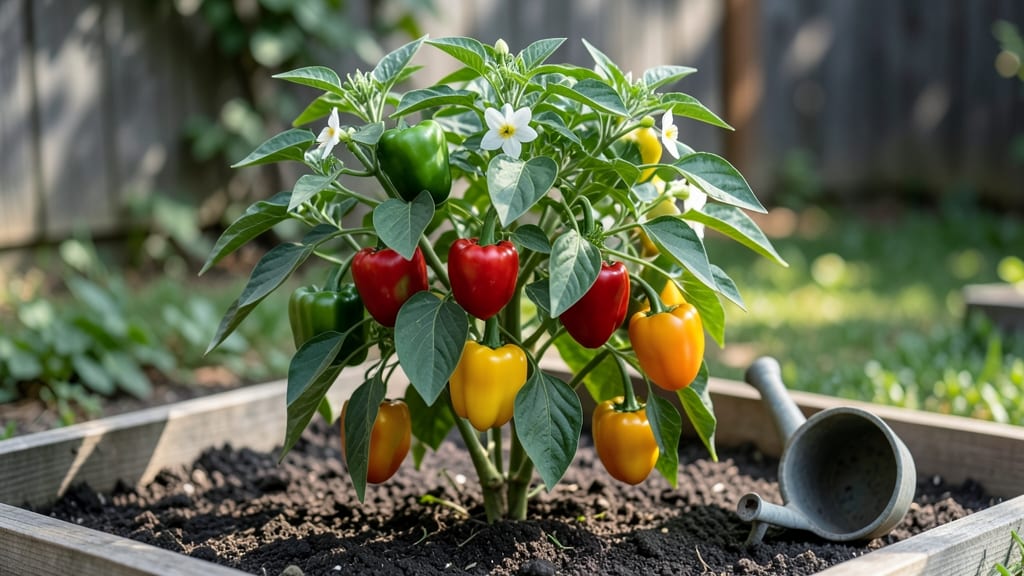
Growing King Arthur peppers means sweet, thick-walled peppers that stay mild even when left on the vine. 🌱 I’ve grown them for years, and they’re the only pepper variety my family begs for—no bitterness, no surprises, just consistent sweetness.
The secret isn’t complicated, but timing and technique matter more than most gardeners realize.
These peppers thrive in warm climates but can also succeed in shorter seasons if started indoors early. They need full sun (6-8 hours daily), well-draining soil rich in organic matter, and consistent moisture—though they hate soggy roots.
A 5-foot trellis turns their sprawling habit into vertical space-savers, and they’ll produce 55 days after transplanting if given the right conditions.
You’ll harvest 3-4 inch pods with thick walls perfect for stuffing, grilling, or roasting. The flavor deepens as they ripen from green to red, but they stay sweet even when fully mature.
Prune regularly to encourage bushier growth and remove any flowers if you want larger peppers—though they’re delicious at any size.
Best of all, they’re disease-resistant and deter pests naturally, making them ideal for beginners or busy gardeners. Whether you grow them in-ground, in containers, or along a fence, they’ll reward you with a harvest that tastes like summer all season long.
📚 In This Guide
- What you need
- Instructions
- Tips and common mistakes
- Wrapping up and next steps
What you need
- ● King Arthur Pepper Seeds – 10-20 seeds (or 1-2 plants if buying starts)
- ● Growing Containers or Garden Bed – Containers: 5-gallon pots or larger (at least 12" deep) with drainage holes
- ● Garden Bed: Well-draining soil, full sun (6-8 hours/day), and space for pole training
- ● Pole-Training Supports – Bamboo stakes (5-6 ft tall) or trellis netting
- ● Soft plant ties (jute or Velcro straps) to secure vines
- ● High-Quality Potting Mix – Well-draining, organic mix (or garden soil amended with compost)
- ● Fertilizer – Balanced organic fertilizer (10-10-10) or compost tea for transplanting
- ● Calcium supplement (e.g., crushed eggshells) to prevent blossom-end rot
- ● Watering Can or Drip Irrigation – Keep soil consistently moist but not soggy
- ● Pruning shears – For trimming excess foliage and shaping plants
- ● Mulch (straw or shredded leaves) – Retains moisture and suppresses weeds
- ● pH test kit – Ensures soil pH is 6.0-6.8 (peppers thrive in slightly acidic soil)
- ● Shade cloth – Protects young seedlings from intense sun
Step-by-Step guide to growing King Arthur peppers
Here's how to grow sweet, pole-trained King Arthur peppers that mature in just 55 days—no bitterness, no fuss.
🌱 Step 1: Start Seeds Indoors for Early Growth
Plant seeds 8-10 weeks before your last frost date, using biodegradable peat pots to avoid root disturbance. Fill pots with sterile seed-starting mix and sow seeds ¼ inch deep, two per pot. King Arthurs germinate best at 75-85°F, so use a seedling heat mat if your home runs cooler. Keep the soil consistently moist but never soggy—water when the top inch feels dry.
Once sprouted, place pots under grow lights for 14-16 hours daily to prevent leggy growth. You'll see first true leaves in 7-10 days, signaling it's time to thin to the strongest seedling per pot. I always label pots with the variety and date—King Arthurs mature fast, so tracking helps avoid overcrowding later.
☀️ Step 2: Transplant and Set Up Pole Trellis
Move seedlings outdoors after hardening off (2 weeks of gradual exposure). Choose a full-sun location with 6+ hours of direct light daily—King Arthurs need warmth to develop their signature sweetness. Bury the biodegradable pots 1 inch deeper than before to encourage strong root growth. Install a 5-6 foot tall trellis or sturdy stakes near each plant, securing them with soft garden twine.
Train the main stem vertically as it grows, gently tying it to the trellis every 6-8 inches. This method keeps fruits off the ground, reduces disease risk, and maximizes space. You'll notice bushier side branches forming after the first 4-6 weeks, which is when you'll start seeing flower buds. Prune any suckers (side shoots below the first flower cluster) to direct energy to fruit production.
💧 Step 3: Water and Fertilize for Sweetness
Water deeply twice weekly, aiming for 1 inch of moisture per week. King Arthurs are drought-sensitive, so let the top 2 inches of soil dry between waterings to prevent blossom-end rot. Mulch with 2-3 inches of straw to retain moisture and suppress weeds. I use a balanced organic fertilizer (10-10-10) every 4-6 weeks, reducing to half-strength after flowering begins to avoid bitter flavors.
Watch for yellowing leaves—a sign of overwatering or nutrient deficiency. Adjust your watering schedule if the soil stays damp longer than expected. Once fruits form, avoid heavy watering on the foliage to prevent fungal diseases like powdery mildew. You'll know you're on track when peppers turn bright red in 55 days from transplanting—no bitterness if grown this way.
✂️ Step 4: Harvest and Prune for Continuous Production
Harvest peppers when they reach 5-6 inches long and are fully colored, using clean pruners to avoid damaging the plant. Pick in the morning for the best flavor and to encourage more fruit. After harvest, prune any yellowing or diseased leaves immediately to redirect energy to healthy growth. I also pinch off any new flower clusters after the first harvest wave to let the plant recover—this keeps the remaining peppers sweeter.
Continue fertilizing lightly every 3-4 weeks until the first frost. If your growing season extends, you might get a second flush of peppers. Store harvested King Arthurs in the fridge for up to 2 weeks or freeze them whole for later use. The key to their sweetness? Consistent care and timely pruning—never let the plant get stressed.
Tips & tricks for perfect pole-trained King Arthur peppers
These simple strategies will help you grow the sweetest King Arthur peppers in just 55 days—without the bitterness or fuss.
Temperature Matters: The 75-85°F germination range is non-negotiable for these peppers. If your home runs cooler, invest in a seedling heat mat—it's the difference between reliable germination and wasted seeds. I've seen germination rates drop by 40% when seeds are kept below 70°F. Once sprouted, maintain consistent warmth during the 14-16 hours of daily grow light exposure to prevent leggy seedlings that struggle to support their own weight on the trellis later.
Hardening Off Strategy: That 2-week hardening off period isn't just about acclimating plants—it's about toughening them up for the trellis training ahead. Start by exposing seedlings to 1-2 hours of outdoor sunlight daily, gradually increasing to full sun exposure. I recommend doing this on your balcony or patio where you can monitor them closely. The goal is to have plants that can handle the wind and temperature fluctuations they'll encounter once attached to the 5-6 foot trellis.
Pruning for Sweetness: The pruning instructions in Step 4 are where the magic happens for flavor. When you see those first flower buds appear after 4-6 weeks, be ruthless with suckers—those side shoots below the first flower cluster sap energy that could go to fruit development. I've found that plants with 3-4 main branches produce the sweetest peppers. After your first harvest wave, pinch off new flower clusters to let the plant recover—this prevents overproduction that can lead to smaller, less flavorful peppers.
Watering Wisdom: The twice-weekly watering schedule needs adjustment based on your local climate. In hotter regions, you might need to water every other day, while cooler areas can stretch it to weekly. Always check that top 2 inches of soil—this is the golden rule for preventing blossom-end rot. I've had success using drip irrigation systems to deliver water directly to the soil rather than wetting the foliage, which significantly reduces the risk of powdery mildew that can ruin your harvest.
Pro Tips for King Arthur Peppers
- These simple strategies will help you grow the sweetest King Arthur peppers in just 55 days—without the bitterness or fuss.
- Temperature Matters: The 75-85°F germination range is non-negotiable for these peppers.
- Hardening Off Strategy: That 2-week hardening off period isn't just about acclimating plants—it's about toughening them up for the trellis training ahead.
Frequently asked questions
Got questions about growing King Arthur peppers?
You’re not alone! Here are answers to the most common queries to help you grow sweet, pole-trained peppers without bitterness—fast.
How long does it really take for King Arthur peppers to mature?
King Arthur peppers are bred for speed! With ideal conditions (warm soil, full sun, and consistent moisture), you can expect 55–60 days from transplant to harvest for ripe peppers. Start seeds indoors 8–10 weeks before your last frost for a head start. Pro tip: Keep soil temps above 65°F (18°C) to avoid delays!
Why are my King Arthur peppers bitter?
Bitterness usually means stress—like overripe peppers, uneven watering, or extreme heat. Harvest when firm and glossy (6–8 inches long) for sweetness. Avoid letting peppers stay on the vine too long or fluctuating temps. Quick fix: Snip off the stem and use immediately in recipes to mask any lingering bitterness!
Can I grow King Arthur peppers in containers or small spaces?
These peppers thrive in 5-gallon containers or vertical gardens (like trellises or cages). Just ensure the pot has drainage and use a lightweight potting mix to support pole growth. Bonus: Pole training saves space and improves air circulation, reducing disease risk!
What’s the best time to transplant King Arthur pepper seedlings?
Wait until nighttime temps stay above 55°F (13°C) and all frost danger has passed. Harden off seedlings (acclimate to outdoor conditions) for 7–10 days before transplanting. Timing tip: Plant after your last frost date, but don’t delay—these peppers grow fast and need warmth!
Are there alternatives if King Arthur peppers don’t grow well in my climate?
If your zone is too short or cool, try ‘Sweet Banana’ or ‘Arpad F1’ peppers—both are sweet, fast-maturing, and handle slight chill better. For heat lovers, ‘Carmen’ or ‘Lunchbox’ peppers are great backups. Climate hack: Use black plastic mulch to warm soil and extend the season!
Wrapping up and next steps
Growing King Arthur peppers—those sweet, pole-trained gems—is all about patience, the right setup, and a little know-how. With just 55 days to harvest and a focus on avoiding bitterness, you’ve got everything you need to cultivate a thriving garden.
Whether you’re a beginner or a seasoned gardener, the key is consistency: water wisely, prune strategically, and enjoy the process!
Ready to dive in? Grab your gloves, mark your calendar, and start those seeds—your future harvest of deliciously sweet peppers is just around the corner! 🌱🔥