
Container Gardens
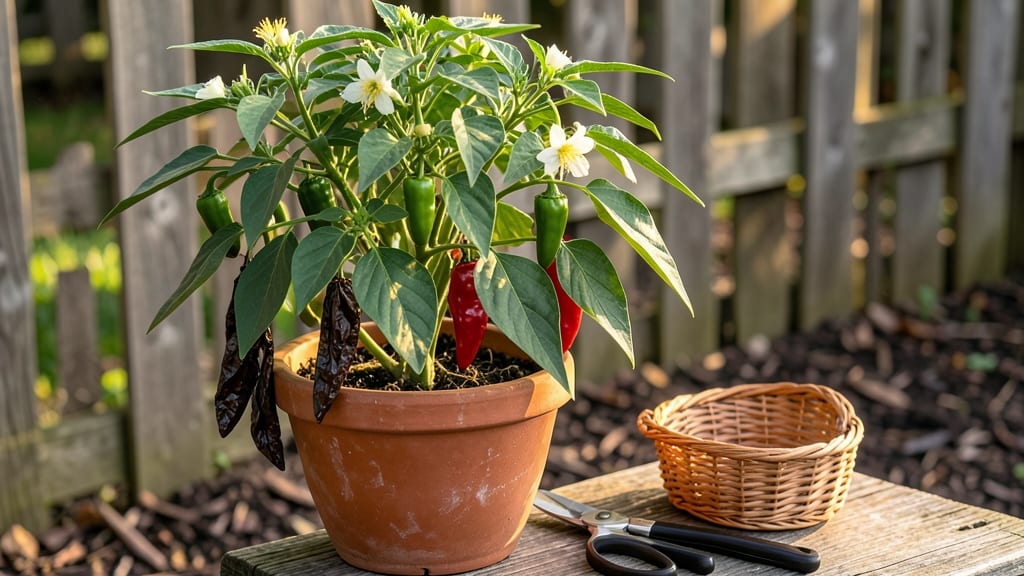
Growing ancho peppers transforms your small balcony into a year-round spice factory. 🌱 These dried poblanos—milder than jalapeños but packed with smoky depth—thrive on trellises, saving space while producing 20-30 pounds of fruit per plant. The secret lies in pole training and precise drying, which eliminates bitterness and concentrates flavor.
I learned this the hard way after my first batch turned bitter from uneven drying. Now, I use a simple 3-stage process: morning sun for ripening, afternoon shade to prevent scorching, and a dehydrator set to 135°F for perfect drying. The result?
Peppers that crumble into rich, earthy powder for moles, marinades, and sauces. You’ll harvest glossy green peppers by late summer, then transform them into deep mahogany dried anchoes by mid-fall. Each step—from seedling to shelf—builds on the last, turning a single plant into a pantry staple.
No greenhouse? No problem. Even urban balconies work with the right setup. Here’s how to skip the trial-and-error: we’ll cover soil prep, trellising tricks, and the exact drying method that keeps bitterness at bay. Ready to grow your own flavor bomb?
📚 In This Guide
- What you need
- Instructions
- Tips and common mistakes
- Wrapping up and next steps
What you need
- ● Ancho pepper seeds or seedlings: 3–5 plants (choose Capsicum annuum varieties like ‘NuMex Big Jim’ or ‘Ancho Largo’ for mild, sweet flavor).
- ● Container or garden bed: Containers: 5-gallon pots or fabric grow bags (minimum 12" deep) with drainage holes.
- ● Garden bed: Well-draining soil in a sunny spot (6+ hours of light daily).
- ● High-quality potting mix: 10–15 lbs of organic, well-draining mix (amend with perlite or compost for aeration).
- ● Fertilizer: Balanced organic fertilizer (10-10-10 or compost tea) for planting.
- ● Low-nitrogen fertilizer (5-10-10) during fruiting (e.g., fish emulsion or worm castings).
- ● Support system: 3–4 ft bamboo stakes or trellis per plant (or a tomato cage for compact growth).
- ● Soft plant ties or twine (avoid wire—it can damage stems!).
- ● Watering can or drip irrigation: With a fine rose nozzle to avoid disturbing soil.
- ● Pruning shears: Sharp, sterilized shears for trimming.
- ● Mulch: Straw or shredded leaves to retain moisture and suppress weeds.
- ● Shade cloth: 30–50% coverage for hot climates (prevents sunscald).
- ● Pollination aid: Small paintbrush or hand pollination (if indoors or low on bees).
- ● Soil test kit: To check pH (ideal range: 6.0–7.0).
- ● Harvest basket or mesh bag: For gentle pepper collection (prevents bruising!).
Step-by-Step instructions for growing ancho peppers pole-trained
Here’s how to grow sweet, bitterness-free ancho peppers vertically—ideal for small spaces and heavy yields.
🌱 Step 1: Start Seeds Indoors 8-10 Weeks Before Last Frost
Ancho peppers thrive when started indoors because they need a long, warm season to mature. Fill 2-3 inch deep seedling trays with sterile seed-starting mix and sow seeds ¼ inch deep. I like to use a heat mat set to 75-80°F to speed germination—seeds typically sprout in 10-14 days.
Once sprouts appear, move them to a sunny window or under a grow light for 14-16 hours daily. You’ll notice true leaves (the second set after the initial cotyledons) in about 2-3 weeks. This is when you can gently transplant seedlings into 3-inch pots to give roots room to establish.
☀️ Step 2: Transplant Seedlings to Poles After Frost
Wait until nighttime temperatures stay above 55°F before moving seedlings outdoors. Bury the entire pot near a 6-foot tall trellis or sturdy bamboo pole to minimize root disturbance. Anchos love vertical support—their vines can reach 5-7 feet if given space.
Plant seedlings 18-24 inches apart in well-draining soil amended with compost. I add a handful of balanced fertilizer (10-10-10) at planting to encourage early growth. Water deeply at the base, avoiding wet foliage to prevent disease. You’ll see new leaves emerge within 7-10 days—this signals healthy root establishment.
💧 Step 3: Train Vines and Prune for Heavy Yields
As vines grow, gently tie them to the pole using soft plant ties or old fabric strips. Anchos produce fruit along the main stem and side branches, so prune suckers (small shoots in leaf axils) to direct energy upward. I remove about half the suckers to keep the plant focused on vertical growth.
When flowers appear, hand-pollinate by gently shaking the plant or using a small brush to transfer pollen. This ensures better fruit set, especially in protected spaces. Harvest peppers when they’re green and fully mature (8-10 inches long)—they’ll turn red and dry into anchos naturally.
✂️ Step 4: Harvest and Dry for Authentic Flavor
Pick peppers in the morning when their oils are most concentrated. Spread them on a drying rack in a warm (70-80°F), dry spot for 7-10 days until they shrivel and turn deep red. Once dry, peel off skins to reveal the rich, smoky anchos inside—ready for grinding or storing.
Don’t let peppers overripe on the plant; they’ll lose sweetness and develop bitterness. If you miss the window, harvest early and dry them anyway—they’ll still be usable, just slightly less intense. Store dried anchos in airtight containers for up to 6 months.
Tips & tricks for pole-trained ancho peppers
Mastering these key techniques will help you grow sweet, flavorful ancho peppers that thrive vertically without bitterness—even in small spaces.
Germination Boost: The 75-80°F heat mat in Step 1 is non-negotiable for germination. If your home stays cooler, place the seed trays on top of your fridge (not inside) to maintain consistent warmth. I've found that seeds germinate about 2 days faster at this temperature, and the seedlings emerge stronger. For extra insurance, lightly mist the soil after planting to keep it consistently moist but not soggy—this prevents crusting that can block sprouts.
Transplant Timing Secret: Waiting for nighttime temps above 55°F in Step 2 isn't just about safety—it's about growth. Ancho peppers are tropical and won't tolerate cold snaps. I've learned this the hard way after watching seedlings wilt overnight. For extra protection, cover plants with frost cloth for the first week after transplanting, especially if your evenings dip below 50°F. The 18-24 inch spacing gives roots room to breathe, but don't be afraid to push to 24 inches if your space allows—it prevents competition and increases yields.
Pruning Precision: When removing half the suckers in Step 3, focus on the lower half of the plant. These early suckers would drain energy from fruit production. I use clean pruning shears to make clean cuts just above leaf nodes. For hand-pollination, I find a small makeup brush works better than shaking—it gives you more control, especially on windy days. The 8-10 inch harvest size is ideal for sweetness, but if your peppers reach 12 inches, they'll still dry well—just expect slightly more intense flavor.
Drying Perfection: The 7-10 day drying window in Step 4 is crucial for developing that authentic ancho flavor. For consistent results, I use a small fan on low setting to circulate air around the drying rack. This prevents mold while maintaining even drying. Morning harvests yield the most flavorful peppers because their oils are most concentrated after a full night's rest. If humidity exceeds 60%, extend drying to 12-14 days—just monitor for any signs of moisture that could lead to spoilage.
Pro Tips for Growing Ancho Peppers
- Mastering these key techniques will help you grow sweet, flavorful ancho peppers that thrive vertically without bitterness—even in small spaces.
- Germination Boost: The 75-80°F heat mat in Step 1 is non-negotiable for germination.
- Transplant Timing Secret: Waiting for nighttime temps above 55°F in Step 2 isn't just about safety—it's about growth.
Frequently asked questions
Got questions about growing ancho peppers?
You’re not alone—this bold, smoky chili has a few quirks! Below, we’ve tackled the most common concerns to help you cultivate a thriving harvest with confidence.
How long does it take for ancho pepper plants to produce fruit?
Ancho peppers (dried poblano peppers) typically take 80–120 days from transplant to harvest, depending on your climate. In warmer regions, you might see peppers as early as 60–70 days, while cooler areas could extend this to 150 days. Start seeds indoors 8–10 weeks before the last frost to maximize your growing season.
Can I grow ancho peppers in containers, and what size pot do I need?
Ancho peppers thrive in 5-gallon containers or larger (at least 12–18 inches deep) with good drainage. Use a lightweight potting mix enriched with compost, and place the pot in a spot with 6+ hours of sunlight daily. Pole-training (trellising) saves space and improves air circulation, reducing disease risk.
Why are my ancho pepper plants not fruiting, even though they have flowers?
Several factors could be at play:
- Insufficient sunlight: Anchos need full sun (6–8 hours/day). Move plants to a sunnier spot or supplement with grow lights.
- Temperature stress: Peppers thrive in 70–85°F. If nights dip below 55°F, use row covers or grow them indoors.
- Over-fertilizing with nitrogen: Too much nitrogen = lush leaves, few peppers. Switch to a balanced 10-10-10 or phosphorus-rich fertilizer (like 5-10-10) when flowers appear.
- Pollination issues: Hand-pollinate by gently shaking plants or using a small brush to transfer pollen between flowers.
If the problem persists, check for pests (like aphids) that may interfere with flowering.
Do ancho peppers need special care to avoid bitterness?
Bitterness in ancho peppers is rare, but it can happen if plants stress from drought, extreme heat, or overcrowding. To prevent it:
- Water consistently (1–1.5 inches per week), keeping soil moist but not soggy.
- Avoid pruning too aggressively, as this can stress the plant.
- Harvest peppers when fully ripe (dark green to red)—immature peppers are milder.
- Use mulch to regulate soil temperature and retain moisture.
Anchos are naturally sweet and smoky, so proper care ensures a flavorful harvest!
What can I do with ancho peppers if I can’t dry them for storage?
No drying rack? No problem! Here are 3 easy alternatives to preserve ancho peppers:
- Freeze them: Wash, dry, and freeze whole or sliced in airtight bags. Use within 6–12 months for best flavor.
- Pickle or can them: Pack peeled, sliced peppers in vinegar, garlic, and spices for a tangy condiment.
- Make ancho powder: Dry in a low oven (170°F for 2–3 hours) or dehydrator, then blend into a fine powder for sauces and rubs.
Bonus: Frozen peppers work great in salsas, soups, and chili—just thaw before using!
Wrapping up and next steps
Growing ancho peppers in small spaces is not just possible—it’s rewarding! 🌱 With the right techniques, you’ll enjoy a bountiful harvest of sweet, smoky peppers perfect for drying into the beloved ancho chiles.
Whether you’re a beginner or a seasoned gardener, your container garden can thrive with patience, proper care, and a dash of creativity.
Ready to take the next step? Start with just one plant—experiment with training methods, and soon you’ll be sharing your homegrown ancho peppers with friends (or turning them into delicious sauces!). Happy growing! 🌶️✨