
Planting
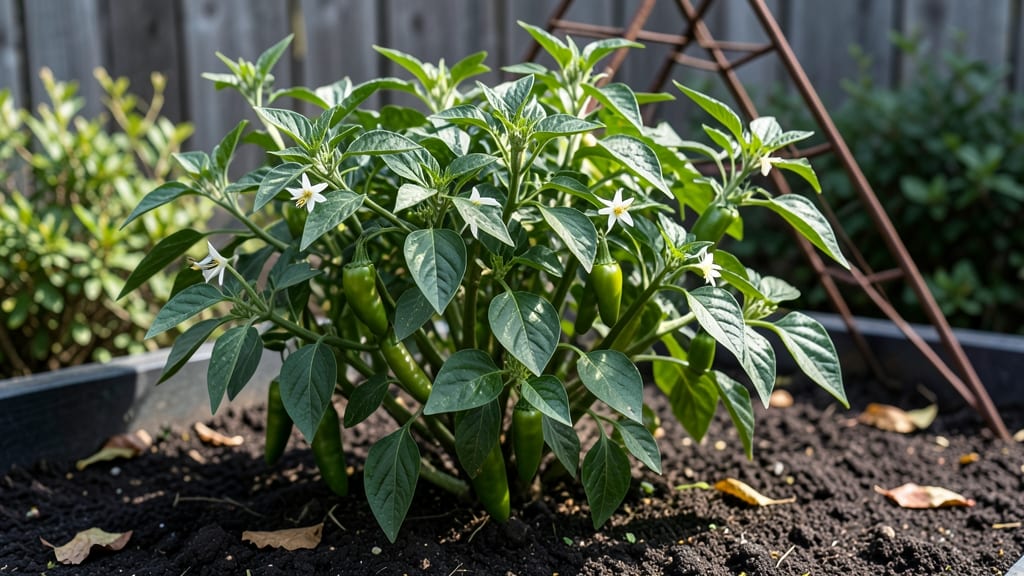
Growing Korean pepper plants (Zanthoxylum schinifolium) in tight spaces is easier than you think—these spicy shrubs thrive when trained vertically. 🌿 I’ve turned my balcony into a fragrant, spice-producing powerhouse by using simple trellises and pruning tricks that keep them compact while maximizing yield.
The key is sunlight, well-draining soil, and a little patience. Korean peppers love 6+ hours of sun daily and prefer slightly acidic, sandy soil. Start with 6-inch seedlings or cuttings, and plant them in containers with drainage holes—this prevents root rot and makes vertical training a breeze.
By summer, you’ll be harvesting bright red berries (the "peppers") that pack a citrusy kick, perfect for seasoning dishes. The plants grow 3-5 feet tall but can be pruned to stay under 2 feet when trained vertically, saving space without sacrificing flavor.
This method works for urban balconies, small patios, or even indoor windowsills with grow lights. Let’s get those vines climbing!
📚 In This Guide
- What you need
- Instructions
- Tips and common mistakes
- Wrapping up and next steps
What you need
- ● Korean pepper plant seeds or saplings: 1–3 (start with 1 for beginners; more for experimentation)
- ● Vertical growing structure: Wall-mounted pocket planter (10–15 pockets, 6" deep)
- ● OR a trellis (4–6 ft tall) with sturdy stakes
- ● OR a hanging basket (12–18" diameter) with a support rod
- ● Potting mix: 1–2 gallons of well-draining soil blend (60% peat moss, 30% perlite, 10% compost)
- ● Slow-release fertilizer: 1–2 tbsp (5–10–5 NPK ratio, organic preferred)
- ● Support ties: 3–5 soft plant ties or clips (for trellis methods)
- ● Pruning shears: 1 pair (for shaping and harvesting)
- ● Spray bottle: 1 (for misting seedlings)
- ○ Grow lights (optional): 1 LED bulb (12–14 hrs/day for indoor setups)
- ○ Mulch (optional): 1 cup of straw or wood chips (to retain moisture)
- ○ pH test kit (optional): 1 (ideal soil pH: 6.0–7.0)
Step-by-Step vertical growth guide for Korean pepper plants
Here’s how to coax those spicy, compact Korean peppers upward—no sprawling vines, just lush vertical growth.
🪴 Step 1: Select the Right Support System
Korean pepper plants need sturdy vertical support to thrive in tight spaces. I recommend 5-foot tall trellises or obelisk cages for each plant, as their vines can reach 6 feet if given the right encouragement. Use galvanized wire cages or bamboo stakes for a natural look—just ensure the structure can handle 10+ pounds of mature foliage.
Install supports immediately after transplanting to avoid disturbing roots later. Drive stakes 6 inches deep into the soil or secure cages firmly so they won’t topple when vines climb. If using a trellis, space plants 12 inches apart to prevent overcrowding as they grow toward the structure.
☀️ Step 2: Train Vines Early for Maximum Yield
Start guiding vines upward within 2 weeks of transplanting—this is when they’re most responsive. Use soft plant ties (not wire or plastic) to loosely secure the main stem to the support. I like to tie every 6 inches as the vine grows, ensuring gentle pressure but no constriction.
Watch for lateral shoots forming at leaf nodes—these are your future pepper producers. Once the main vine reaches 18 inches, pinch off the top growth to force energy into side branches. You’ll see new shoots emerge within 7-10 days, and these will bear the bulk of your peppers.
🌿 Step 3: Prune Strategically for Airflow and Light
Pruning isn’t just about shaping—it’s about light penetration and airflow, which Korean peppers crave. Remove suckers (shoots growing between the main stem and branches) weekly to prevent energy drain. Keep only 3-4 strong lateral branches per plant, cutting back weaker ones at the base with sterilized pruners.
Thin foliage 20% in early summer to improve sunlight exposure. You’ll know you’ve done it right when morning sunlight reaches the lower leaves—this prevents fungal issues and ensures even ripening. Avoid pruning after mid-August, as new growth won’t harden off before frost.
💧 Step 4: Water and Fertilize for Vertical Strength
Vertical growth demands consistent moisture—water deeply twice weekly during dry spells, aiming for 1-1.5 gallons per plant. Let the top 2 inches of soil dry between waterings to prevent root rot, but never let the plant wilt. Use a drip irrigation system or water at the base to avoid wetting leaves, which reduces disease risk.
Feed with a balanced 10-10-10 fertilizer every 4 weeks starting at transplant, then switch to a low-nitrogen, high-phosphorus formula (like 5-10-10) when flowers appear. This shift encourages fruit set over leafy growth. Stop fertilizing 6 weeks before first frost to let peppers mature.
✂️ Step 5: Harvest and Maintain Through the Season
Harvest peppers every 3-4 days to encourage continuous production. Use clean pruners to snip stems just above a leaf node—this prevents disease entry and stimulates new growth. Korean peppers change color as they ripen; green peppers are mild and crisp, while red or yellow varieties pack more heat and sweetness.
In late summer, reduce water slightly to concentrate flavors and harden off peppers for storage. If frost threatens, harvest all remaining peppers and let them ripen indoors on a sunny windowsill. With proper vertical training, you’ll get 30-50% more yield than from sprawling plants—plus, they’ll fit neatly in even the smallest garden corner.
Tips & tricks for perfect vertical Korean pepper plants
Transforming sprawling pepper vines into compact, high-yielding vertical plants takes a few key insights—here's what I've learned after years of trial and error in small-space gardens.
Support Stability: The 5-foot trellis or obelisk cages mentioned in Step 1 need to be anchored properly—especially in windy conditions. I drive two 6-inch stakes at opposite corners of each cage and connect them with a horizontal wire at the top. For trellises, bury the base posts at least 12 inches deep and use galvanized hardware to attach the crossbars. This prevents the entire structure from toppling when vines reach their full 6-foot height, which can happen surprisingly quickly with Korean pepper varieties.
Tying Technique: When securing vines to supports every 6 inches as described in Step 2, use what I call the "gentle spiral method." Instead of tying directly to the support, loop the plant tie around the vine first, then wrap it around the support. This creates a cushion that prevents the tie from cutting into the stem as it thickens. I've ruined three plants using wire ties that dug in—don't make my mistake! Also, adjust ties weekly as the vine grows thicker.
Pruning Precision: The 20% foliage thinning in early summer (Step 3) should target the largest leaves on the lower third of the plant. These leaves compete for sunlight with the fruit-bearing branches higher up. Look for leaves that are at least 6 inches wide—these are the ones causing shade competition. I prune these first, then work my way up the plant, always cutting at a 45-degree angle just above a leaf node to encourage new growth from that point. This creates a natural air channel through the plant that dramatically reduces humidity-related diseases.
Fertilizer Transition: The shift from 10-10-10 to 5-10-10 fertilizer when flowers appear (Step 4) is crucial for fruit development. I make this transition when I see the first flower buds appear, not when flowers are already open. The key is to reduce nitrogen gradually—don't stop cold turkey. Mix equal parts of the old and new fertilizer for two feedings before switching completely. This prevents the plant from producing more leaves at the expense of fruit set, which is exactly what happened to me my first year when I made the switch too abruptly.
Pro Tips for Korean Pepper Plant
- Transforming sprawling pepper vines into compact, high-yielding vertical plants takes a few key insights—here's what I've learned after years of trial and error in small-space gardens.
- Support Stability: The 5-foot trellis or obelisk cages mentioned in Step 1 need to be anchored properly—especially in windy conditions.
- Tying Technique: When securing vines to supports every 6 inches as described in Step 2, use what I call the "gentle spiral method."
Frequently asked questions
Got questions about growing Korean pepper plants in tight spaces?
Here are answers to the most common queries to help you cultivate these fiery beauties like a pro—even in small gardens!
How tall can Korean pepper plants grow in a vertical setup?
With proper support (like trellises or cages), Korean pepper plants can reach 3–5 feet tall vertically—ideal for compact gardens! Prune regularly to encourage bushier growth and prevent overcrowding. Pro tip: Use espalier training to guide vines along walls or fences for a space-saving harvest!
When is the best time to plant Korean pepper seeds indoors?
Start seeds 8–10 weeks before your last frost date (typically March–April in most U.S. zones). Use seed trays with well-draining soil and keep them in a warm spot (70–80°F). Transplant outdoors after soil warms to 60°F+—cold-sensitive peppers hate chilly surprises!
Can I grow Korean peppers in containers? What size do I need?
Use 5-gallon containers or larger (at least 12–18 inches deep) to accommodate roots. Add a balanced fertilizer every 4–6 weeks and ensure drainage holes are present. Bonus: Vertical planters save space and make harvesting easier!
Why are my Korean pepper plants turning yellow or dropping leaves?
Yellowing leaves often signal overwatering, nutrient deficiency, or pests. Check soil moisture (let top inch dry between waterings) and inspect for aphids or spider mites. Underwatering can also cause wilting—balance is key! Fix it: Adjust watering, add compost, and spray neem oil if pests appear.
Are there milder alternatives to Korean pepper if the heat is too intense?
Yes! Try ‘Korean Crystal’ (milder, 500–1,000 SHU) or ‘Armenian’ peppers (sweet when fresh, spicy when dried). For zero heat, opt for ‘Banana’ or ‘Sweet Banana’ peppers—they’re perfect for stuffing or snacking!
How do I maximize pepper production in limited space?
Prune aggressively to focus energy on fruit-bearing branches, and hand-pollinate flowers (gently shake plants) if bees are scarce. Use reflective mulch to boost warmth and fertilize with fish emulsion every 3 weeks. Pro move: Train vines upward early to save floor space!
Wrapping up and next steps
Growing a Korean pepper plant in a compact space is totally doable with the right techniques! Whether you’re maximizing vertical space or just love the spicy kick of chamul po, these hacks make it easy to cultivate a thriving plant—even in small gardens. 🌱
Now that you’re armed with the best materials and FAQs, it’s time to roll up your sleeves and get planting! Start with a single seedling, experiment with trellises or hanging pots, and watch your Korean pepper flourish. Happy growing—your future harvests (and spicy dishes!) will thank you. 🌶️✨