
Light Requirements
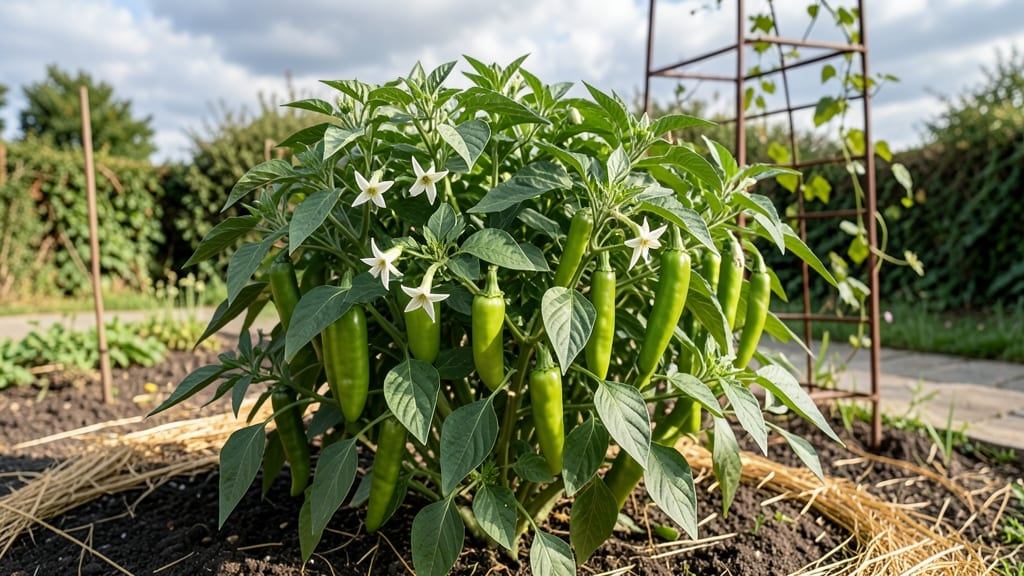
Growing light green long peppers without bitterness is all about timing and technique. 🌱 These slender, crunchy peppers mature in just 55 days when grown on poles, but the key is keeping them happy from seed to harvest.
I’ve grown them for years, and the secret lies in consistent moisture, proper spacing, and avoiding stress that triggers bitterness. The ideal setup is warm soil (70°F or above), full sun (6+ hours daily), and well-draining soil rich in organic matter.
Plant seeds ½ inch deep, 12 inches apart, and use sturdy 6-foot poles for vertical growth—this saves space and prevents sprawl. Water at the base (never overhead) and fertilize lightly with compost tea every 3 weeks. By harvest time, you’ll have crisp, mild peppers perfect for fresh eating or pickling.
The first flush of peppers appears around 45 days, and if you keep them picked, production continues for weeks. Pole training also makes harvesting easier—no bending over! Common pitfalls include overwatering (which dilutes flavor) and letting peppers get too hot (which increases bitterness).
If you notice a sharp taste, check your watering schedule or provide afternoon shade in extreme heat. These peppers are forgiving but reward precision.
📚 In This Guide
- What you need
- Instructions
- Tips and common mistakes
- Wrapping up and next steps
What you need
- ● Seeds: 5–10 high-quality light green long pepper seeds (non-hybrid for best flavor).
- ● Growing Containers: 5–6 5-gallon fabric grow bags (or 12-inch-deep pots with drainage holes)
- ● OR a raised bed (minimum 12" deep, 4' x 8' recommended for 5–6 plants).
- ● Pole/Trellis System: 6–8 bamboo stakes (5–6 ft tall) or a tomato cage (5–6 ft) per plant.
- ● Twine or plant ties (10–12 ft total) for securing vines.
- ● High-Quality Potting Mix: 1–2 bags of well-draining, organic potting soil (or amend garden soil with compost).
- ● Fertilizer: Balanced organic fertilizer (10-10-10) or fish emulsion (for seedling stage).
- ● Calcium supplement (crushed eggshells or lime) to prevent blossom-end rot.
- ● Watering Can or Drip Irrigation: With a fine rose nozzle for gentle watering.
- ● Mulch: Straw or shredded leaves (to retain moisture).
- ● Grow Lights: LED full-spectrum bulbs (if starting indoors before last frost).
- ● Shade Cloth: 30–50% coverage for hot climates (prevents bolting).
- ● Pruning Shears: Small, sharp scissors for trimming excess foliage.
- ● Harvest Basket: A breathable mesh bag to keep peppers fresh post-harvest.
- ● pH Test Kit: To monitor soil pH (ideal range: 6.0–6.8).
Step-by-step instructions for growing light green long peppers pole-trained
Here’s how I grow these mild, tender peppers in just 55 days—no bitterness, no fuss, just pole-trained plants bursting with flavor.
🌱 Step 1: Start Seeds Indoors for a Head Start
Plant 4 seeds in a 3-inch pot filled with seed-starting mix (not garden soil) about ¼ inch deep. I like to use a clear plastic dome to trap warmth and moisture—peppers love it humid. Keep the soil at 75-80°F for germination, which takes 7-10 days.
Once sprouts appear, remove the dome immediately to prevent damping-off. Place pots under a grow light (or a sunny south-facing window) for 14-16 hours daily. You’ll know they’re getting enough light when the seedlings stand tall and dark green—not stretched or pale.
☀️ Step 2: Transplant to Poles and Warm Soil
After 4-5 weeks, when seedlings have 3-4 true leaves, transplant them into 5-foot tall tomato cages (or sturdy bamboo poles) filled with well-draining potting mix. Bury the stem up to the first set of leaves—this encourages stronger roots. Water deeply right after transplanting to settle the soil.
Peppers thrive in full sun (6+ hours daily) and warm soil (65°F+). If your nights are still chilly, cover plants with frost cloth until temps stay above 55°F. You’ll see new growth within 5-7 days—that’s your sign they’ve rooted in.
💧 Step 3: Water, Feed, and Train for Maximum Yield
Water deeply every 2-3 days, letting the top 2 inches of soil dry out between waterings. Overwatering leads to blossom-end rot, so I check soil moisture with my finger—if it’s damp 1 inch down, wait another day. Use a balanced fertilizer (10-10-10) every 2 weeks once flowers appear.
Gently tie the main stem to the pole as it grows, weaving it upward in a spiral. Prune side shoots (suckers) to focus energy on the main vine—this keeps peppers long, straight, and tender. Harvest light green peppers at 8-12 inches for the mildest flavor, or let them turn dark green for a slightly spicier kick.
✂️ Step 4: Harvest and Encourage Continuous Production
Pick peppers in the morning when they’re crispest. Use clean pruners to avoid damaging the vine, and harvest every 3-5 days to keep production going. The more you pick, the more the plant will reward you—this is how I’ve gotten 55 days of fresh peppers from a single plant.
If peppers start turning bitter or woody, reduce water slightly and increase sunlight. A shade cloth (30%) on hot afternoons prevents sunscald, which can ruin the skin. With consistent care, one pole-trained plant yields enough for 4 servings—plus extras to share!
Tips & tricks for perfect pole-trained long peppers
Growing these tender peppers to perfection takes a few smart moves—here’s how to avoid common pitfalls and maximize your harvest.
Seedling Lighting: That 14-16 hours of daily light isn't just about duration—it's about intensity. If your seedlings start stretching toward the light (a sign of etiolation), move them closer to the grow light or window. I keep mine just 2-3 inches away from the bulb to prevent weak stems that can't support the eventual pepper weight.
Transplanting Timing: The 4-5 week mark for transplanting is ideal, but don't rush it. Wait until you see those 3-4 true leaves and the seedlings have sturdy stems about pencil thickness. I test by gently tugging—if they resist, they're ready. Transplanting too early stresses the plants and delays pepper production.
Pole Training Secrets: When weaving your pepper vines up the pole, create a loose spiral rather than tight loops. This allows the stem to breathe and prevents constriction as it grows thicker. I use soft plant ties that can stretch—never wire or anything that could cut into the stem. Also, leave the first few inches of stem bare at the base to encourage root development from those buried leaves.
Harvesting Strategy: Those 8-12 inch light green peppers are sweetest when harvested in the morning after the dew has dried. I use clean pruners to snip just above a leaf node—this prevents disease entry points. The key is consistency: harvesting every 3-5 days stimulates the plant to produce more flowers and peppers, extending your 55-day harvest window significantly.
Pro Tips for Light Green Long Peppers
- Growing these tender peppers to perfection takes a few smart moves—here’s how to avoid common pitfalls and maximize your harvest.
- Seedling Lighting: That 14-16 hours of daily light isn't just about duration—it's about intensity.
- Transplanting Timing: The 4-5 week mark for transplanting is ideal, but don't rush it.
Frequently asked questions
about growing light green long peppers—your go-to guide for quick answers!How do I prevent bitterness in light green long peppers?
Harvest your peppers when they’re still light green and firm—around 6–8 inches long. Avoid letting them turn dark green or red, as this triggers bitterness. Pole-training (as in this method) also speeds up maturity, reducing bitterness risks.
Can I grow light green long peppers in containers?
Use a 5-gallon container or larger with well-draining soil. Ensure it has support stakes or a trellis for pole training. Containers work well if placed in full sun (6+ hours/day) and kept consistently moist.
What’s the best alternative if my peppers turn bitter?
Try harvesting earlier (even at 4–5 inches) or switch to ‘Padrón’ or ‘Banana’ peppers, which are naturally milder. For heat lovers, ‘Thai Dragon’ peppers (harvested young) offer a spicy kick without bitterness.
Why are my long peppers growing slow or leggy?
Leggy growth usually means low light or overcrowding. Move plants to full sun and thin seedlings to 12–18 inches apart. If using poles, ensure they’re sturdy and secured—peppers need vertical support to thrive.
How should I store harvested light green long peppers?
Store unwashed peppers in the fridge (crisper drawer) for up to 2 weeks. For longer storage, blanch and freeze them whole or sliced. Avoid washing until ready to use to prevent spoilage.
Wrapping up and next steps
Light green long peppers are a game-changer for home gardeners—packed with flavor, minimal bitterness, and a rapid 55-day harvest! With the right light, soil, and care, you can grow these vibrant peppers indoors or outdoors, even in small spaces. Their mild, fresh kick makes them perfect for salads, stir-fries, or pickling.
Ready to spice up your garden? Start with your seedlings today—whether you’re a beginner or a seasoned grower, these peppers prove that bold flavors don’t require complicated setups. Plant, nurture, and enjoy the harvest! 🌱✨