
Picking
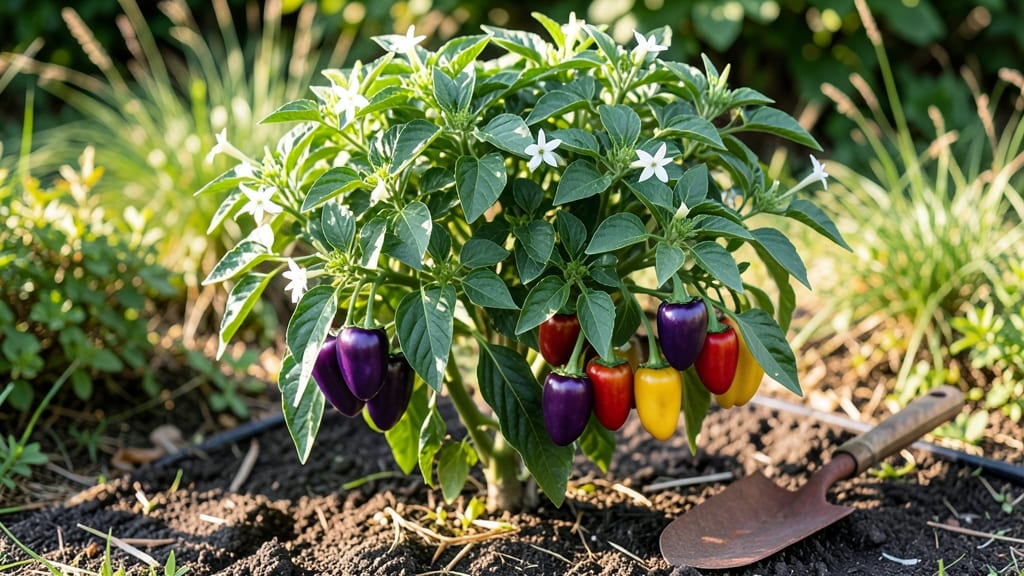
Ornamental peppers bring year-round color drama to gardens, balconies, and patios—think deep purples, fiery reds, sunny yellows, and even chocolate-brown pods that glow like embers. 🌿 I’ve used them to turn dull winter beds into eye-catching focal points, and they’re just as stunning in containers or hanging baskets.
Their glossy, waxy skins catch the light, making them the perfect pop of color when other plants fade.
The key to their magic is contrast. Pair purple orbs with silver foliage for a moody, cottage-garden vibe, or mix red and yellow peppers with deep green hostas for a bold, modern look.
In tropical-themed spaces, their vibrant hues mimic exotic fruits, while in cottage gardens, they add whimsy to flower arrangements. Even dried, they hold their color and texture, perfect for winter wreaths or table centerpieces.
You’ll love how they elevate any design—whether you’re dressing up a balcony planter, framing a doorway, or adding height to a mixed border. Their long-lasting color means you get months of visual interest with minimal effort. Plus, they’re deer-resistant, so you won’t have to worry about them disappearing overnight.
For extra impact, try grouping peppers by color family—all purples together, all reds in a cluster—and add trailing plants like sweet potato vine or ferns to soften the edges. The possibilities are endless, and the results? Pure garden drama, season after season.
📚 In This Guide
- What you need
- Instructions
- Tips and common mistakes
- Wrapping up and next steps
What you need
- ● Ornamental pepper seeds or seedlings: Choose varieties with striking colors like ‘Black Pearl,’ ‘Jester,’ or ‘Purple Flash’ (3–5 plants for a vibrant display).
- ● Well-draining potting mix: A high-quality blend (e.g., Miracle-Gro Potting Mix) or a mix of 50% peat moss, 30% perlite, and 20% compost (1–2 bags, ~10–15 lbs total).
- ● Containers or garden beds: Containers: 5–7" deep pots with drainage holes (1–2 per plant).
- ● Garden beds: Full sun (6+ hours/day) with fertile, slightly acidic soil (pH 5.8–6.5).
- ● Fertilizer: Balanced, water-soluble fertilizer (e.g., 10-10-10) or organic options like fish emulsion (follow package rates).
- ● Mulch: Organic mulch (e.g., straw or shredded leaves) to retain moisture and suppress weeds.
- ● Basic gardening tools: Trowel, pruners, and gloves (for handling plants and soil).
- ● Watering can or hose: With a gentle spray nozzle for even moisture.
- ● Sunlight access: Confirm your space gets full sun (ornamental peppers thrive in warmth!).
- ○ Optional (but helpful!) extras: Grow lights for indoor starts or extending the season.
- ● Cage or stakes for support (if growing tall varieties).
- ● Soil pH test kit to ensure optimal growing conditions.
How to cultivate ornamental peppers for stunning year-round color
Here's how to grow these showstopping plants that bring bold hues from summer through winter.
🌱 Step 1: Select and Start Seeds Indoors
Choose varieties like 'Black Pearl', 'Lunchbox Red', or 'Jester Yellow' for their dramatic foliage and fruit. Start seeds 8-10 weeks before your last frost date in well-draining seed-starting mix—these peppers hate soggy roots. Fill small pots (2-3 inches deep) and plant seeds ¼ inch deep, two per pot for insurance.
Keep the soil consistently moist but not wet—ornamental peppers germinate best at 75-85°F. Place pots in a humidity dome or cover with plastic wrap until sprouts appear, which usually takes 7-14 days. Once seedlings emerge, remove the cover immediately to prevent damping-off disease.
☀️ Step 2: Provide Bright Light and Warmth
Ornamental peppers need 6-8 hours of direct light daily to prevent leggy growth. A south-facing window works, but supplement with a grow light if natural light is weak. Position lights 2-4 inches above seedlings and raise them as plants grow to maintain that distance.
Keep temperatures between 65-75°F during the day and 60-65°F at night. You'll notice strong seedlings with thick stems and deep green leaves—these are ready for transplanting after 4-6 weeks when they develop their first true leaves.
🪴 Step 3: Transplant Outdoors After Warmth Arrives
Wait until nighttime temperatures stay above 55°F—ornamental peppers are frost-sensitive and will bolt or die if exposed to cold. Choose a location with full sun and well-draining soil. Space plants 18-24 inches apart to allow airflow and prevent disease.
Water deeply at transplanting to settle the soil around roots, then water again in 2-3 days when the top inch of soil feels dry. Mulch with 2-3 inches of organic mulch to retain moisture and regulate soil temperature. You'll see new growth within a week if conditions are right.
💧 Step 4: Maintain Consistent Care for Bold Foliage
Water at the base of plants in the morning to keep foliage dry and prevent fungal issues. Ornamental peppers need 1-1.5 inches of water weekly, but adjust based on rainfall—too much water dilutes their vibrant colors. Fertilize every 4-6 weeks with a balanced, water-soluble fertilizer to encourage lush growth.
Pinch back leggy stems to encourage bushier growth and more colorful foliage. Deadhead spent flowers to redirect energy into foliage production rather than fruit. You'll notice the most intense colors when plants receive full sun and regular care.
✂️ Step 5: Extend the Season with Cold Protection
As temperatures drop below 50°F at night, move potted ornamental peppers to a sheltered location or bring them indoors. Place them near a sunny window or under grow lights to maintain their vibrant colors. Reduce watering slightly in fall to prepare plants for dormancy.
In colder climates, overwinter plants in a garage or basement with 50-60°F temperatures and minimal light. Resume regular care in spring when you're ready to replant outdoors. With proper care, these peppers will reward you with year-round drama in your garden.
Tips & tricks for stunning ornamental pepper colors
Here's what I learned after growing these showstoppers for years—small details that make all the difference with your vibrant pepper plants.
Lighting is Everything: Those 6-8 hours of direct light in Step 2 are non-negotiable for maintaining bold colors. If your south-facing window isn't enough, invest in a basic LED grow light—even a 12-inch model will work. I've seen plants go from dull green to fiery red in just 3 days when I added proper lighting. Position lights 2-4 inches above seedlings and adjust as they grow, always keeping them close enough to prevent leggy stems.
Temperature Matters More Than You Think: The 75-85°F germination range in Step 1 isn't just about speed—it's about color intensity. Cooler temps (below 70°F) will produce less vibrant foliage. Use a seedling heat mat if your home runs cool, especially in spring when nights drop suddenly. After transplanting, maintain daytime temps between 65-75°F to preserve those dramatic hues—even a 5°F drop can mute the colors noticeably.
Watering Wisdom: The 1-1.5 inches weekly in Step 4 is a guideline, but timing matters more. Always water at the base in the morning to let foliage dry completely—wet leaves in evening light invite fungal problems. I've noticed that consistent morning watering actually intensifies the colors over time, while sporadic watering leads to washed-out foliage. And here's the secret: if your mulch stays damp for more than 2 days, you're overwatering.
Pruning for Intensity: When you pinch back leggy stems in Step 4, focus on removing the top set of leaves where new growth emerges. This forces energy into the remaining foliage, making colors pop. I start pruning when plants hit 6-8 inches tall, and continue every 2-3 weeks through summer. The key is to always leave at least 2-3 leaves at each node—this maintains the plant's energy balance while maximizing color production.
Pro Tips for Ornamental Pepper Colors
- Here's what I learned after growing these showstoppers for years—small details that make all the difference with your vibrant pepper plants.
- Lighting is Everything: Those 6-8 hours of direct light in Step 2 are non-negotiable for maintaining bold colors.
- Temperature Matters More Than You Think: The 75-85°F germination range in Step 1 isn't just about speed—it's about color intensity.
Frequently asked questions
Got questions about growing and styling ornamental peppers with stunning colors?
Here are the answers to the most common ones—so you can keep your garden popping year-round!
What’s the best time to harvest ornamental peppers for peak color?
Harvest when the peppers reach their full, vibrant color—usually 6–8 months after planting. Wait until they’re firm but still slightly soft to the touch. Overripe peppers may lose their bright hues or turn dull. For long-lasting display, pick in the morning when colors are most intense!
Can I change the color of my ornamental peppers naturally?
Nope! Ornamental pepper colors are genetic—you can’t alter them after planting. However, you can preserve their vibrancy by ensuring they get 6+ hours of sunlight daily and avoiding overwatering (which can dull colors). For extra drama, try pruning to encourage bushier growth with more colorful peppers!
How do I overwinter ornamental peppers indoors to keep their colors?
Move potted peppers indoors before the first frost (temperatures below 40°F/4°C). Place them near a south-facing window or under grow lights (12–14 hours/day). Reduce watering slightly and fertilize lightly every 6–8 weeks. With proper care, they’ll retain their colors and even produce new peppers!
Are there ornamental pepper varieties that stay colorful longer?
Yes! Some varieties are naturally long-lasting, like:
- ‘Jester Mix’ – Holds bright colors for months
- ‘Fiery Fritillary’ – Deep reds and oranges that fade slowly
- ‘Black Pearl’ – Starts purple-black and matures to deep red
Why are my ornamental peppers losing color or turning dull?
Dull colors often signal stress. Check for:
- Underwatering – Soil should stay evenly moist (not soggy).
- Overcrowding – Peppers need 12–18 inches of space to thrive.
- Nutrient deficiency – Feed with a balanced fertilizer (10-10-10) every 4–6 weeks.
- Pests – Spider mites or aphids can stress plants. Spray with neem oil if needed.
Wrapping up and next steps
Ornamental peppers aren’t just a seasonal splash of color—they’re year-round stars that bring joy, texture, and drama to your garden (or kitchen!). From fiery reds to deep purples, each hue tells a story, and with the right care, they’ll reward you with bold, edible beauty time and again. 🌿
Ready to level up your garden game? Start small—pick a few varieties, experiment with containers, or gift a plant to a fellow green thumb. The key is to play, learn, and enjoy the process. Happy planting!