
Picking
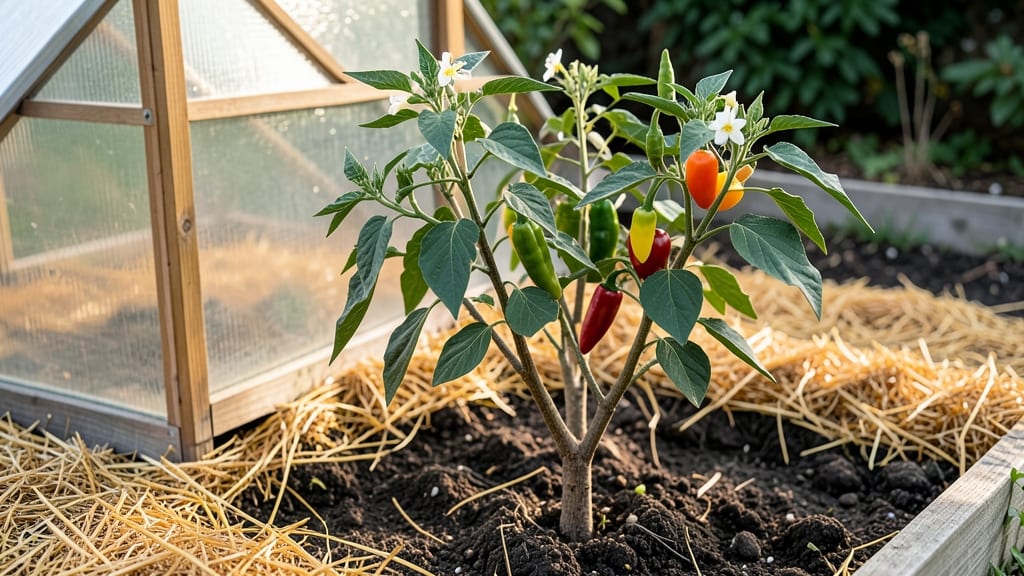
Overwintering chilli peppers lets you keep harvesting fiery flavors through winter—no greenhouse needed. 🌱 I’ve saved my plants for years using just a sunny window and a few simple tricks, and the payoff is fresh peppers in February when grocery store shelves are bare.
The secret starts with choosing cold-hardy varieties like ‘Arpad F1’ or ‘NuMex Sandia’—they handle cooler temps better than most. Then, bring them indoors before 40°F hits, prune back 1/3 of the plant, and place them near the brightest window (south-facing is best).
A grow light helps if natural light fades below 12 hours a day. You’ll see new growth within weeks, and with consistent care—watering when the top inch of soil dries—your plants stay productive for months.
The first peppers might be smaller, but they pack just as much heat as summer’s harvest. This works for mild winters too: just extend the outdoor season with row covers or cold frames. Here’s how to keep them thriving all year.
📚 In This Guide
- What you need
- Instructions
- Tips and common mistakes
- Wrapping up and next steps
What you need
- ● Cold-hardy chilli pepper varieties: 3–5 plants (e.g., Capsicum annuum ‘Carolina Reaper’, ‘Jalapeño’, or ‘Hungarian Wax’—choose varieties rated for Zone 5 or lower).
- ● Containers: 5–10 gallon pots (one per plant) with drainage holes, or a raised bed if overwintering outdoors.
- ● Potting mix: 1–2 bags of high-quality, well-draining soil (add perlite or vermiculite for aeration).
- ○ Grow lights or LED bulbs: Full-spectrum, 12–16 hours/day (optional but critical for indoor overwintering).
- ● Heat mat or greenhouse: For sub-Zone 5 climates (maintain soil temps above 55°F/13°C).
- ● Mulch: Straw or shredded leaves (2–3 inches) to insulate outdoor plants.
- ● Fertilizer: Balanced, low-nitrogen fertilizer (e.g., 5-5-5) or compost tea (apply every 4–6 weeks).
- ● Humidity tray or pebble tray to boost moisture in dry indoor air.
- ● Thermometer/hygrometer to monitor temperature and humidity.
- ● Pruning shears for trimming leggy growth (sterilize with rubbing alcohol!).
- ● Insecticidal soap or neem oil to combat pests like spider mites.
- ● Cold frame or mini greenhouse for outdoor overwintering in marginal climates.
How to overwinter chilli peppers successfully
Here’s the method I’ve used to keep my chilli plants alive through winter—no greenhouse needed.
🪴 Step 1: Select Cold-Hardy Varieties
Not all chillies survive winter, so focus on varieties bred for cold tolerance like ‘Arctic Flame’, ‘Jalapeño M’, or ‘Hungarian Wax’. These can handle temperatures down to 25°F once established. Avoid heat-loving types like habaneros—they’ll bolt or die in cooler conditions.
I always check the seed packet for cold-hardiness ratings. If it’s not listed, assume it’s not winter-friendly. Start with 4-6 plants to account for potential losses—some chillies simply won’t make it through the season.
☀️ Step 2: Prepare for Dormancy in Fall
When nighttime temperatures drop below 50°F, your chillies will slow growth. Stop fertilizing 4-6 weeks before the first frost to let them focus on root strength, not foliage. Water deeply but reduce frequency—soil should dry 1 inch down between waterings.
Prune back leggy stems by one-third to reduce stress. Remove all fruit—overwintering plants need to conserve energy. I use clean, sharp scissors to cut just above a leaf node, which encourages bushier regrowth in spring.
🌱 Step 3: Move Indoors Before Frost
Bring pots inside before the first frost hits. Choose a bright spot near a south-facing window or under grow lights for 12-14 hours daily. A sunny windowsill works, but chillies often stretch toward light—rotate pots weekly to keep growth even.
Check for pests like spider mites or aphids before bringing them inside. Quarantine new plants for 7-10 days to prevent infestations. If you see webbing or sticky residue, treat immediately with neem oil—once indoors, pests spread fast.
⏰ Step 4: Maintain Dormancy Conditions
Keep temperatures between 50-60°F—warmer rooms cause premature sprouting. Reduce watering to once every 2-3 weeks, letting the top 2 inches of soil dry out completely. Overwatering in dormancy rots roots before spring.
I place a humidity tray nearby to prevent dry air from stressing leaves. Watch for yellowing—it’s normal in dormancy, but blackened stems mean rot. If you see mold on soil, repot into fresh, dry mix immediately.
🌿 Step 5: Revive in Early Spring
When daytime temperatures rise above 60°F, resume normal watering and fertilize lightly with a balanced 10-10-10 mix. Prune again to remove dead growth, then pinch back new shoots to encourage bushier plants.
Hardening off begins 2 weeks before last frost: move pots outside for 1-2 hours daily, gradually increasing time. You’ll see new leaves emerge within 7-10 days—that’s your signal to transplant outdoors after all danger of frost has passed.
Tips & tricks for overwintering chili peppers
Between us, overwintering chili plants is all about timing and patience—here’s how to avoid the rookie mistakes that kill plants.
Variety Matters: The cold-hardy varieties like ‘Arctic Flame’ and ‘Jalapeño M’ can handle the 25°F minimum, but don’t assume all chillies are equal. If you’re unsure about a variety’s hardiness, err on the side of caution and treat it like a tropical plant. I’ve seen even labeled “cold-hardy” plants fail when they’re not fully established—so give them time to root before winter hits.
Pruning Precision: When you’re pruning back those leggy stems by one-third in Step 2, focus on removing the longest, most vertical growth. Cut just above a leaf node to encourage bushier regrowth in spring. I’ve ruined plants by cutting too close to the base—always leave a few inches of stem to prevent damage to the main plant structure.
Lighting Strategy: That 12-14 hours of light in Step 3 is non-negotiable for indoor survival. If your windowsill isn’t enough, invest in a basic LED grow light. I’ve seen plants stretch dramatically toward light, becoming weak and spindly—rotate your pots weekly to prevent this. Even a few hours of uneven light can throw off their growth pattern.
Dormancy Watch: During the 50-60°F dormancy phase, keep a close eye on those stems. Normal yellowing is fine, but if you see blackened or mushy spots, it’s a sign of rot from overwatering. I’ve had to repot plants mid-winter because I ignored this warning—don’t make the same mistake. A humidity tray helps, but don’t let it turn into a swamp.
Pro Tips for Overwintering Chilli Peppers
- Between us, overwintering chili plants is all about timing and patience—here’s how to avoid the rookie mistakes that kill plants.
- Variety Matters: The cold-hardy varieties like ‘Arctic Flame’ and ‘Jalapeño M’ can handle the 25°F minimum, but don’t assume all chillies are equal.
- Pruning Precision: When you’re pruning back those leggy stems by one-third in Step 2, focus on removing the longest, most vertical growth.
Frequently asked questions
about overwintering chilli peppers—because even the toughest gardeners need a little guidance! Here are answers to the most common queries to help you keep your peppers thriving through winter.What’s the best time to start overwintering chilli peppers?
Begin 8–12 weeks before your first frost (typically late summer to early fall). This gives peppers time to mature, stop producing, and enter dormancy before cold sets in. If you’re in a mild climate, you can wait until temperatures drop below 50°F (10°C)—but act sooner in colder zones!
Can I overwinter chilli peppers in pots, or do they need to be in the ground?
Both work! Potted peppers are easier to move indoors or to a greenhouse, while in-ground plants may survive in frost-free microclimates (like near south-facing walls). If using pots, ensure they’re at least 12 inches deep with drainage holes. Mulch heavily for ground plants to insulate roots.
What if my chilli peppers get frost damage before I can bring them inside?
Don’t panic! Light frost (28–32°F / -2 to 0°C) may blacken leaves, but the plant often recovers. Severe frost (<28°F / -2°C) can kill the plant—act fast by covering with frost cloth or blankets and moving indoors ASAP. Trim damaged foliage once thawed to redirect energy.
Are there chilli pepper varieties that overwinter better than others?
Yes! Cold-hardy varieties like ‘Apache,’ ‘NuMex Sandia,’ or ‘Jalapeño M’ handle cooler temps better. Avoid tropical types (e.g., Habanero)—they’re frost-sensitive. Look for perennial peppers labeled for your hardiness zone (e.g., Zone 5–8).
What’s the easiest way to overwinter chilli peppers indoors?
Place pots in a bright, cool spot (60–70°F / 15–21°C) like a sunroom or under grow lights (12–14 hours/day). Reduce watering—let soil dry slightly between waterings to prevent rot. Avoid heaters or drafts, and prune leggy growth to encourage bushiness.
Can I save seeds from overwintered peppers for next year?
Harvest fully ripe, healthy peppers in fall, scoop out seeds, and dry them on a paper towel for 1–2 weeks. Store in a cool, dark, dry place (like a seed envelope) until spring. Pro tip: Label varieties to avoid mix-ups!
Wrapping up and next steps
Overwintering chilli peppers is totally doable with the right cold-hardy varieties and a little planning! Whether you’re protecting tender plants from frost or extending your harvest season, these tips will help you keep your peppers thriving—even when the weather turns chilly. 🌱
Now that you’re armed with knowledge, why not take the next step? Start by selecting a resilient variety like ‘Apache’ or ‘NuMex Sandia’ and give overwintering a try. Your future self (and taste buds!) will thank you for the fresh, homegrown heat year-round. Happy growing! 🌶️✨