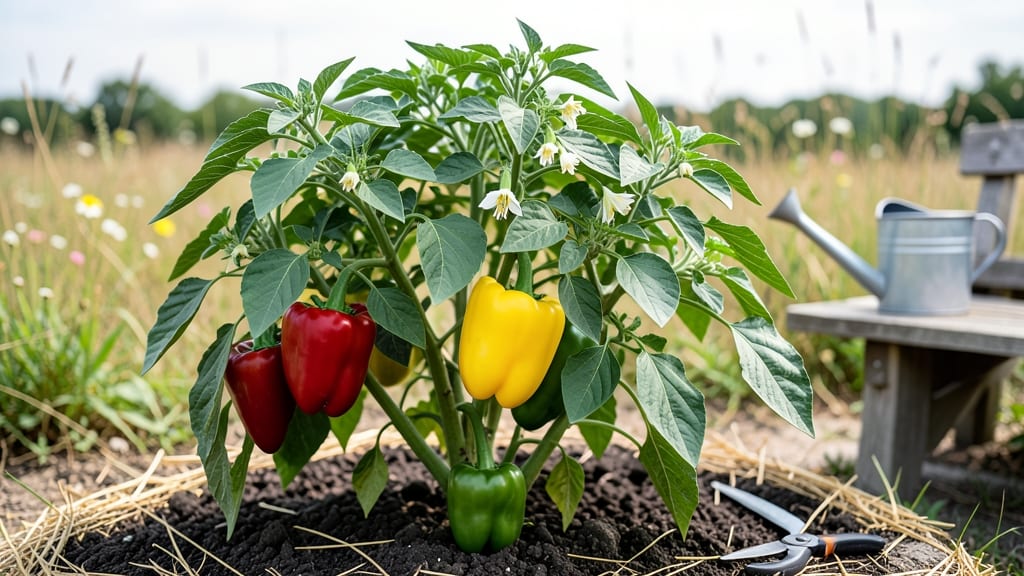
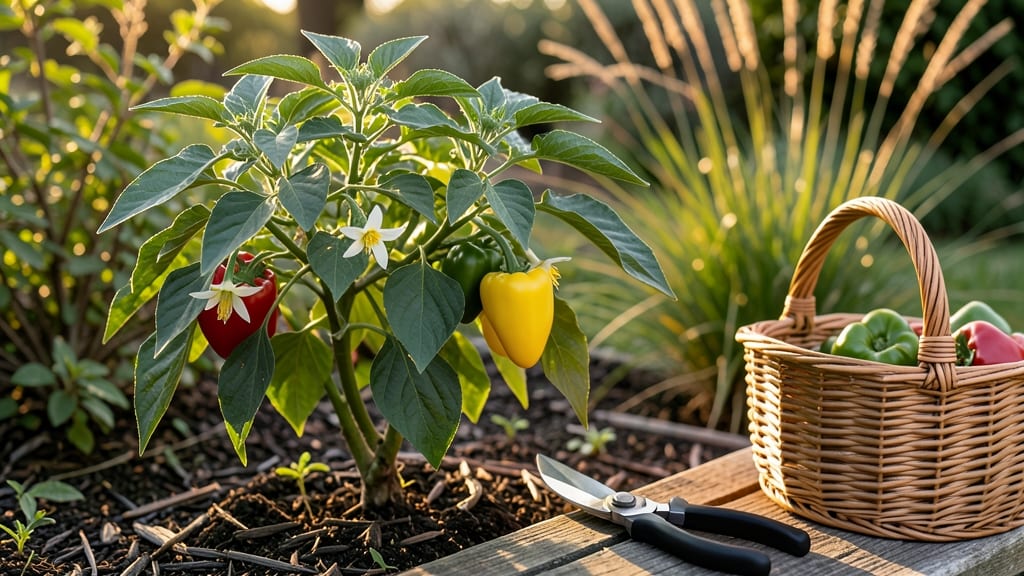
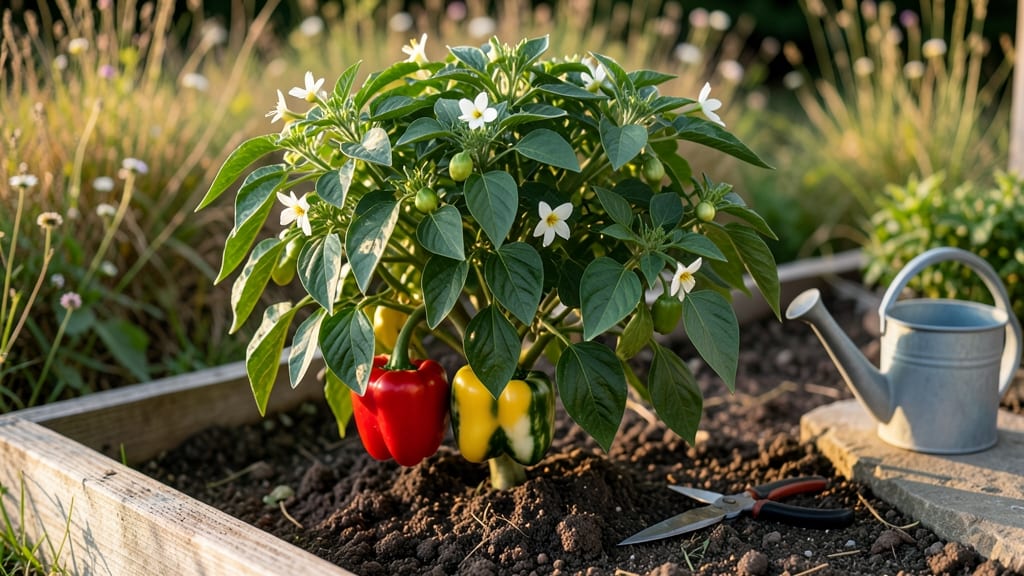
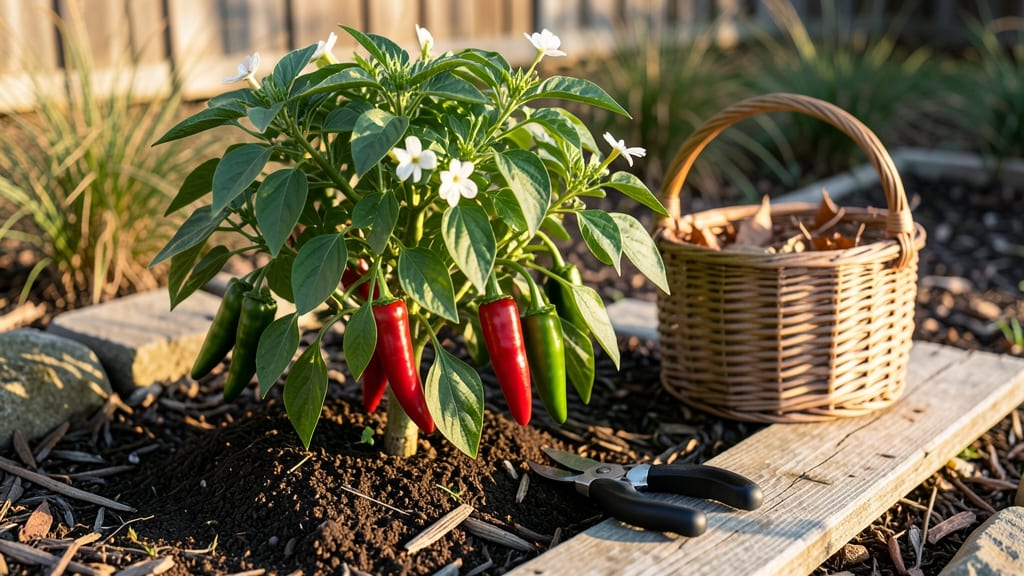
A pepper plant grows anywhere from 1 to 4 feet tall, depending on the variety and how you care for it—so your garden layout depends more on this than you might think. Picture this: You’ve cleared a sunny patch in your…
To harvest peppers at their peak flavor and spiciness, timing and technique matter more than you might think—especially when you’re staring at a bush full of 🌶️ that could be perfect or past its prime. One wrong move…
💥 Quick Answer Virginia pepperweed's uses include edible young shoots and leaves (prepared like spinach), respiratory health support from its medicinal compounds, and natural pest-repellent qualities—but it must be…
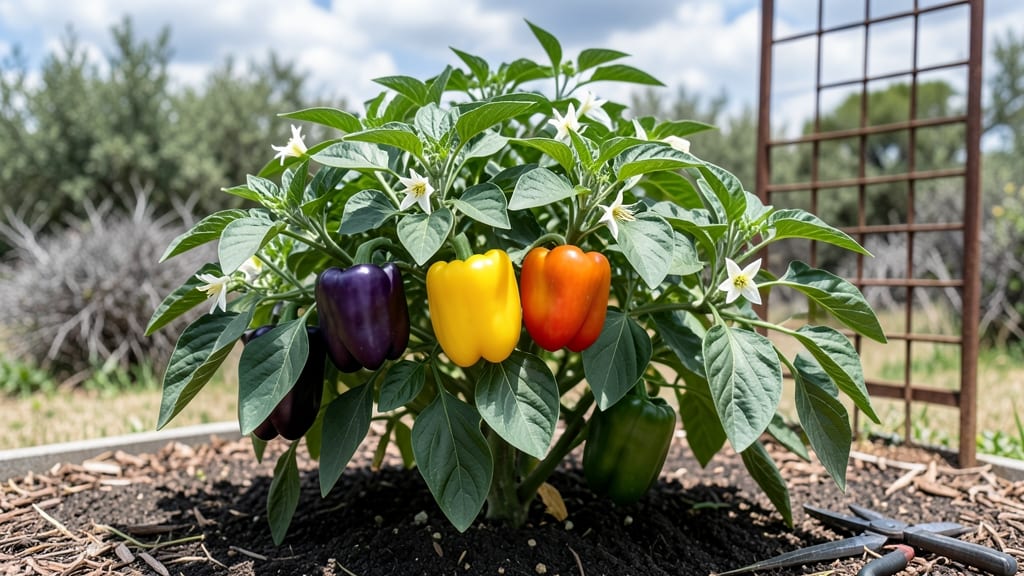
💥 Quick Answer The 5 color pepper plant produces a stunning mix of red, yellow, orange, green, and purple peppers, each with unique flavor profiles—from sweet to mildly spicy—while maintaining the same care requirements…
There are red jalapeño peppers, and they’re just fully ripe versions of the classic green ones—here’s why they turn vibrant red! They retain the same heat level (2,500–8,000 SHU) but develop a sweeter, fruitier flavor as…
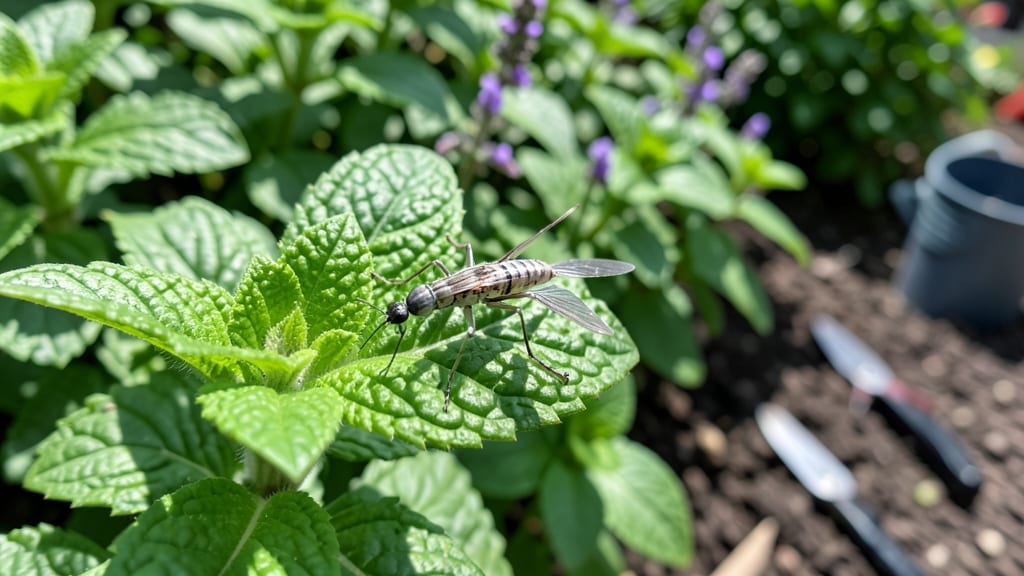
💥 Quick Answer Peppermint plants do repel mosquitoes by emitting menthol and other volatile oils that confuse their scent receptors, but effectiveness depends on species and environmental factors like wind and humidity…
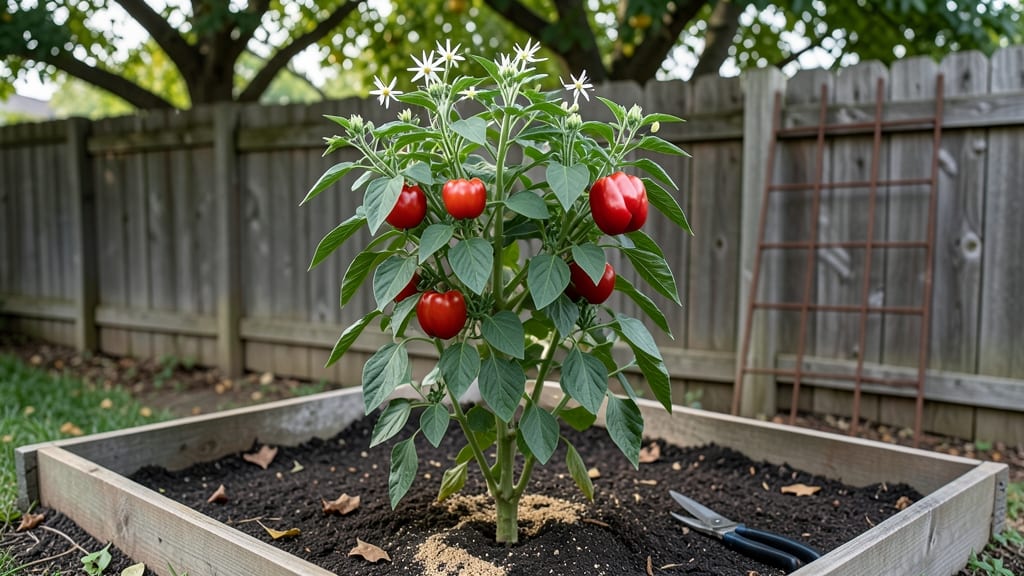
The secret to growing red bell peppers that actually ripen lies in treating them like vining plants from day one. 🌱 I’ve grown dozens of varieties, but red bells demand consistent warmth, vertical support, and precise…
I grew up with a garden behind my house in rural Ohio, where my dad taught me that the best meals start with something you’ve grown yourself. Over the years, I’ve filled my greenhouse with peppers of every color and heat level, learning the quirks of each variety along the way.
This site is where I share those lessons—whether it’s troubleshooting a wilting plant or celebrating a harvest—so you can grow with confidence, just like I did.