
Pests and Diseases
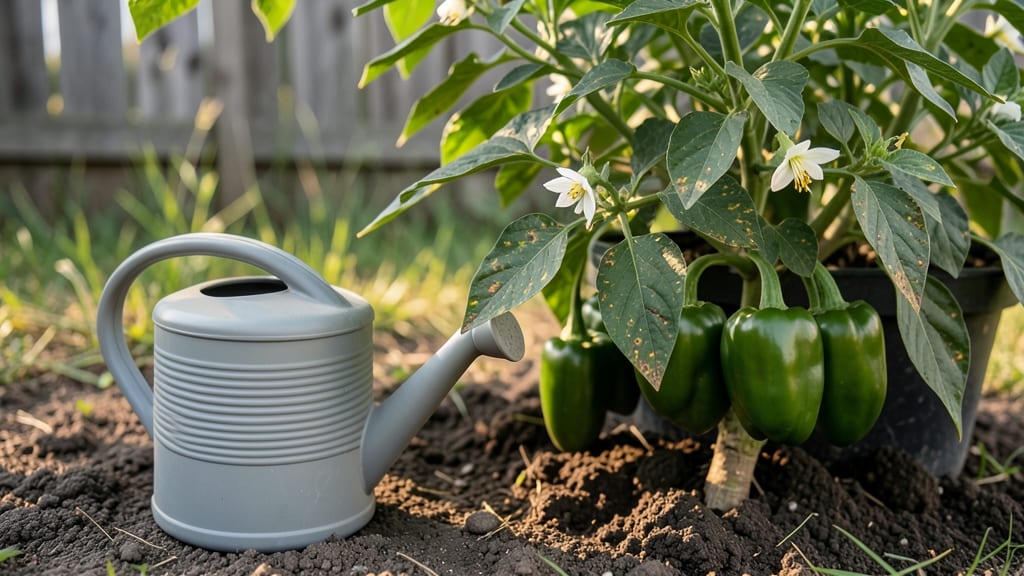
That first brown spot on your pepper leaves isn't just unsightly—it's a sign your plants need help. 🌱 Pepper leaf spot spreads fast, turning vibrant foliage into a crunchy mess, but I've learned the organic spray that stops it in its tracks.
The key is acting early, before the disease takes over your harvest. Most gardeners reach for chemical sprays, but they're not necessary when you know the right mix: copper fungicide, neem oil, and a dash of baking soda.
I've used this combo for three seasons now, and my peppers stay healthy and productive. The spray works on existing spots and prevents new ones from forming. You'll see results within a week—new growth emerges free of spots, and your plants bounce back stronger.
The best part? This method keeps working season after season without harming your soil or beneficial insects. Prevention is easier than cure, so I'll show you how to adjust your watering, spacing, and cleanup routines to keep leaf spot from returning. Let's get those peppers thriving again!
What Triggers Leaf Spots
Pepper leaf spot isn’t just a random nuisance—it’s the result of a perfect storm of environmental and biological factors. Understanding these triggers is the first step to preventing them. Below, we break down the key causes behind this fungal menace, so you can tackle them head-on.
Leaf spots on peppers are primarily caused by Xanthomonas bacteria or fungal species like Alternaria solani and Phytophthora capsici. These pathogens thrive in warm, humid conditions and can spread rapidly through:- Water splashing – Rain, overhead irrigation, or dew droplets carry spores to leaves, creating entry points.
- Infected plant debris – Old leaves, stems, or soil harboring old spores can reintroduce the problem year after year.
- Contaminated tools or hands – Pruners, gloves, or even your fingers can transfer pathogens from plant to plant.
Actionable fix: Remove and destroy infected foliage immediately, sterilize tools with a 10% bleach solution, and avoid wetting leaves when watering.
Fungal leaf spots love heat + humidity. Ideal conditions for outbreaks include:- Temperatures between 75–85°F (24–29°C) – Fungi grow fastest in this range.
- High humidity (above 70%) – Moisture lingers on leaves, giving spores a foothold.
- Poor air circulation – Crowded plants or dense foliage trap humidity, accelerating spread.
Actionable fix: Space plants for airflow, water in the early morning so leaves dry quickly, and use shade cloth if temps soar.
While peppers need consistent moisture, soggy soil is a red flag for leaf spot. Problems arise when:- Soil stays waterlogged for more than a few hours – Root zones become anaerobic, stressing plants and weakening defenses.
- Containers lack drainage holes – Stagnant water at the bottom promotes fungal growth.
- Frequent surface watering – Wet leaves (not just soil) create perfect conditions for spores to germinate.
Actionable fix: Test soil moisture with your finger—water only when the top 1–2 inches are dry. Use drip irrigation or soaker hoses to keep foliage dry.
Stressed peppers are more susceptible to infections. Common nutrient-related triggers include:- Nitrogen deficiency – Yellowing leaves (chlorosis) weaken the plant’s immune response.
- Excess nitrogen – Soft, lush growth attracts pests and reduces disease resistance.
- Calcium or magnesium shortages – Poor cell wall integrity makes leaves more vulnerable to pathogens.
Actionable fix: Conduct a soil test and amend with balanced organic fertilizer (e.g., compost or worm castings). Avoid synthetic boosts that disrupt pH.
By addressing these root causes—pathogens, weather, watering habits, and nutrition—you’ll starve leaf spot of its favorite conditions. The next step? Proactive organic treatments to keep your peppers thriving.
Fixing Fungal Foliar Frenzy
When your pepper plants start showing signs of leaf spot, acting fast is key to saving your harvest. The good news? Most cases can be reversed with simple, natural fixes—no harsh chemicals required.
Below, we break down the most common causes of leaf spot and the best organic solutions to restore your plants’ health.
If your peppers are soggy at the roots or crowded together, excess moisture creates the perfect breeding ground for fungal spores. Here’s how to dry things out and prevent future outbreaks:
- 🔥 Adjust your watering routine: Water deeply but only when the top 1–2 inches of soil feel dry. Use a moisture meter or stick your finger in the soil to check—no guesswork!
- 🍳 Upgrade your pots or beds: Ensure containers have drainage holes, and raised beds should be on a slight slope to avoid pooling. If repotting, choose well-draining soil mixes with perlite or compost.
- 👨🍳 Space plants properly: Pepper leaves need room to breathe. Thin out crowded plants or prune lower leaves to improve airflow (aim for 12–18 inches between plants).
- ⏰ Water in the morning: Wet foliage dries faster under sunlight, reducing humidity around leaves where fungi love to linger.
💡 Pro Tip: If your soil stays waterlogged, consider adding sand or coconut coir to improve drainage without harming your plants.
Once leaf spot appears, you’ll need to starve the fungus and protect new growth. These organic sprays are safe, effective, and easy to make at home:
| Solution | How to Use | Frequency |
|---|---|---|
| Baking Soda Spray (1 tsp baking soda + 1 quart water + few drops of dish soap) | Spray both sides of leaves until damp. Avoid spraying in direct sunlight to prevent leaf burn. | Every 7–10 days or after rain. |
| Neem Oil Spray (1 tbsp neem oil + 1 tsp mild soap + 1 quart water) | Shake well and spray thoroughly, focusing on undersides of leaves where spores hide. | Every 5–7 days until symptoms fade, then monthly for prevention. |
| Copper Fungicide (store-bought or homemade with copper sulfate) | Follow label instructions—copper disrupts fungal cell walls. Best used as a last resort if other methods fail. | Every 10–14 days. |
✨ Prevention Hack: Rotate your crops! Plant peppers in a different spot each year to break the fungal life cycle.
Leaf spot thrives in sticky, humid weather. While you can’t control the forecast, you can help your peppers toughen up:
- 🌿 Mulch wisely: Use straw or wood chips to keep soil moist (but not soggy) and reduce evaporation, which lowers humidity near leaves.
- 💪 Strengthen plants with compost tea: A weak plant is an easy target. Feed your peppers with fish emulsion or compost tea every 2–3 weeks for stronger defenses.
- 🌡️ Ventilate your greenhouse: If growing indoors, use fans or open vents to circulate air. Aim for a gentle breeze—just enough to dry leaves quickly.
🎯 Long-Term Fix: Choose disease-resistant pepper varieties like ‘Aristotle’ or ‘Carmen’ for future plantings.
With these fixes, your pepper plants should bounce back in 2–4 weeks. The key is consistency—stick with the routine, and your harvest will thank you!
Frequently asked questions
Can I still harvest peppers with leaf spot?
Yes, but avoid eating leaves or fruit that show visible spots or discoloration. The disease doesn't make peppers toxic, but infected leaves can harbor spores. Remove only the most severely damaged foliage and enjoy healthy peppers from unaffected parts of the plant.
How do I know if my pepper spots are fungal or bacterial?
Fungal spots often appear as tan or brown circles with yellow halos, while bacterial spots (like Xanthomonas) look greasy and water-soaked with irregular edges. Check leaf undersides for fuzzy growth (fungal) or ooze (bacterial). Bacterial spots spread faster and may cause wilting.
Will pruning infected leaves stop the spread?
Remove infected leaves immediately and destroy them (don't compost). Sterilize pruners with rubbing alcohol between cuts. Prune in dry weather to prevent spores from spreading through water droplets. Thin crowded foliage to improve airflow—this reduces humidity where pathogens thrive.
Can I reuse last year's pepper soil?
Not safely. Fungal spores and bacterial pathogens survive in soil for years. Replace contaminated soil with fresh potting mix or solarize your beds (cover with clear plastic for 4-6 weeks in summer). For containers, wash with a 10% bleach solution between plantings.
How long until my peppers recover after treatment?
With consistent care, you'll see improvement in 2-4 weeks. New growth should emerge spot-free if you combine treatments (like neem oil + baking soda spray) with proper watering and airflow. Severe cases may take longer—keep monitoring and repeat sprays every 7-10 days until symptoms disappear completely.