
Planting
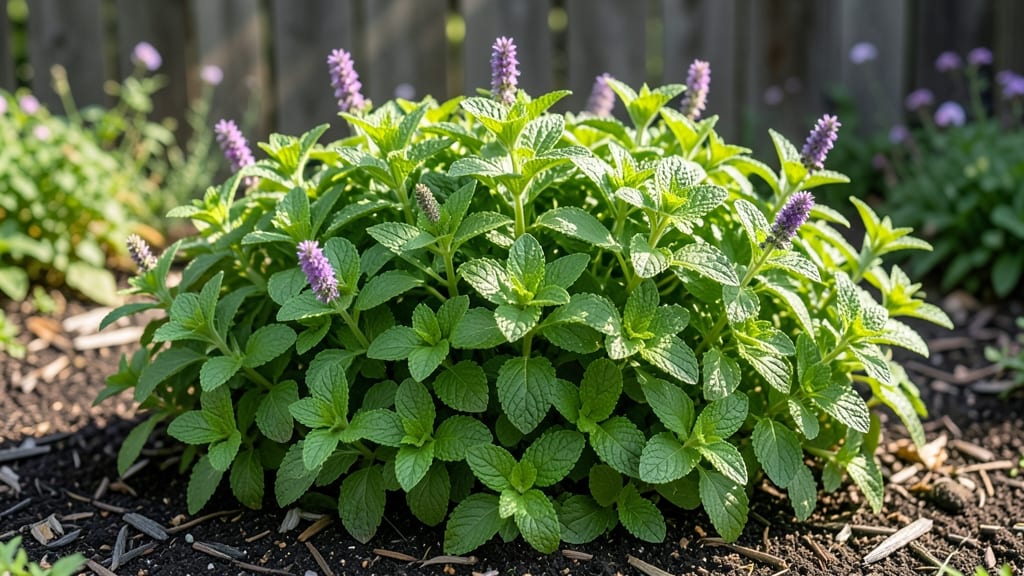
Growing peppermint plants in your shade garden means fresh, fragrant leaves year after year—if you contain their spread. ✨ I learned the hard way that this hardy perennial doubles as a garden invader, but with the right approach, it becomes the star of your shady spots.
The secret to success starts with soil: peppermint thrives in moist, well-draining soil rich in organic matter. A partially shaded location (3-6 hours of sunlight) keeps the leaves lush and the scent strong, while too much sun can make them bitter.
Water consistently—this plant hates drying out—and mulch heavily to retain moisture. By midsummer, you’ll have enough leaves for teas, pest repellent, or culinary uses. The plant’s square stems and serrated leaves make it easy to identify, but its aggressive roots mean containment is key.
Use buried pots or root barriers to keep it from taking over your garden. This isn’t just a plant—it’s a multi-purpose workhorse that repels pests, attracts pollinators, and even soothes headaches when steeped in hot water. Let’s get yours growing the right way!
📚 In This Guide
- What you need
- Instructions
- Tips and common mistakes
- Wrapping up and next steps
What you need
- ● Peppermint plant: Seeds, cuttings, or a 4-inch potted nursery plant (choose a variety like Mentha × piperita for classic peppermint).
- ● Well-draining soil: 5–10 gallons of rich, moist, and slightly acidic soil (pH 6.0–7.0). Mix in 2–3 cups of compost or peat moss per 5 gallons of soil.
- ● Container or garden bed: For containers: 12–18-inch deep pots with drainage holes (1–2 plants per container to prevent spreading).
- ● For garden beds: A shaded or partially shaded spot with at least 6–8 hours of indirect light daily.
- ● Watering can or hose: With a gentle spray nozzle for consistent moisture.
- ○ Garden gloves (optional but recommended for handling soil and cuttings).
- ● Pruning shears (for trimming stems to encourage bushier growth).
- ● Mulch (straw or wood chips) (to retain moisture and suppress weeds).
- ● Fertilizer: Balanced organic fertilizer (10-10-10 or compost tea) applied every 4–6 weeks.
- ● Pest control: Neem oil or insecticidal soap (for aphids or spider mites).
- ● Patience! Peppermint grows best from cuttings (faster than seeds) and may take 6–8 weeks to establish.
- ● Check local frost dates—peppermint thrives in USDA zones 3–9 but prefers cooler climates.
- ● Plan for containment! Peppermint spreads aggressively—use containers or bury pots in the ground to limit roots.
How to grow a thriving peppermint plant in your garden
This fragrant perennial spreads easily and loves shade—here's how to grow it lush and productive.
🌱 Step 1: Pick the Perfect Planting Spot
Peppermint thrives in partial to full shade, making it perfect for under trees or north-facing garden beds. Choose a location with 4-6 hours of indirect light daily—too much direct sun scorches the leaves. The soil should drain well but stay consistently moist, so avoid rocky areas where water pools.
Test the soil by squeezing a handful—it should crumble slightly but hold shape. If your soil drains too fast, mix in 2 inches of compost from your ingredients list to improve moisture retention. Peppermint spreads aggressively, so plant it at least 2 feet away from other plants or contain it in a 12-inch deep pot if space is limited.
🪴 Step 2: Plant Your Peppermint Cutting or Seedling
If starting from a cutting, plant it 2 inches deep in moist soil, pressing firmly to eliminate air pockets. For seedlings, dig a hole twice as wide as the root ball and place the plant so the top of the roots sits just below soil level. This prevents rot while encouraging strong root growth.
Gently firm the soil around the base and water deeply until moisture reaches 4 inches down. You’ll know it’s right when water drains from the bottom of the hole. Mulch with 2 inches of organic mulch (like shredded leaves) to keep roots cool and retain moisture—this is especially important in hot climates.
☀️ Step 3: Water and Fertilize for Lush Growth
Keep the soil evenly moist but never soggy—peppermint wilted leaves usually mean underwatering, while yellowing stems signal overwatering. Water once weekly (more in heatwaves) until the top 2 inches of soil feel damp. Avoid wetting the leaves to prevent fungal diseases like powdery mildew.
Feed your peppermint once in spring with a balanced 10-10-10 fertilizer (use 1 tablespoon per plant). Stop fertilizing in summer—too much nitrogen makes leaves soft and prone to rot. You’ll see vigorous new growth within 2-3 weeks of planting, signaling healthy roots.
✂️ Step 4: Prune and Harvest for Maximum Flavor
Pinch back the tips of new growth in early spring to encourage bushier plants. Harvest stems 3-4 inches long by cutting just above a leaf node—this stimulates more growth. The best time to harvest is morning, when oils are most concentrated. Dry the stems upside down in a dark, well-ventilated area for 1-2 weeks.
Divide mature plants every 3-4 years to control spread. Dig up clumps in early spring, separate the roots, and replant sections. This rejuvenates growth and prevents the plant from crowding out neighbors. Watch for purple-tinged leaves—this means your peppermint is happy and ready for another harvest season.
⏰ Step 5: Overwinter for Next Year’s Growth
Peppermint is hardy to Zone 5, but in colder climates, mulch heavily with 4-6 inches of straw or leaves before frost. This insulates roots and prevents heaving. In Zone 8 and warmer, no special care is needed—just reduce watering slightly in winter.
Come spring, remove old mulch and trim back any dead stems. New growth will appear within 2-3 weeks, signaling it’s time to fertilize lightly and resume regular care. Your peppermint will reward you with stronger, more fragrant leaves year after year.
Tips & tricks for perfect peppermint plant growth
Here's what nobody tells you about growing peppermint that'll make all the difference between a struggling plant and a thriving, fragrant garden star.
Location Secret: The 4-6 hours of indirect light in Step 1 is crucial—think of it as peppermint's "goldilocks zone." Too little light and growth slows, too much causes leaf scorch. I always check my spot by observing how sunlight moves across the garden at different times of day. Morning sun with afternoon shade works best for me.
Soil Prep Strategy: When amending your soil with 2 inches of compost in Step 1, don't just mix it in—create a "moisture pocket." Dig a shallow trench around your planting area and fill it with compost before placing your plant. This creates a reservoir that keeps roots consistently hydrated, especially during dry spells. The compost also improves drainage in heavy clay soils.
Watering Wisdom: The "evenly moist but never soggy" rule in Step 3 is easier said than done. I use a simple test: stick your finger 2 inches into the soil. If it feels dry, water until moisture reaches 4 inches down. For container plants, I weigh them—when they feel noticeably lighter, it's time to water. This prevents both underwatering and root rot.
Harvest Timing: That morning harvest window in Step 4 makes all the difference for flavor intensity. The oils are most concentrated right after dew evaporates but before the sun gets too strong. I set my alarm for 7 AM during harvest season—trust me, your tea will thank you. For drying, hang stems in small bunches to maximize airflow and prevent mold.
Pro Tips for Pepper Mint Plant
- Here's what nobody tells you about growing peppermint that'll make all the difference between a struggling plant and a thriving, fragrant garden star.
- Location Secret: The 4-6 hours of indirect light in Step 1 is crucial—think of it as peppermint's "goldilocks zone."
- Soil Prep Strategy: When amending your soil with 2 inches of compost in Step 1, don't just mix it in—create a "moisture pocket."
Frequently asked questions
Got questions about growing and caring for your pepper mint plant? You’re not alone! Here are answers to the most common queries to help you keep your fragrant perennial thriving—even in shady spots.
How fast does pepper mint spread, and how do I control it?
Pepper mint is a super-spreader! It can expand aggressively via underground runners, often doubling its coverage in a single season. To control it, plant it in containers or sunken beds with barriers (like buried plastic or metal edges). Regularly trim back runners or divide the plant every 2–3 years to manage growth.
Can I grow pepper mint indoors, or does it need outdoor conditions?
Yes, but with caveats! Pepper mint thrives outdoors in partial shade, but it can also grow indoors in bright, indirect light (like a sunny windowsill). Use a 6-inch pot with drainage holes and keep the soil consistently moist. Just watch for leggy growth—rotate the pot occasionally for even light exposure.
When is the best time to harvest pepper mint for cooking or tea?
Harvest pepper mint before flowering (late spring to early summer) for the strongest flavor. Snip stems just above a leaf node with clean scissors, leaving at least 2–3 inches of growth to encourage regrowth. For continuous harvests, pinch back stems regularly—this keeps the plant bushy and productive!
Why are my pepper mint leaves turning yellow or brown?
Yellowing leaves often signal overwatering or poor drainage, while brown edges can mean underwatering or sunburn (if exposed to harsh light). Check soil moisture—pepper mint prefers consistently damp (not soggy) soil. If leaves look crispy, move the plant to shadier conditions and water deeply but less frequently.
What are some low-maintenance alternatives to pepper mint for shade gardens?
If pepper mint’s spread is too much to handle, try these fragrant, shade-tolerant perennials:
- Lemon balm – Citrusy scent, slower spread, great for tea.
- Catnip – Hardy, deer-resistant, and thrives in partial shade.
- Sweet woodruff – Delicate vanilla-like fragrance, spreads gently.
- Chocolate mint – Less invasive than pepper mint, with a sweeter flavor.
Wrapping up and next steps
Growing a pepper mint plant is a rewarding way to add fresh fragrance and versatility to your shade garden—whether for culinary, medicinal, or aesthetic purposes! 🌿 With its low-maintenance nature and adaptability, this hardy perennial is perfect for beginners and seasoned gardeners alike.
Whether you’re harvesting leaves for tea, repelling pests, or simply enjoying its lush greenery, the key is providing the right balance of shade, moisture, and space.
Now that you’re armed with the know-how, why not take the next step? Start by selecting a sunny (or partially shaded) spot in your garden, grab some mint cuttings, and let nature do the rest.
Before you know it, you’ll be savoring homegrown mint in your favorite recipes—or sharing it with friends! Happy gardening! 🌱