
Planting
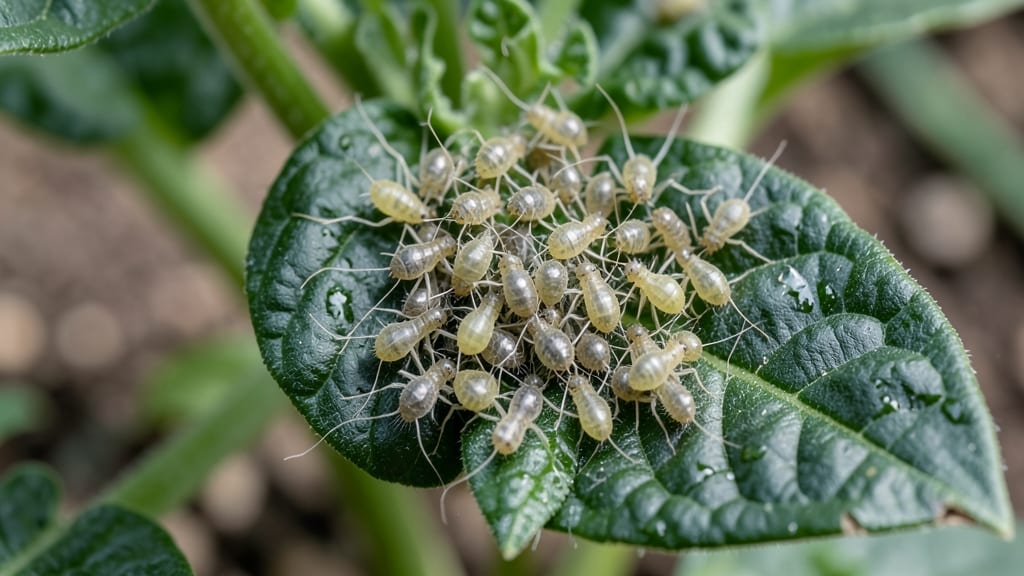
The pepper plant-eating insects—aphids, spider mites, and hornworms—can turn your peppers into skeleton leaves in days, but these organic tricks saved my harvest. 🌶️ bees. Start with neem oil spray (1 tablespoon per quart of water) applied every 7-10 days—it disrupts insects’ life cycles without chemicals.
For hornworms, handpick them (they’re big and green, easy to spot) or introduce parasitic wasps, nature’s pest control. Companion planting with basil, marigolds, or onions confuses pests naturally. You’ll see fewer chewed leaves within a week, and your peppers will thrive without toxic residues.
The key is consistency: check plants daily, especially undersides of leaves where mites hide. This method works for bell peppers, jalapeños, and even chili plants. No more sad, skeletonized plants—just lush, productive peppers that grow strong enough to fight back. Here’s how to make it happen without chemicals.
📚 In This Guide
- What you need
- Instructions
- Tips and common mistakes
- Wrapping up and next steps
What you need
- ● Neem oil (100% pure, cold-pressed): 16 oz (1 bottle) – acts as a natural insecticide and repellent.
- ● Insecticidal soap (potassium-based): 16 oz (1 bottle) – kills soft-bodied pests like aphids and spider mites.
- ● Diatomaceous earth (food-grade): 1 lb (1 bag) – dehydrates insects like flea beetles and cutworms.
- ● Spray bottle (16 oz): 1-2 bottles – for mixing and applying solutions.
- ● Garden twine or string: 50 ft roll – to create barriers or support for row covers.
- ● Lightweight row covers (floating fabric): Enough to cover your pepper plants – protects from flying insects like cabbage moths.
- ● Garden gloves: 1 pair – to handle materials safely.
- ● Watering can or hose with a gentle spray nozzle: For rinsing plants after treatment.
- ● Pruning shears: For trimming heavily infested leaves.
- ● Handheld fan or leaf blower: To dislodge pests like aphids before treating.
- ● Beneficial nematodes (e.g., Steinernema carpocapsae): 1-2 million per acre – targets soil-dwelling pests like grubs.
- ● Ladybugs or lacewing larvae: 500-1,000 per acre – natural predators of common pepper pests.
- ● Essential oils (e.g., peppermint, eucalyptus, or citrus): 5-10 drops – can be mixed with water for a DIY repellent spray.
- ● Yellow sticky traps: 5-10 traps – catches flying insects like whiteflies.
How to protect pepper plants from insect pests naturally
Here's my go-to system for keeping pepper plants thriving without harsh chemicals—tested in my own garden.
🪴 Step 1: Inspect Plants Daily for Early Signs of Damage
Start by examining your pepper plants every morning for the first signs of insect activity. Look closely at the undersides of leaves, along stems, and inside the plant canopy where pests hide. Common culprits include aphids, spider mites, and hornworms—each leaves distinct damage patterns. Aphids cluster in sticky colonies, spider mites create fine webbing, and hornworms chew ragged holes in leaves.
I like to use a 10x magnifying glass for this step—it reveals tiny mites and eggs you'd miss with the naked eye. The earlier you catch an infestation, the easier it is to eliminate. Pay special attention to new growth areas where pests often first appear. If you spot just a few insects, you can often remove them by hand using a damp paper towel or your fingers.
💧 Step 2: Apply Homemade Insecticidal Soap Spray
Mix 1 tablespoon of liquid castile soap with 1 quart of water in a spray bottle. Add 1 teaspoon of vegetable oil to help break down the pests' protective coatings. Shake well before each use—this solution works best when freshly mixed. The soap disrupts the cell membranes of soft-bodied insects like aphids and whiteflies while the oil smothers them.
Spray the solution thoroughly on all plant surfaces, focusing on the undersides of leaves where many pests hide. Apply in the early morning when temperatures are below 85°F to prevent leaf burn. Reapply every 5-7 days or after rain. I always test the spray on a small leaf first to ensure it doesn't cause any adverse reactions. This method is completely safe for beneficial insects when used properly.
☀️ Step 3: Introduce Beneficial Insects and Companion Plants
Plant basil, marigolds, or dill around your pepper plants to naturally repel pests. These companion plants release scents that mask the aroma of peppers, confusing insects like flea beetles. I also interplant nasturtiums—they act as a trap crop, drawing pests away from your peppers. The key is spacing them properly: place companion plants within 12-18 inches of your peppers for maximum effect.
Release ladybugs, lacewings, or parasitic wasps in the evening when temperatures drop below 80°F. These beneficial insects thrive in pepper plant environments and prey on common pests like aphids and spider mites. I order mine from reputable suppliers and release them directly onto the plants. Always provide a shallow water source for them to drink from—just a small dish with pebbles works perfectly. You'll see their populations grow naturally over time.
✂️ Step 4: Use Physical Barriers for Severe Infestations
For stubborn pests like flea beetles or hornworms, cover young plants with fine mesh row covers secured tightly at the edges. These barriers allow light, air, and water to pass through while blocking insects completely. I use 18-inch tall covers and weigh down the edges with small rocks or bricks to prevent wind damage. Leave the covers on for 2-3 weeks or until the plants outgrow the pest threat.
For hornworms, I handpick them in the evening when they're less active. Look for the large green caterpillars with white stripes—just drop them into soapy water immediately. I also wrap the lower stems of young plants with cardboard collars to prevent cutworms from climbing up. These physical methods require more effort but eliminate the need for chemical treatments entirely.
🌿 Step 5: Maintain Plant Health to Prevent Future Infestations
Healthy pepper plants naturally resist pests better than stressed ones. Water deeply at the base every 2-3 days during hot weather, keeping the soil 1-2 inches moist but never soggy. I always water in the morning to allow foliage to dry completely before evening. Wet leaves attract fungal diseases and provide hiding spots for pests like slugs.
Apply a balanced organic fertilizer every 4-6 weeks during the growing season to maintain strong growth. I use a mix of compost and worm castings for slow-release nutrients. Prune any yellow or damaged leaves immediately—they attract pests and spread disease. Regular pruning also improves air circulation, reducing humidity levels where fungi and insects thrive.
Tips & tricks for natural pepper plant pest control
These battle-tested strategies will help you keep your pepper plants thriving without relying on harsh chemicals.
Timing is Everything: In Step 1, when inspecting your plants every morning, focus on the 3-5 hours after sunrise when dew has evaporated but temperatures are still moderate. This is when pests like aphids and spider mites are most active and visible. I've noticed that early morning inspections catch infestations before they become unmanageable—especially important during the first 2-3 weeks of new growth when plants are most vulnerable.
Soap Solution Precision: For the homemade insecticidal soap spray in Step 2, use Dawn dish soap specifically—it's designed to cut through grease and works exceptionally well on insect protective coatings. When mixing your 1 tablespoon soap + 1 quart water + 1 teaspoon vegetable oil, shake vigorously for 30 seconds to create a proper emulsion. The oil helps break down the waxy layers on pests' bodies, making the soap more effective. Always apply when temperatures are below 85°F—I've seen leaf burn occur when spraying in midday heat, even with this gentle formula.
Companion Plant Strategy: When implementing Step 3's companion planting, place marigolds closest to your pepper plants (within 6-12 inches) as they emit the strongest pest-repelling compounds. I've found that spacing basil about 18 inches away creates a gradual scent transition that confuses pests without overwhelming your peppers. For maximum effectiveness, rotate your companion plants every 6-8 weeks—this prevents pest adaptation to the scent patterns.
Physical Barrier Pro Tips: In Step 4, when using row covers, secure them tightly with brass fasteners or clothespins rather than staples—this prevents tearing when you need to remove covers later. For hornworm removal, I've found that using a damp paper towel wrapped around a stick makes handpicking easier and more hygienic. The key is to check plants in the late afternoon when hornworms are less active but still visible against the foliage.
Pro Tips for Pepper Plant Eating Insects
- These battle-tested strategies will help you keep your pepper plants thriving without relying on harsh chemicals.
- Timing is Everything: In Step 1, when inspecting your plants every morning, focus on the 3-5 hours after sunrise when dew has evaporated but temperatures are still moderate.
- Soap Solution Precision: For the homemade insecticidal soap spray in Step 2, use Dawn dish soap specifically—it's designed to cut through grease and works exceptionally well on insect protective coatings.
Frequently asked questions
Got questions about those pesky critters munching on your peppers? You’re not alone! Here are answers to the most common concerns—plus tips to keep your plants thriving.
What are the most common insects that eat pepper plants?
The usual suspects include aphids (tiny green/black clusters), hornworms (striped caterpillars), spider mites (tiny red/yellow dots), and flea beetles (tiny holes in leaves). Cutworms and stink bugs also love peppers. Early detection is key—check undersides of leaves and stems regularly!
How soon after planting should I expect insect damage?
Damage can appear within days if pests are already present (like aphids or flea beetles). Seedlings are especially vulnerable. For hornworms or cabbage loopers, wait 4–6 weeks as they target mature foliage. Monitor plants weekly and act fast—small infestations are easier to manage!
Are there natural repellents that work better than chemical sprays?
Try these DIY fixes:
- Neem oil (diluted): Disrupts insect life cycles; spray at dusk to avoid harming bees.
- Garlic/spicy pepper spray: Blend garlic, cayenne, and water; strain and spray on leaves.
- Soap spray: Mix 1 tbsp mild soap + 1 quart water; targets soft-bodied pests like aphids.
- Beneficial insects: Ladybugs, lacewings, and parasitic wasps eat pests naturally.
Rotate methods to prevent resistance!
What should I do if my peppers are already heavily damaged?
Don’t panic! Prune heavily damaged leaves (but avoid over-trimming). For hornworms, handpick them (they’re big and easy to spot!). If root damage (like from cutworms) is severe, consider replanting. Boost plant health with compost and balanced fertilizer to help recovery.
Will these insects harm my pepper harvest, or just the leaves?
It depends! Aphids and spider mites sap leaves but rarely ruin fruit. Hornworms and stink bugs, however, chew fruit directly, causing cosmetic damage or spoilage. Flea beetles create entry points for disease. Act fast to protect both yield and plant vigor!
Still stumped? Drop your specific pest below—we’ve got more tailored tips!
Wrapping up and next steps
Protecting your pepper plants from hungry insects doesn’t have to be a battle—it’s all about prevention and natural solutions. 🌱 From neem oil sprays to companion planting, these methods are effective, eco-friendly, and easy to implement.
Whether you’re a seasoned gardener or just starting, small steps like regular monitoring and organic repellents can make a big difference.
Ready to take action? Start with one or two strategies this week—your pepper plants (and future harvests) will thank you! 🌶️💚