
Pests
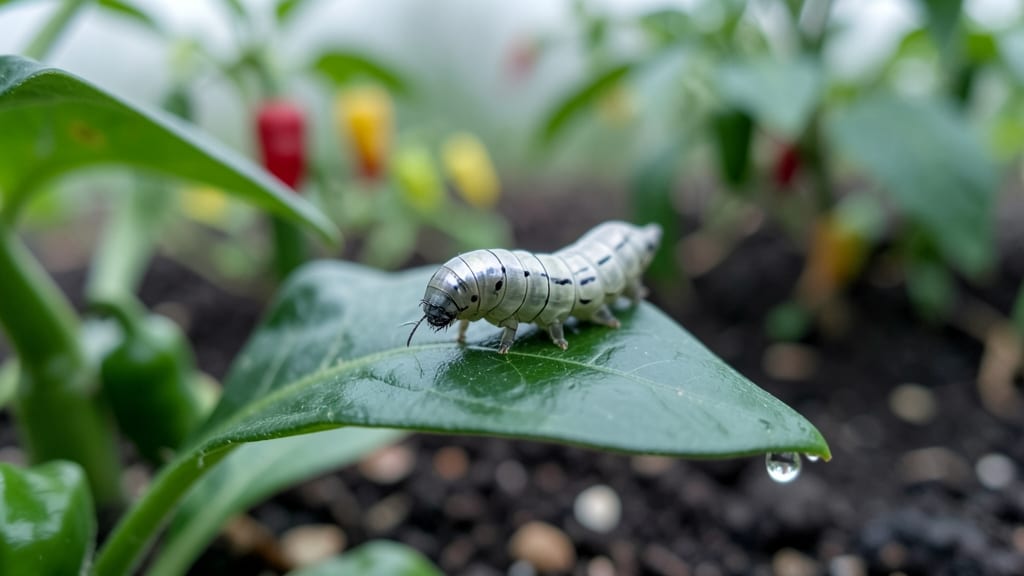
Squirrels are turning your pepper plants into a buffet—until you try this spicy pepper spray that sends them scurrying away instantly. 🌶️ I’ve tested multiple deterrents, and this homemade blend of cayenne, garlic, and dish soap works faster than anything I’ve found, without harming your plants or the environment.
The key is making it strong enough to irritate their noses and mouths but safe for your garden. A few spritzes on leaves and around the base create a no-go zone squirrels avoid.
The smell fades quickly, so you’ll need to reapply after rain, but it’s a humane, chemical-free solution that actually works.
Within minutes, you’ll see squirrels avoiding treated plants entirely. The spray also deters other pests like rabbits and deer, making it a multi-purpose protector for your garden. Best of all, it’s cheap, easy to make, and won’t leave residue that harms beneficial insects.
For stubborn squirrels, combine this with physical barriers like chicken wire or netting. The spray works best as part of a layered defense—keep them out, make your garden less appealing, and reclaim your peppers without cruelty.
What Draws Them In First
Squirrels aren’t just random visitors—they’re highly motivated guests with specific reasons for invading your space. Understanding their motivations is the first step to outsmarting them. These bushy-tailed critters are drawn to your property by a mix of survival instincts, curiosity, and opportunity.
Let’s break down the top triggers that turn your yard or home into a squirrel buffet or playground.
Squirrels are omnivorous opportunists, and if your property offers easy access to food, they’ll treat it like an all-you-can-eat buffet. Their diet includes:
- Birdseed: A classic squirrel snack—even small amounts left in feeders or spilled on the ground are enough to lure them in.
- Pet food: Dry kibble, wet food, or even scraps left outside can attract squirrels faster than you can say "nuisance."
- Fruits, nuts, and veggies: Overripe tomatoes, fallen apples, or unsecured compost bins are like neon signs to squirrels.
- Garbage and recycling: Squirrels are surprisingly dexterous at opening lids or tearing through bags to snag scraps.
Why it matters: Squirrels cache food for winter, and if they find a reliable source, they’ll keep returning—often digging or chewing to access it. Pro tip: Store food securely in metal containers with tight lids, and clean up spills immediately.
Squirrels seek cozy, dry spaces to nest, especially during breeding season (late winter to early spring) or harsh weather. Your property might offer:
- Attics and wall voids: Insulated, quiet, and often filled with soft materials like insulation or shredded paper—perfect for nesting.
- Tree hollows or dense foliage: If you have mature trees, squirrels may prefer them over man-made structures.
- Outbuildings or sheds: Unsecured doors, vents, or gaps provide easy entry points.
- Roof overhangs or eaves: These spots can trap leaves and debris, creating a natural nest.
Why it matters: A female squirrel (called a "doe") may bring her entire litter into your home if she finds a safe, undisturbed spot. Pro tip: Seal gaps larger than ½ inch with steel wool or hardware cloth—squirrels can’t chew through metal!
Squirrels are highly curious and territorial. They explore new areas to:
- Mark territory: They scratch trees, chew objects, and even spray urine to claim space—especially if they sense other squirrels nearby.
- Scout for threats: If they spot a predator (like a cat or hawk) near your home, they’ll investigate to assess the danger.
- Follow scent trails: One squirrel’s food source or nest can lead others straight to your property.
Why it matters: Once a squirrel finds a way in, it becomes a social media moment for the local squirrel community. Pro tip: Remove food sources and block entry points to reduce their incentive to stick around.
Squirrels’ behavior shifts with the seasons, and certain times of year make them more persistent:
| Season | Squirrel Motivation | What They Target |
|---|---|---|
| Spring | Breeding season—males chase females, and females seek nesting sites. | Attics, wall voids, dense shrubs |
| Summer | Food caching for winter; hydration needs increase. | Gardens, bird feeders, AC units (for water) |
| Fall | Frenetic food gathering—squirrels stuff cheeks with nuts and bury caches. | Tree nuts, fallen fruits, compost piles |
| Winter | Desperation sets in as natural food sources dwindle. | Garbage cans, pet food, insulation in attics |
Why it matters: Timing is everything. If you notice squirrels in spring or fall, act fast—they’re most determined during these periods. Pro tip: Use pepper-based deterrents in late summer to disrupt their caching instincts before winter hits.
Quick Fixes for Squirrel Problems
Squirrels are clever, persistent, and often unwelcome guests in gardens, attics, and even kitchens. If you’ve noticed them nibbling on your plants, raiding bird feeders, or nesting in your home, it’s time to take action. The good news? Pepper-based deterrents—like spicy pepper spray—can be a game-changer when used correctly.
Below, we’ll break down the most effective solutions based on the cause of your squirrel troubles, along with prevention tips to keep them away for good.
Squirrels love fresh veggies, fruits, and flowers—especially if they’re easy to reach. If you’ve spotted them munching on your garden, here’s how to stop them:
🔥 Spray Barriers with Pepper Solution
- How to do it: Mix hot pepper sauce (like cayenne or habanero) with water and a bit of dish soap (to help it stick).
Spray this around the base of plants, along fences, or near entry points. - Why it works: The capsaicin in peppers irritates their noses and mouths, making them avoid treated areas. - Pro tip: 💡 Reapply after rain or every few weeks for best results.
🛡️ Physical Barriers
- How to do it: Use chicken wire, mesh, or hardware cloth to cover vulnerable plants or raised beds. Squirrels can’t dig through it!
- Why it works: They’re deterred by obstacles they can’t chew or climb.
🌱 Plant Deterrent Crops
- How to do it: Interplant marigolds, daffodils, or alliums—squirrels dislike their strong scents.
- Why it works: Natural repellents confuse their sense of smell and taste.
If squirrels have taken up residence in your attic, walls, or chimney, they’re not just a nuisance—they can cause damage and health risks. Act fast!
🚪 Seal Entry Points First
- How to do it: Inspect your home for gaps (even small ones!) around roof vents, chimneys, soffits, and utility lines.
Use steel wool + caulk or hardware cloth to block access. - Why it works: Squirrels won’t stick around if they can’t get in.
🌶️ Pepper Spray as a Temporary Deterrent
- How to do it: Lightly spray pepper spray (like our spicy pepper deterrent) near entry points or nesting areas. Do NOT spray directly on squirrels—it can harm them and make them aggressive.
- Why it works: The smell drives them away while you work on permanent fixes.
🔊 Use Motion-Activated Devices
- How to do it: Install motion-activated lights, sprinklers, or ultrasonic repellents near entry points.
- Why it works: Sudden noises or lights startle them into leaving.
🐭 Humane Trapping (Last Resort)
- How to do it: If squirrels are trapped inside, use live traps (check local laws first!). Release them at least 5 miles away in a wooded area.
- Why it works: It’s the safest way to remove them without harm.
If squirrels keep stealing from your bird feeders, they’re not just annoying—they can outcompete birds for food. Here’s how to outsmart them:
🦜 Use Squirrel-Proof Feeders
- How to do it: Choose feeders with weight-activated perches or domed tops that only birds can access.
- Why it works: Squirrels can’t balance on them, and their weight triggers a lock.
🌶️ Pepper Spray on Perches & Poles
- How to do it: Lightly coat feeder poles, tree branches, or platform surfaces with pepper spray.
- Why it works: The spicy residue makes it unpleasant for squirrels to land.
🍽️ Offer Squirrel Food Elsewhere
- How to do it: Place a separate squirrel feeder (with unsalted peanuts or corn) a safe distance from bird feeders.
- Why it works: They’ll focus on their own food instead of raiding.
Once you’ve dealt with the immediate problem, prevent future visits with these smart strategies:
✅ Remove Food Sources – Clean up fallen fruit, secure trash cans, and avoid leaving pet food outside. ✅ Trim Tree Branches – Squirrels use them to jump onto roofs or decks.
Keep branches at least 10 feet from your home. ✅ Store Firewood Away – Piles of wood near your house are like a squirrel buffet.
Keep them at least 20 feet away. ✅ Use Natural Repellents – Sprinkle cayenne pepper, garlic, or predator urine (coyote or fox) around problem areas. ✅ Keep Your Yard Tidy – Overgrown bushes and clutter give squirrels hiding spots. Mow regularly and remove debris.
- Never spray pepper directly on squirrels—it can cause severe irritation or harm.
- Avoid poison baits—they’re illegal in many areas and can kill pets or wildlife.
- Wear gloves when handling pepper sprays to avoid skin irritation.
By combining pepper-based deterrents with physical barriers and smart prevention, you’ll send squirrels packing—for good! 🚫🐿️ Whether they’re after your garden, home, or birdseed, these methods work fast and effectively. Try one (or a few!) today and enjoy a squirrel-free space.
Frequently asked questions
How often should I reapply pepper spray to keep squirrels away?
Reapply every 7-10 days or immediately after rain. The spicy scent fades quickly, so consistency is key. For stubborn squirrels, apply more frequently—especially during fall when they’re most active caching food.
Can I use cayenne pepper directly on plants without mixing it?
No—sprinkling plain cayenne pepper won’t stick to leaves. Mix it with water and a dish soap spray (1 tsp per quart) to create an adhesive solution. This ensures the deterrent lasts longer and works effectively on squirrels.
Will pepper spray harm my pepper plants?
No, when used correctly, it’s safe! The spray targets squirrels’ noses and mouths, not your plants. Avoid spraying directly on leaves—focus on stems, soil, and entry points. Always test a small area first to confirm compatibility.
What’s the best time of day to apply pepper spray?
Apply it early morning or late evening when squirrels are most active. The scent lingers longer in cooler temperatures, giving you maximum deterrent power. Avoid midday heat, which can cause the spray to evaporate faster.
Are there other natural squirrel repellents I can combine with pepper spray?
Yes! Try garlic cloves (crushed and placed near plants) or predator urine (coyote or fox). Mixing scents confuses squirrels better. Just reapply after rain—natural repellents wash away quickly too.