
Picking
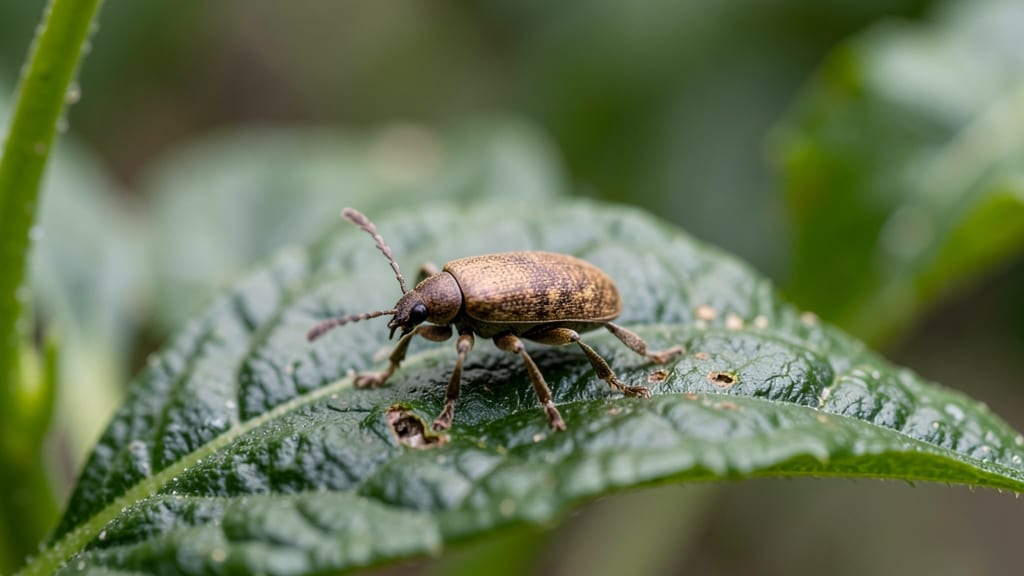
Those tiny black beetles are causing the devastating pepper weevil damage before you even notice—chewed leaves, wilting stems, and all the work you put into your peppers gone in just a few weeks. 🌶️ I’ve seen them turn a thriving plant into a skeleton in no time. growing those peppers wasted.
The damage starts small but spreads fast, so knowing what to look for is your first line of defense. The weevils target peppers, eggplants, and tomatoes, leaving behind jagged holes in leaves and black frass (that’s insect poop) everywhere.
You’ll also spot the adults—tiny, black beetles with a distinctive snout—crawling on stems or hiding under leaves. The key is catching them early, before they lay eggs and the cycle starts again. With the right approach, you can save your plants.
Neem oil disrupts their life cycle, while handpicking adults (yes, really) reduces numbers fast. Companion planting with basil or marigolds confuses them, and row covers keep them out entirely. The goal? Stopping them before they turn your harvest into Swiss cheese. This works for both container gardens and in-ground plots.
The sooner you act, the more you’ll save—so grab those gloves and let’s get to work before next season’s peppers become a buffet for these pests.
Root Causes of Pepper Weevil Havoc
Pepper weevils—those tiny, sneaky pests—don’t just appear out of nowhere. Their destructive feeding habits are the result of a mix of environmental, behavioral, and agricultural factors. Understanding why they target your peppers (and how they thrive) is the first step to stopping them in their tracks.
Below, we break down the key reasons these beetles wreak havoc on your garden, from their biology to your growing habits.
Pepper weevils (especially Anthonomus eugenii) are opportunistic feeders—they zero in on plants that are already struggling. Here’s why:
- Nutrient Deficiencies: Peppers lacking nitrogen, phosphorus, or potassium become less resilient. Weevils detect these deficiencies and lay eggs in softer, more vulnerable tissue.
- Water Stress: Overwatering or drought weakens plant cell walls, making them easier for weevil larvae to burrow into. Pro tip: Aim for consistent moisture—neither soggy nor bone-dry soil.
- Poor Air Circulation: Dense foliage or overcrowded plants trap humidity, creating the perfect breeding ground. Weevils thrive in warm, moist environments where fungi (their silent partners) also flourish.
Actionable Fix: Monitor soil pH (ideal: 6.0–6.8) and fertilize with a balanced formula (e.g., 10-10-10) at planting and mid-season. Prune plants to improve airflow—weevils hate competition for space!
Pepper weevils don’t strike randomly—they follow a predictable life cycle tied to your pepper plants’ development:
| Stage | When It Happens | Damage Trigger |
|---|---|---|
| Adult Emergence | Late spring to early summer (when peppers flower) | Adults chew on flower buds, preventing fruit set. |
| Egg Laying | Inside flower buds (1–2 eggs per bud) | Larvae hatch in 3–5 days, immediately tunneling into developing peppers. |
| Larval Feeding | Summer (peak activity when temps are 75–90°F) | Larvae create visible galleries inside peppers, causing rot and deformities. |
| Pupation | Late summer/fall (in soil or plant debris) | Pupae overwinter, emerging as adults the following spring. |
Key Insight: Weevils time their attacks with pepper flowering and fruiting. Disrupting this cycle—by removing infested buds early or using row covers—can severely limit their damage.
Pepper weevils don’t disappear in winter—they hide and wait. Here’s how they survive and return stronger:
- Soil and Mulch: Adults burrow into garden soil or compost piles to overwinter. If you leave last year’s pepper debris (stalks, fallen fruit) in the bed, they’ll use it as a nursery.
- Weeds and Volunteer Plants: Wild solanaceous plants (like nightshade) or stray pepper seedlings act as alternative hosts, allowing weevils to build populations before moving to your crop.
- Greenhouse or Hoophouse Residue: In protected growing spaces, weevils can survive year-round if old plant material isn’t removed.
Actionable Fix:
- 🔥 Clean up thoroughly: Remove all pepper plants (including roots) and debris after harvest. Do not compost infested material—burn or trash it.
- 🌡️ Solarize soil: In late summer, cover garden beds with clear plastic for 4–6 weeks to kill pupae (temps must reach 104–113°F).
- 🎯 Rotate crops: Avoid planting peppers, tomatoes, or eggplants in the same spot for 3+ years.
In a healthy ecosystem, predators like parasitic wasps, lady beetles, and ground beetles keep weevil populations in check. But when you disrupt this balance, the pests take over:
- Pesticide Overuse: Broad-spectrum chemicals (e.g., neonicotinoids) kill beneficial insects first, leaving weevils unchallenged.
- Monoculture Planting: Growing only peppers (or other solanaceae) removes diversity, starving predator species of alternative prey.
- Urban or Suburban Gardens: Fewer wild predators exist in manicured lawns compared to diverse, native landscapes.
Actionable Fix:
- 💡 Encourage predators: Plant dill, fennel, or alyssum nearby to attract beneficial insects.
- 🌿 Avoid synthetic sprays: Opt for neem oil, kaolin clay, or insecticidal soap (applied early morning to avoid harming bees).
- ✨ Diversify your garden: Interplant peppers with basil, marigolds, or nasturtiums to confuse weevils and attract allies.
Remember: Pepper weevils exploit gaps in your defenses. By addressing stress, timing, debris, and predator support, you can turn the tables and make your garden a less appealing (and far less profitable) buffet for these beetles.
Fixing Pepper Weevil Havoc
Discovering pepper weevils in your garden or stored peppers can feel like a nightmare, but don’t panic—these pests are beatable! The key is acting fast with targeted solutions that match the damage you’ve spotted. Below, we’ll break down the most effective fixes, organized by the root cause of the problem.
Whether you’re dealing with active infestations in the garden, contaminated stored peppers, or preventing future attacks, these steps will help you reclaim your harvest.
If you’ve spotted pepper weevils munching on your plants or laying eggs, act quickly to stop the cycle.
🔥 Step 1: Remove Infested Plants (or Severely Damaged Parts)
- How: Pull up heavily infested plants and dispose of them in sealed trash bags (not compost). If only a few pods or leaves are damaged, trim and discard them immediately.
- Why: Weevils and larvae thrive in decaying plant matter—removing it cuts off their food source and breeding ground.
- Pro Tip: 💡 Check the soil around the roots for pupae or adults hiding in the dirt.
🍳 Step 2: Apply Organic or Chemical Insecticides
- For organic gardens:
- Neem oil spray: Mix 2 tbsp neem oil + 1 tsp mild soap in 1 quart of water. Spray plants thoroughly, focusing on leaves and stems. Reapply every 5–7 days. 🌿
- Diatomaceous earth (DE): Sprinkle food-grade DE around the base of plants and on soil. It dehydrates weevils but is harmless to plants. (Reapply after rain.) ⏳
- Beneficial nematodes: These microscopic worms hunt weevil larvae in the soil. Apply in the evening when soil is moist.
- For severe infestations:
- Use pyrethrin-based sprays (derived from chrysanthemums) or spinosad (a bacterial insecticide). Follow label instructions carefully.
👨🍳 Step 3: Set Traps to Monitor and Reduce Populations
- Pheromone traps: Place weevil-specific traps near your pepper plants to lure adults away. Check and reset traps weekly.
- Yellow sticky traps: Weevils are attracted to yellow; hang these near plants to catch stragglers.
🥘 Step 4: Rotate Crops and Improve Garden Hygiene
- Avoid planting peppers, eggplants, or tomatoes in the same spot next year—weevils overwinter in soil.
- Mulch with straw or grass clippings to deter weevils from laying eggs directly in the soil.
If your stored peppers (dried, fresh, or pickled) are infested, isolation and deep cleaning are critical.
🔪 Step 1: Quarantine and Inspect All Stored Peppers
- Remove all peppers from storage and inspect each one for weevils, larvae, or tiny holes.
- Discard anything with:
- Visible weevils or larvae.
- Frass (sawdust-like droppings).
- Chewed holes or tunnels inside pods.
⏰ Step 2: Freeze or Heat-Treat Uninfested Peppers
- Freezing method: Place clean peppers in sealed bags and freeze for 4–7 days to kill any hidden eggs or larvae.
- Heat treatment: Bake infested-free peppers at 120°F (49°C) for 30 minutes to sterilize them (best for dried peppers or seeds).
🌡️ Step 3: Deep-Clean Storage Areas
- Vacuum shelves, jars, and containers thoroughly. Empty and wash storage bins with hot, soapy water and a 10% vinegar solution to kill eggs.
- For wooden crates or baskets: Wipe down with mineral oil or food-grade silicone spray—weevils can’t cross these barriers.
- Pro Tip: 🔥 Store peppers in airtight glass jars or Mylar bags with oxygen absorbers to suffocate any survivors.
🎯 Step 4: Use Diatomaceous Earth or Silica Gel
- Sprinkle food-grade DE in storage containers or around shelves to create a barrier.
- Place silica gel packets (non-toxic) among stored peppers to absorb moisture and deter weevils.
An ounce of prevention is worth a pound of cure—especially with persistent pests like weevils.
💡 Early Season Prevention
- Plant trap crops: Grow basil or marigolds near peppers—their strong scents repel weevils.
- Use row covers: Install fine mesh fabric over young plants to block adult weevils from laying eggs.
- Interplant with onions or garlic: Their pungent aroma deters weevils naturally.
🌿 Soil and Garden Maintenance
- Solarize soil: Cover garden beds with clear plastic for 4–6 weeks in summer to bake out pupae and eggs.
- Encourage natural predators: Ladybugs, lacewings, and birds eat weevils. Plant dill, fennel, or cosmos to attract them.
- Avoid overwatering: Weevils thrive in damp soil—ensure good drainage.
📊 Storage Best Practices
- Inspect peppers before storing: Even "clean" produce can harbor eggs.
- Store in cool, dry places: Weevils prefer warmth and humidity—aim for 50–60°F (10–15°C) and <50% humidity.
- Regular checks: Every 2–3 weeks, rotate and re-inspect stored peppers for signs of reinfestation.
With these targeted strategies, you can eliminate current infestations and shield your future harvests from pepper weevils. Consistency is key—stay vigilant, and your garden (and pantry) will stay weevil-free! 🚀
Frequently asked questions
What do pepper weevil larvae look like, and how can I tell them apart from other pests?
Pepper weevil larvae are tiny, white, and legless with a curved body, about 1/8-inch long. They resemble small grubs but lack the brown head capsule. Look for their frass (sawdust-like droppings) near chewed pepper pods or flower buds—this is a dead giveaway. Unlike cutworms, they don’t cut stems but burrow inside peppers instead.
Can I still save my peppers if I find weevils in the flower buds?
Yes, but act fast! Remove and destroy all infested flower buds immediately to prevent larvae from hatching. For existing peppers, monitor them closely and consider applying neem oil every 5-7 days to disrupt larval development. If damage is minimal, your peppers may still develop normally.
How long does it take for pepper weevil damage to show after an infestation?
Visible damage appears within 3-5 days after eggs hatch. You’ll first notice jagged holes in leaves, then black frass (insect poop) on foliage. Inside peppers, larvae create tunnels that cause deformities or rot. The faster you intervene, the less damage occurs—so check plants weekly during peak season (late spring to summer).
Will companion planting with basil really keep pepper weevils away?
Yes, but it’s most effective when combined with other methods. Basil’s strong scent confuses weevils, but they may still lay eggs. For best results, pair it with marigolds or nasturtiums and use row covers during early growth. The scent alone won’t eliminate weevils, but it reduces their numbers significantly.
Can pepper weevils survive winter in my garden soil?
Absolutely—they overwinter as pupae in garden soil or plant debris. To break the cycle, remove all pepper plants (including roots) after harvest and solarize your soil by covering beds with clear plastic for 4-6 weeks in late summer. This kills pupae before they emerge the following spring.