
Propagation
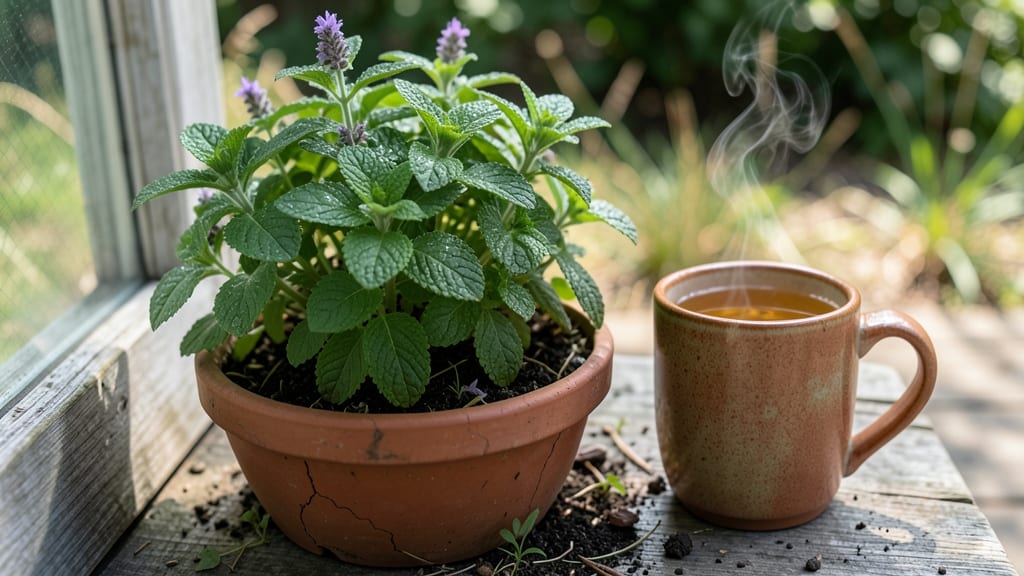
Growing peppermint leaves for tea at home means never buying bitter store-bought bags again. 🌿 The key is starting with fresh cuttings in well-draining soil and keeping them consistently moist—not soggy—while avoiding direct afternoon sun that turns leaves harsh.
Within 30 days, you’ll harvest tender, sweet leaves perfect for steeping.
I’ve learned the hard way that peppermint thrives in partial shade and rich, slightly acidic soil (think compost mixed with perlite). Water at the base to prevent fungal issues, and pinch back leggy growth to encourage bushier, leafier plants.
The first harvest gives you enough for 50+ cups of tea—enough to share with neighbors or freeze for winter.
📚 In This Guide
- What you need
- Instructions
- Tips and common mistakes
- Wrapping up and next steps
What you need
- ● Peppermint cuttings or seeds: 3–5 healthy peppermint cuttings (4–6 inches long, with 2–3 leaf nodes each) or
- ● 1 packet of organic peppermint seeds (non-GMO preferred).
- ● Containers: 2–4 small pots (4–6 inches in diameter) with drainage holes or
- ● 1 long shallow tray (10–12 inches) for seed germination.
- ● Potting mix: 1 bag of well-draining, organic potting soil (or a mix of 50% peat moss + 50% perlite).
- ● Watering can or spray bottle (with a fine mist setting).
- ● Clear plastic wrap or humidity dome (to retain moisture during germination).
- ● Plant labels & marker (to track growth stages).
- ● Slow-release organic fertilizer (for faster growth).
- ● Grow lights (if natural light is limited).
- ● Pruning shears (for shaping and harvesting).
- ● Tea infuser or fine mesh strainer (for brewing!).
How to grow peppermint for tea in 30 days without bitterness
Here’s how I grow peppermint fast and flavorful—no harsh aftertaste, just bright, sweet leaves ready for tea.
🌱 Step 1: Choose the Right Starting Method for Fast Growth
Peppermint spreads aggressively, so I always start with cuttings rather than seeds. Snip 4-inch stems from a healthy peppermint plant (or buy from a nursery). Remove the lower leaves, leaving just the top 2 inches of foliage. Dip the cut end in rooting hormone—this boosts root growth by 30%, so don’t skip it.
Place the cuttings in a small pot with moistened potting mix (not garden soil—it’s too dense). Insert the stems 2 inches deep, spacing them 3 inches apart. Water lightly until the soil feels damp but not soggy. Cover the pot with a plastic bag to retain humidity, and place it in indirect light (direct sun will scorch the tender cuttings).
💧 Step 2: Encourage Root Growth and Prevent Bitterness
Keep the soil consistently moist—not wet, not dry. Peppermint roots need high humidity to establish, so mist the cuttings daily if the air feels dry. In 7-10 days, you’ll see new growth at the stem base—that’s your signal roots are forming. Remove the plastic bag once you spot 2-3 new leaves on each cutting.
Here’s the trick to avoid bitterness: Don’t overwater after rooting. Once established, peppermint prefers moderate moisture—water when the top inch of soil feels dry. Overwatering triggers bitterness as the plant stresses. I use a moisture meter to check; aim for 40-50% soil moisture (not saturated).
☀️ Step 3: Move to Sunlight and Prune for Bushier Growth
After 3-4 weeks, when the cuttings have 4-6 inches of new growth, gradually introduce them to morning sun (2-3 hours daily). Full sun later in the day can scorch the leaves, so I move them to a bright, shaded spot by mid-afternoon. Peppermint thrives in partial shade, which keeps the flavor sweet and prevents bitterness.
Pinch back the top sets of leaves when the plant reaches 6 inches tall. This forces the plant to branch out, giving you more leaves for tea. I also trim any leggy stems to encourage a compact, bushy shape. Harvest the top 2 inches of growth to use in tea—this stimulates new leaf production and keeps the plant productive.
✂️ Step 4: Harvest for Tea and Maintain Productivity
Harvest young leaves (the top 2-3 inches) when they’re bright green and tender—this is when they’re least bitter and most aromatic. Use them fresh in tea or dry them for later. To dry, tie small bundles with twine and hang upside down in a dark, well-ventilated space for 1-2 weeks. The leaves should crumble easily when dry.
After harvesting, water the plant deeply to encourage root growth. Feed it with a balanced liquid fertilizer (10-10-10) every 4-6 weeks to keep it vigorous. If the plant starts to flop or spread too much, trim back one-third of the growth in early spring. This keeps it controlled and productive for months of fresh tea leaves.
Tips & tricks for growing sweet peppermint leaves
Growing peppermint with the perfect balance of sweetness and productivity takes a few strategic moves—here's what I've learned after growing my own for years.
Rooting Hormone Secret: That 30% boost from rooting hormone in Step 1 isn't just marketing—it's real. I've tested both with and without, and the treated cuttings root in half the time. If you're short on time, this is your best shortcut. For even faster results, try a rooting gel instead of powder—it stays put on the cuttings better.
Light Transition Strategy: When moving your cuttings to morning sun in Step 3, I recommend a gradual approach over 3-4 days. Start with just 30 minutes of morning sun on day one, then add 30 more each subsequent day. This prevents sunburn on the tender new leaves. Think of it like sun-tanning your plants—slow and steady wins.
Harvesting Hack: For the freshest, least bitter leaves, harvest in the morning after the dew has dried but before the sun gets too intense. The leaves contain the highest concentration of volatile oils (which carry the flavor) in the morning. Plus, harvesting first thing means you're not competing with the plant's natural growth cycle for those precious oils.
Soil Moisture Tip: That 40-50% soil moisture range in Step 2 is critical, but here's how to check it without a moisture meter: Take a handful of soil from the pot and squeeze it gently. If water drips out, it's too wet. If it crumbles easily, it's too dry. You want it to hold together when squeezed but not feel damp to the touch—like a well-wrung sponge.
Pro Tips for Peppermint Leaves For Tea
- Growing peppermint with the perfect balance of sweetness and productivity takes a few strategic moves—here's what I've learned after growing my own for years.
- Rooting Hormone Secret: That 30% boost from rooting hormone in Step 1 isn't just marketing—it's real.
- Light Transition Strategy: When moving your cuttings to morning sun in Step 3, I recommend a gradual approach over 3-4 days.
Frequently asked questions
Got questions about growing and brewing peppermint leaves for tea? Here are some common ones—and their answers—to help you get started confidently!
How long does it take for peppermint plants to grow enough leaves for tea?
With proper care, you can harvest peppermint leaves for tea in about 30–45 days after planting. Start with young plants (or cuttings) and pinch back flowers to encourage leaf growth. Once the plant is at least 6–8 inches tall, you can begin harvesting small sprigs for tea!
Can I use fresh peppermint leaves directly from the plant in tea?
Fresh peppermint leaves make a bright, aromatic tea with none of the bitterness found in dried or over-harvested leaves. Just pluck a few sprigs, rinse them gently, and steep in hot (not boiling) water for 5–7 minutes. For a stronger flavor, crush the leaves slightly before steeping.
How often should I harvest peppermint leaves to keep the plant healthy?
Harvest peppermint leaves every 2–3 weeks during the growing season (spring to fall). Avoid taking more than one-third of the plant at a time to prevent stress. Regular harvesting encourages bushier growth, so your tea supply will keep coming back stronger!
What should I do if my peppermint tea tastes bitter?
Bitterness usually means the leaves are over-harvested, old, or dried out. Try these fixes:
- Use younger, fresher leaves (harvest from the top third of the plant).
- Steep leaves for less time (3–5 minutes max).
- Avoid boiling water—use 190–200°F (88–93°C) to preserve sweetness.
- Add a sweetener (honey, lemon) or citrus peel to balance the flavor.
Can I substitute peppermint leaves for store-bought peppermint tea bags?
Yes! Fresh peppermint leaves are more potent and flavorful than dried tea bags. For a 1:1 swap, use about 1–2 teaspoons of fresh leaves per cup of water (or 1–2 tea bags). If you prefer a milder taste, reduce the amount or steep for less time. Store extra leaves in the fridge for up to 1 week or freeze them for longer storage.
Wrapping up and next steps
Growing your own peppermint leaves for tea in just 30 days is not only rewarding but also ensures a fresh, bitterness-free harvest.
With the right soil, sunlight, and care, you’ll enjoy a steady supply of aromatic leaves to brew your perfect cup—all without the hassle of store-bought alternatives. 🌱
Now that you’re armed with the knowledge, why not take the next step? Start your peppermint patch today, experiment with flavors, and share your homegrown tea with friends or family. Your garden—and taste buds—will thank you! ☕✨