
Diseases
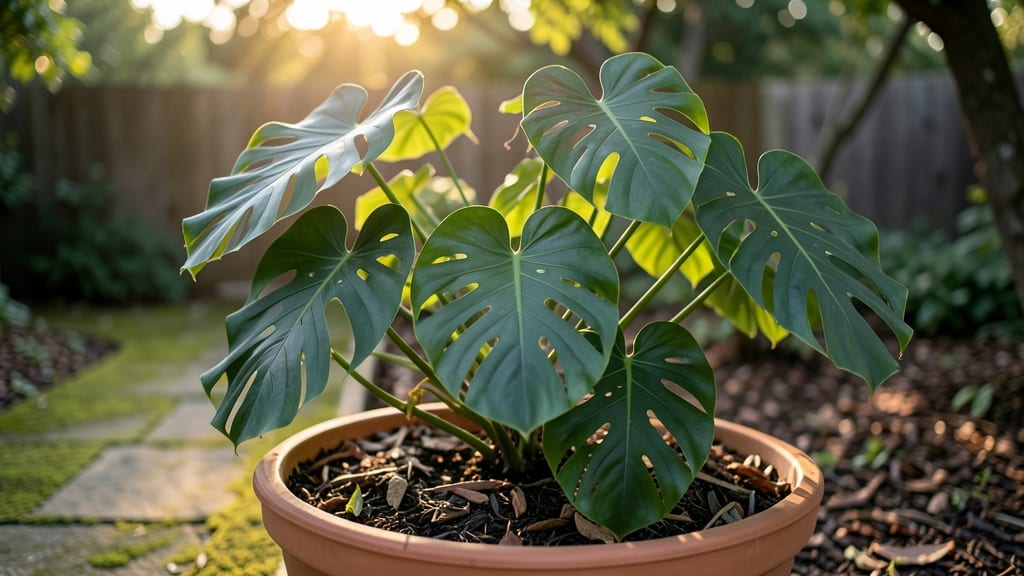
Peppermint leaves pack a punch that spearmint can’t match—three times the menthol, the sharp, icy kick that makes cocktails and desserts unforgettable. 🌿 But spearmint’s sweeter, milder notes win for teas and garnishes where you want subtle freshness.
The difference starts in the soil, sunlight, and how you prune them.
Peppermint thrives in partial shade and moist, rich soil, growing aggressively—sometimes too much—while spearmint tolerates full sun and drier conditions, staying more compact. Both spread easily from cuttings or division, but peppermint’s invasive roots demand containers if you want to keep it in check.
The leaves themselves give it away: peppermint’s are narrower, darker green, and smell like a winter forest when crushed.
For bold flavor, peppermint is your go-to for savory dishes, medicinal remedies, or strong herbal blends. Spearmint shines in delicate teas, fruit salads, or as a garnish that won’t overpower.
Swap them out seasonally—peppermint in winter for warmth, spearmint in summer for brightness—and your garden (and taste buds) will thank you.
Need to tell them apart? Run a leaf between your fingers: peppermint burns your tongue with menthol, while spearmint leaves you with a clean, sweet coolness. Plant both, and you’ll always have the perfect mint for the moment—no guessing required.
The first product explained
Looking to grow your own fragrant mint garden but unsure whether to go for peppermint or spearmint?
Meet Product A: "Bold Mint Harvest Kit"—your all-in-one solution for cultivating these two iconic mint varieties side by side! 🌱✨ This premium kit is designed for both beginners and seasoned gardeners who crave the boldest flavors and the easiest growing experience.
📋 Key Specs & Features
This kit comes packed with everything you need to grow peppermint and spearmint leaves with confidence:
- 2 Organic Seed Packets: One for peppermint (known for its sharp, cooling kick) and one for spearmint (milder, sweeter, and slightly floral).
- Biodegradable Planting Pods: No messy pots—just pop them into the ground or a large container.
- Compostable Grow Mat: Retains moisture and regulates temperature for faster germination.
- Detailed Growing Guide: Step-by-step instructions with pro tips for maximizing flavor and yield.
- Harvesting Tools: Includes a pair of sharp, rust-resistant scissors for clean cuts.
- Storage Container: Keeps dried or fresh leaves fresh for up to 6 months.
🎯 Who Is This For?
This kit is perfect for:
- 🌿 Herbalists & Home Chefs: Elevate teas, cocktails, desserts, and savory dishes with homegrown mint.
- 🏡 Urban Gardeners: Compact design fits balconies, windowsills, or small yards.
- 🧪 Science Enthusiasts: Compare the flavor profiles, growth rates, and pest resistance of peppermint vs. spearmint.
- 💆 Wellness Seekers: Peppermint aids digestion, while spearmint supports hormonal balance—grow both for a dual-purpose herb garden!
💰 Price Point & Value
The Bold Mint Harvest Kit is priced at $29.99, making it an unbeatable deal for:
- A complete growing system (no extra purchases needed!).
- Year-round harvests with proper care (perennial varieties!).
- Cost savings compared to buying fresh mint from stores.
- Educational value—learn the science behind mint cultivation!
Plus, use code MINT20 at checkout for 20% off—because who doesn’t love a little extra flavor (and savings)?
The second product explained
Meet your next minty companion: Spearmint Herb Seeds – Organic & Non-GMO! 🌿✨ If you're craving a sweeter, milder twist on classic mint flavors—think candy, teas, or fresh garnishes—this is your go-to product. Let’s dive into what makes these seeds a must-have for gardeners and flavor enthusiasts alike.
🌱 Specs & Features
- Type: Spearmint (Mentha spicata) – The sweeter, less intense cousin of peppermint.
- Growth Habit: Perennial (comes back year after year!) with a spread of 3–4 feet wide and 1–2 feet tall.
- Sunlight: Thrives in full sun to partial shade (6+ hours of sunlight daily).
- Soil: Prefers moist, well-draining soil with a pH of 6.0–7.0. Tolerates clay but dislikes soggy roots.
- Germination: 14–21 days (keep soil consistently moist during this phase!).
- Harvest Time: Ready in 60–90 days—snip leaves as needed for a continuous supply!
- Organic & Non-GMO: Certified for chemical-free growing (no synthetic pesticides or GMOs).
- Bonus: Deterrent for pests like mosquitoes and ants—nature’s bug spray! 🦟🚫
🎯 Who’s This For?
Spearmint isn’t just for mint lovers—it’s a versatile powerhouse for:
- 🍃 Home gardeners who want a low-maintenance, high-reward herb.
- 🍵 Tea blends & DIYers craving a sweet, aromatic base for iced tea, mojitos, or herbal infusions.
- 🍬 Foodies & bakers adding a gentle minty kick to desserts, sauces, or cocktails (think mint chocolate chip or juleps!).
- 🌿 Natural remedy seekers using spearmint for digestive relief or stress relief (steep fresh leaves in hot water!).
- 🐝 Eco-conscious growers who love pollinator-friendly plants.
💰 Price Point & Value
Priced at $8.99 for a pack of 100+ seeds, this is a steal when you consider:
- 🌱 Perennial growth = years of harvests (no replanting needed!).
- 🍃 Dual-purpose plant (culinary + pest control = double the bang).
- 🌍 Sustainable & organic—no hidden costs for your health or the planet.
- 💡 Pro Tip: Buy in bulk (if available) for even better savings—some sellers offer discounts for larger seed packs!
🔥 Why wait? Whether you’re a mint novice or a seasoned gardener, spearmint’s sweet simplicity and bold versatility make it a game-changer for any herb garden. Ready to grow your own flavor factory? 🌱💚
Head-to-head comparison
Ready to dive into the bold flavor showdown between peppermint and spearmint leaves? 🌿✨ While both mints share a refreshing pedigree, their differences—from taste to uses—can shape your garden (or kitchen!) in unexpected ways.
Below, we break down the key dimensions where these two mints really diverge. Grab your gardening gloves and let’s compare!
🌱 1. Flavor Profile: The Taste Test You Can’t Ignore
If flavor were a sport, peppermint and spearmint would be rivals in the finals. Here’s how they stack up:
- Peppermint: 🔥 Intense, sharp, and icy—think candy canes, toothpaste, and that "cool burn" in your throat. Its high menthol content (up to 50%!) makes it the heavyweight champ of mint flavors. Perfect for bold dishes, cocktails, or when you want to wow your taste buds.
- Spearmint: 🌿 Sweet, grassy, and subtly floral—like a cross between mint gum and a fresh spring breeze. Menthol levels are low (1-5%), so it’s milder and more versatile for everyday use. Ideal for teas, desserts, or anyone who prefers a gentler kick.
Pro Tip: 💡 Mix both in dishes for a balanced flavor—peppermint’s punch + spearmint’s sweetness = magic!
🌿 2. Growing Conditions: Who’s the Easier Gardener’s Friend?
Not all mints thrive in the same soil or climate. Here’s where they differ:
| Factor | Peppermint | Spearmint |
|---|---|---|
| Sunlight | Partial shade to full sun (but avoid scorching in extreme heat). | Partial shade to full sun—more heat-tolerant than peppermint! |
| Soil | Rich, moist, well-draining soil. Hates drought! | Adaptable—thrives in average soil but prefers consistent moisture. |
| Hardiness | Perennial in Zones 5-9; can be invasive if not contained. | Perennial in Zones 3-10—hardier and less likely to spread aggressively. |
| Spread | Aggressive! Use containers or barriers to prevent takeover. | Moderate spread—easier to control in gardens. |
Pro Tip: 🌡️ Peppermint loves cool weather, while spearmint bounces back faster after heatwaves. Pick your fighter based on your climate!
🍃 3. Culinary & Medicinal Uses: Where Do They Shine?
Beyond the garden, these mints have very different superpowers:
- Peppermint:
- 🍹 Bold flavors: Cocktails (mojitos, mint juleps), spicy dishes (lamb, chocolate desserts), and anything needing a "cool" contrast.
- 💊 Medicinal: Soothes digestion, relieves headaches, and boosts energy (thanks to menthol!).
- 🚫 Warning: Avoid in large amounts if you have acid reflux—it can trigger symptoms.
- Spearmint:
- 🍵 Everyday uses: Teas (especially moroccan mint tea!), fruit salads, yogurt, and light desserts like sorbet.
- 💪 Medicinal: Eases nausea, freshens breath, and may lower blood sugar (studies suggest!).
- 👶 Kid-friendly: Milder taste makes it safer for children (but still introduce in moderation).
Pro Tip: ✨ Peppermint = dramatic flavor; spearmint = subtle elegance. Choose based on the vibe you’re going for!
💰 4. Cost & Availability: Which Mint Wins Your Wallet?
If you’re buying from stores or growing from seed, costs (and convenience) vary:
| Factor | Peppermint | Spearmint |
|---|---|---|
| Seed Cost | $2–$5 per packet (easy to find). | $1–$4 per packet (often cheaper and more widely available). |
| Plant Cost | $3–$6 per plant (harder to find; often sold as "mint" mixes). | $2–$5 per plant (common in garden centers). |
| Harvest Yield | High! But aggressive spread may require more maintenance. | Moderate—easier to harvest sustainably without overrunning your garden. |
| Dried Leaves | More expensive ($8–$15/oz for pure peppermint). | Cheaper ($5–$10/oz; often sold as "mint" in bulk). |
Pro Tip: 🎯 Grow your own to save money—both mints are perennials and multiply fast! Start with spearmint if you’re a beginner.
🌱 5. Maintenance & Longevity: Which Mint Stays Stronger?
Peppermint and spearmint have very different lifespans and care needs:
- Peppermint:
- ⏳ Lifespan: 3–5 years in ideal conditions (but often dies back in harsh winters).
- 🔪 Pruning: Needs regular trimming to prevent woody stems and control spread.
- 🚫 Challenges: Prone to powdery mildew in humid climates; divide roots every 2 years.
- Spearmint:
Which one should you choose?
So, which mint reigns supreme in your garden—or your kitchen? The choice between peppermint leaves and spearmint leaves depends entirely on your goals, whether they’re culinary, medicinal, or just aesthetic. Here’s a quick verdict to help you decide:
🌿 Pick Peppermint If...
- You crave bold, refreshing flavor: Peppermint’s intense, sharp taste is perfect for candies, teas, and cocktails where you want that signature "pepperminty" kick. 🍬☕
- Digestive relief is your priority: Its high menthol content makes it a powerhouse for soothing upset stomachs and reducing nausea. 💪🍃
- You’re okay with invasiveness: Peppermint spreads aggressively—ideal if you want a low-maintenance, high-impact ground cover (but be warned: it’s a garden bully!). ⚠️🌱
- You love versatility: Beyond flavor, it’s great for repelling pests, freshening breath, and even DIY skincare. ✨🧴
🍃 Pick Spearmint If...
- You prefer a milder, sweeter taste: Spearmint’s gentler profile shines in desserts, salads, and Middle Eastern dishes like tabbouleh. 🥗🍰
- You want a cleaner, less aggressive plant: Spearmint stays contained (mostly) and is easier to manage in smaller spaces. 🏡🌿
- Medicinal benefits matter (but subtly):strong> While still soothing, spearmint is gentler on sensitive stomachs and often preferred for respiratory relief. 🤧🌿
- You’re growing for bees or pollinators: Spearmint’s flowers attract more pollinators than peppermint’s sparse blooms. 🐝🌼
💡 Pro Tip for Hybrid Growers:
If you’re torn, why not try both?
Plant them in separate containers or beds to experiment with flavors and uses. Just keep peppermint in check—it’ll take over if you let it! For a middle-ground option, consider apple mint or chocolate mint, which offer unique twists on the classic mint experience. 🍎🍫
🚫 When to Avoid:
- Avoid peppermint if you’re sensitive to strong menthol or have acid reflux (it can trigger heartburn in some).
- Avoid spearmint if you’re allergic to mint family plants (test a small amount first!).
Ultimately, there’s no wrong choice—just the right one for your needs. Whether you’re whipping up a minty mojito, brewing a calming tea, or just adding greenery to your patio, both varieties bring something special to the table. Happy growing! 🌱💚