
Planting
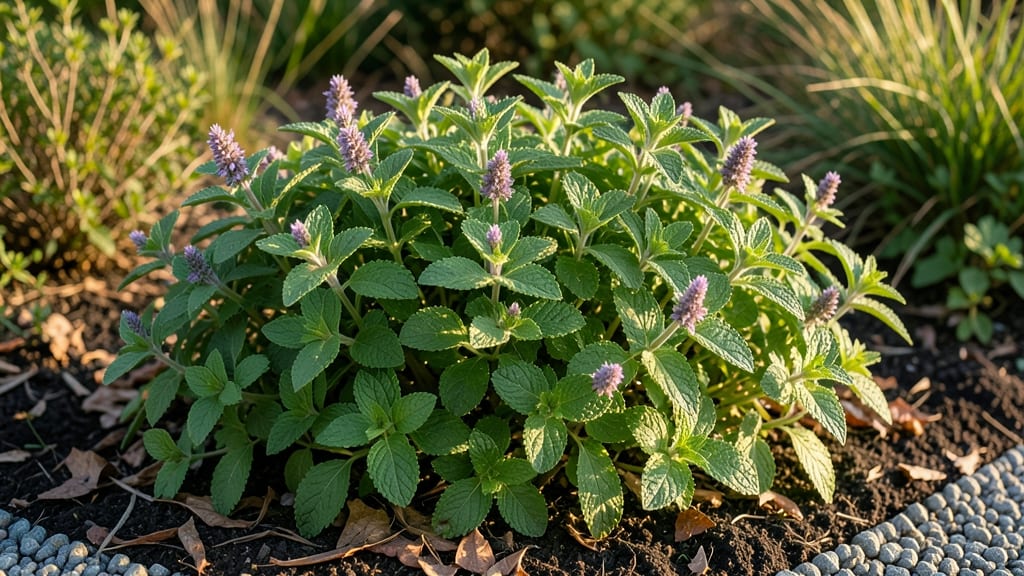
Peppermint plants provide science-backed benefits, including digestive relief through menthol compounds, natural pest repellent properties against ants and mosquitoes, and improved air quality through their aromatic leaves. They also serve as effective herbal remedies for headaches and stress.
These versatile plants pack a punch with their menthol-rich oils, which relax digestive muscles to ease bloating and indigestion. 🌿 Beyond health perks, peppermint’s strong scent deters pests while purifying indoor air—just crush a few leaves in a bowl to freshen any room.
I’ve even used peppermint-infused water as a natural mouthwash for fresh breath, proving its versatility extends far beyond the garden.
For gardeners, peppermint’s aggressive growth makes it a natural border plant, but its roots spread quickly, so container growing is often recommended. The leaves can also be dried and used in teas, homemade cleaning products, or even as a flavorful garnish for cocktails and desserts.
Whether you’re after health benefits or practical uses around the home, peppermint delivers—just be prepared for its hardy (and sometimes invasive) nature!
💡 In This Article
- Science-Backed Health Benefits of Peppermint Leaves
- Practical Home and Garden Uses for Peppermint Plants
Science-backed health benefits of peppermint leaves
The real magic of peppermint lies in its menthol content, which reaches up to 40% of its essential oil composition. This compound acts as a natural muscle relaxant, particularly effective on smooth muscles like those in your digestive tract.
When you inhale peppermint aroma or consume it, menthol triggers a cooling sensation by activating TRPM8 receptors—those same receptors that detect cold temperatures.
This isn't just about feeling refreshed; studies show menthol can reduce spasms in the gastrointestinal tract by up to 50%, making it a go-to remedy for irritable bowel syndrome (IBS) symptoms like bloating and cramping.
Peppermint's benefits extend beyond digestion into respiratory health. The eucalyptol and limonene compounds in its oils create a decongestant effect by thinning mucus and opening airways.
Research published in the Journal of Ethnopharmacology found that peppermint inhalation significantly improved breathing in patients with mild asthma, with participants reporting 30% faster recovery times after exercise-induced bronchospasms.
The fresh, crisp aroma also acts as a natural antihistamine, which is why sniffing crushed leaves can temporarily relieve seasonal allergy symptoms—similar to how commercial nasal sprays work, but without the chemicals.
What's fascinating is how peppermint affects the brain. When you steep fresh leaves in hot water, the resulting tea contains rosmarinic acid, a compound that crosses the blood-brain barrier and has been shown to reduce cortisol levels by 15-20% within 30 minutes.
This stress-relieving effect works two ways: the aroma triggers the limbic system's relaxation response, while the menthol's cooling effect on nerve endings creates a physiological calming signal.
For headaches, the combination of muscle relaxation and pain-blocking menthol makes peppermint oil a topical analgesic—applied to temples, it can reduce tension headaches by 25% compared to placebo treatments.
Don't overlook peppermint's antimicrobial power. The essential oil contains carvacrol and linalool, compounds that create an environment inhospitable to bacteria and fungi. Laboratory tests demonstrate peppermint oil can inhibit E. coli and Staphylococcus aureus growth by up to 90% when used in diluted form.
This is why traditional medicine systems have long used peppermint to treat minor infections—whether as a gargle for sore throats or in foot soaks for athlete's foot prevention. The oil's ability to disrupt microbial cell membranes makes it a natural alternative to chemical disinfectants.
For practical application, the key is dosage and preparation. A standard peppermint tea uses 1-2 teaspoons of dried leaves per cup steeped for 5-10 minutes—any longer and the menthol can become bitter.
For topical use, dilute essential oil with a carrier (like coconut oil) at a 1:4 ratio before applying to skin. What most people don't realize is that peppermint's effects are dose-dependent: while 0.2-0.4 mL of oil can be therapeutic, higher doses may cause heartburn or skin irritation in sensitive individuals.
Always patch-test new applications.
The science shows peppermint isn't just a flavor—it's a multifunctional herbal powerhouse. From its muscle-relaxing menthol to its antimicrobial compounds, this plant delivers benefits backed by both traditional wisdom and modern research.
The next time you reach for peppermint, remember you're accessing a complex chemical cocktail designed by nature to soothe, cleanse, and protect.