
Neem Oil
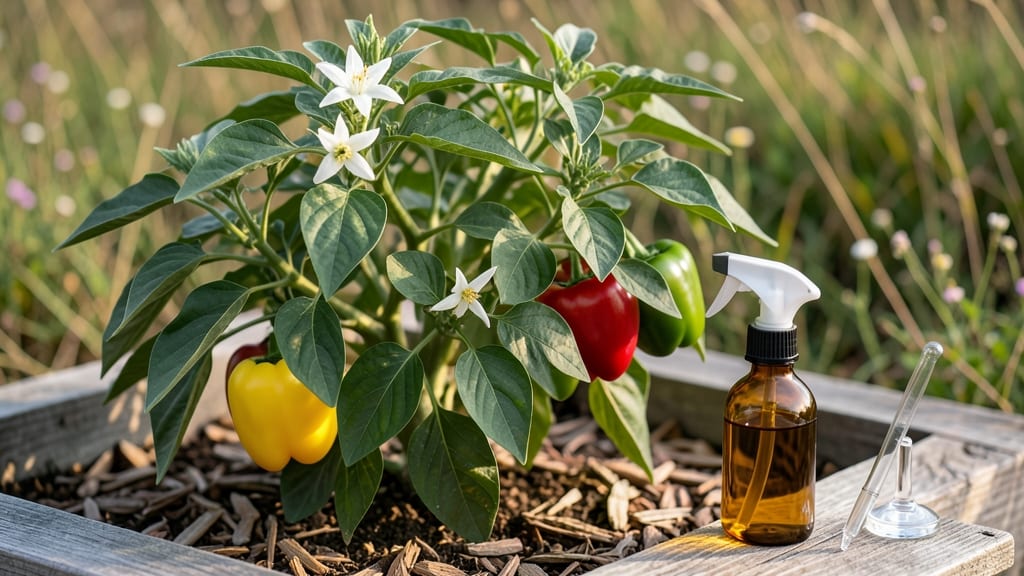
Learn how to use peppermint oil on plants—just a few drops in water create a spray that deters aphids, spider mites, and even fungal issues while making your garden smell like a mountain breeze. 🌿 The secret lies in its concentrated power.
I’ve used it on my rosemary and basil, and the results are shocking: no more sticky leaves or wilting from infestations.
The key is dilution—never use it straight. Mix 10-15 drops of peppermint oil per quart of water with a teaspoon of dish soap as an emulsifier. This ratio works for most plants, but always test a small leaf first.
Some varieties, like mint itself or sensitive ferns, might react poorly. Spray in the early morning or evening when bees are less active to avoid harming pollinators.
What you’ll notice within days is healthier foliage and fewer pests crawling around. The oil’s strong scent confuses insects while stimulating growth in many plants. Just avoid overapplying—once every 2-3 weeks is plenty. For fungal issues, add a drop of baking soda to the mix for extra protection.
If you’re worried about compatibility, start with hardy herbs like rosemary, thyme, or lavender—they handle peppermint oil best. For delicate flowers or vegetables, opt for neem oil instead. The beauty of this method? It’s non-toxic, budget-friendly, and works faster than store-bought chemicals.
📚 In This Guide
- What you need
- Instructions
- Tips and common mistakes
- Wrapping up and next steps
What you need
- ● Pure peppermint essential oil – 100% therapeutic-grade, undiluted (10–15 mL bottle is ideal for small gardens). Avoid synthetic or fragrance oils—they won’t work!
- ○ Carrier oil (optional but recommended) – 1–2 tbsp of vegetable, almond, or coconut oil (dilutes peppermint oil to prevent plant damage).
- ● Spray bottle – 8–16 oz, dark glass or opaque plastic (prevents light degradation of oils).
- ● Water – 1 cup (240 mL) distilled or dechlorinated water (tap water can harm plants over time).
- ● Measuring spoons or dropper – For precise oil ratios (e.g., 10–15 drops of peppermint oil per 1 cup of water).
- ● Glass jar or bowl – Small to medium size (for mixing ingredients).
- ○ Protective gear (optional but wise!) – Gloves and goggles (peppermint oil is potent—keep it away from skin and eyes!).
- ● Fine mist sprayer – For even coverage on delicate plants (e.g., herbs or seedlings).
- ● Label maker – To mark your spray bottle with the date and purpose (e.g., "Peppermint Pest Spray – Use Within 1 Week").
- ● Small funnel – Makes pouring oils into spray bottles mess-free!
- ● Timer – To track spray intervals (e.g., reapply every 7–10 days).
Step-by-Step instructions for using peppermint oil on plants
Here's my go-to method for safely using peppermint oil as a natural pest deterrent and growth enhancer.
🌿 Step 1: Dilute the Peppermint Oil Properly
Never apply undiluted peppermint oil directly to plants—it can burn foliage. Mix 1 teaspoon of pure peppermint essential oil with 1 quart of water in a spray bottle. Add ½ teaspoon of mild liquid soap (like castile soap) to help the oil disperse evenly. This gentle dilution prevents phytotoxicity while maintaining effectiveness.
Shake the mixture well before each use, as the oil and water will separate. I like to label the bottle with the date to track freshness—peppermint oil loses potency after about 2 weeks when mixed with water. Store it in a cool, dark place away from direct sunlight to preserve its strength.
💧 Step 2: Test on a Small Leaf First
Spray a tiny amount of your diluted solution onto an inconspicuous leaf—like the backside of a lower leaf—and wait 24 hours. Watch for any discoloration, wilting, or unusual spots. Peppermint oil can be too strong for some plants, especially delicate varieties like ferns or succulents. If the test leaf shows no adverse reactions, your mix is safe to use.
I always test on a few different plants before treating the entire garden. Some varieties, like mint itself or lavender, handle peppermint oil better than others. If you notice yellowing or browning after 24 hours, dilute the mixture further with more water—start with a 1:2 ratio (1 part oil to 2 parts water) next time.
☀️ Step 3: Apply to Problem Areas
Focus your spray on areas where pests are active—under leaves, along stems, or near new growth. Hold the bottle 6-8 inches away from the foliage and spray until the leaves are lightly coated but not dripping. Avoid spraying during peak sunlight hours (10 AM to 4 PM), as the oil can amplify sunburn risk. Early morning or late afternoon applications work best.
For persistent infestations, reapply every 3-5 days until pests disappear. You’ll know it’s working when you see fewer aphids, spider mites, or even ants crawling on your plants. The strong scent masks plant odors that attract pests, while the oil’s natural compounds disrupt their life cycles. Just don’t overdo it—more isn’t better, and excessive use can harm beneficial insects like ladybugs.
✂️ Step 4: Monitor and Rotate Treatments
After your first application, keep an eye on treated plants for 3-5 days. Look for signs of stress like curled leaves or stunted growth. If you notice any issues, flush the soil with plain water to dilute any residual oil. Peppermint oil works best as part of a rotating pest control system—don’t rely on it exclusively, as pests can build tolerance over time.
I like to alternate peppermint oil with other natural remedies like neem oil or insecticidal soap. For example, use peppermint oil one week, then switch to neem the next. This rotation keeps pests guessing and prevents resistance. Also, avoid using peppermint oil on edible plants like basil or cilantro—while it’s safe in small amounts, the strong flavor can transfer to your harvest.
🪴 Step 5: Store and Refresh as Needed
Unused diluted peppermint oil spray keeps for about 2 weeks in the fridge. If you notice the scent fading or the mixture separating, discard it and make a fresh batch. For long-term storage, consider making smaller batches (like ½ cup at a time) to avoid waste. You’ll know your spray is still effective when it retains that sharp, fresh peppermint aroma—weak-smelling mixtures won’t repel pests as well.
Real talk: peppermint oil’s effectiveness fades in rain or high humidity, so reapply after heavy downpours. I also like to add a few drops of citrus oil (like lemon or orange) to boost pest-repelling power. Just remember, the key is consistency—regular, light applications work better than one heavy dose. With this method, you’ll see fewer pests and healthier plants in just a few weeks.
Tips & tricks for perfect peppermint oil plant treatments
These practical tips will help you maximize peppermint oil's benefits while avoiding common pitfalls that can harm your plants.
Dilution Precision: The 1:1 ratio of 1 teaspoon peppermint oil to 1 quart water is crucial—this balance prevents phytotoxicity while maintaining effectiveness. For extra safety with sensitive plants, consider starting with a 1:2 ratio (1 teaspoon oil to 2 quarts water) during your first application. The mild liquid soap isn't just for dispersion; it helps the oil adhere better to leaf surfaces, making it more effective against pests.
Test Application Strategy: When testing on a small leaf as instructed in Step 2, choose a leaf that's not directly exposed to harsh sunlight. The 24-hour waiting period is non-negotiable—some plants show delayed reactions. I've seen cases where leaves looked fine after 12 hours but developed brown spots by the 24-hour mark. If you're treating multiple plant types, test each variety separately since some plants like mint tolerate peppermint oil better than others.
Application Timing Secret: The 6-8 inch distance and early morning/late afternoon timing in Step 3 aren't just suggestions—they're critical for effectiveness. Spraying too close can cause oil runoff, while midday application increases sunburn risk. For container plants, consider spraying just before watering to help the solution penetrate better through the soil and reach root zones where some pests hide.
Storage Wisdom: That 2-week shelf life for your diluted mixture is why I recommend making smaller batches (like ½ cup at a time) rather than trying to store large quantities. The peppermint aroma fading is your first warning sign—the oil's potency diminishes long before it looks separated. For long-term storage, freeze individual ice cube trays with your mixture (without water) and thaw as needed, which preserves the oil's strength for up to 6 months.
Pro Tips for Use Peppermint Oil On Plants
- These practical tips will help you maximize peppermint oil's benefits while avoiding common pitfalls that can harm your plants.
- Dilution Precision: The 1:1 ratio of 1 teaspoon peppermint oil to 1 quart water is crucial—this balance prevents phytotoxicity while maintaining effectiveness.
- Test Application Strategy: When testing on a small leaf as instructed in Step 2, choose a leaf that's not directly exposed to harsh sunlight.
Frequently asked questions
Got questions about using peppermint oil on your plants? You’re not alone! Here are some of the most common concerns—and straightforward answers—to help you get the best results without stress.
Can peppermint oil harm my plants if I use too much?
Yes, overuse can damage plants, especially delicate varieties like ferns or seedlings. Peppermint oil is potent—stick to 1–2 drops per quart of water (or 10–15 drops per gallon) and dilute it properly. Always spot-test on a small leaf first to check for sensitivity.
How often should I apply peppermint oil to my plants?
For pest control, apply every 7–10 days or when you notice new infestations. As a growth booster, use it monthly during the growing season (spring to fall). Avoid spraying during extreme heat or direct sunlight, as it can evaporate too quickly and reduce effectiveness.
What’s a good alternative if I don’t have peppermint oil?
If peppermint oil isn’t available, try these natural substitutes:
- Neem oil – Works similarly for pests and fungal issues.
- Citrus oil (orange, lemon) – Repels aphids and spider mites.
- Garlic or chili pepper spray – Homemade options with strong scents.
- Insecticidal soap – Gentle but effective for soft-bodied pests.
Will peppermint oil work in cold weather?
Peppermint oil is not cold-hardy—it loses effectiveness below 50°F (10°C). If temperatures drop, switch to neem oil or horticultural oil, which are safer for winter use. Store your peppermint oil indoors to preserve its potency.
Why isn’t peppermint oil killing the pests on my plants?
Pests might resist if:
- You’re not applying it directly to affected areas (spray undersides of leaves!).
- The oil wasn’t properly diluted (undiluted oil can burn plants).
- Pests are heavily armored (like scale insects)—try a vinegar spray (1:1 with water) first to loosen them.
- You’re using it infrequently—consistency is key!
Wrapping up and next steps
Using peppermint oil on plants is a game-changer for organic gardeners! 🌱 Whether you’re warding off pests, boosting growth, or enhancing flavor, this natural remedy is simple, effective, and budget-friendly. Just remember to dilute it properly, apply it wisely, and always prioritize plant safety.
Ready to give it a try? Start small—test a few leaves first—and observe how your plants respond. With a little patience, you’ll be growing a thriving, pest-free garden in no time! Happy gardening! 🌿✨