
Vegetables
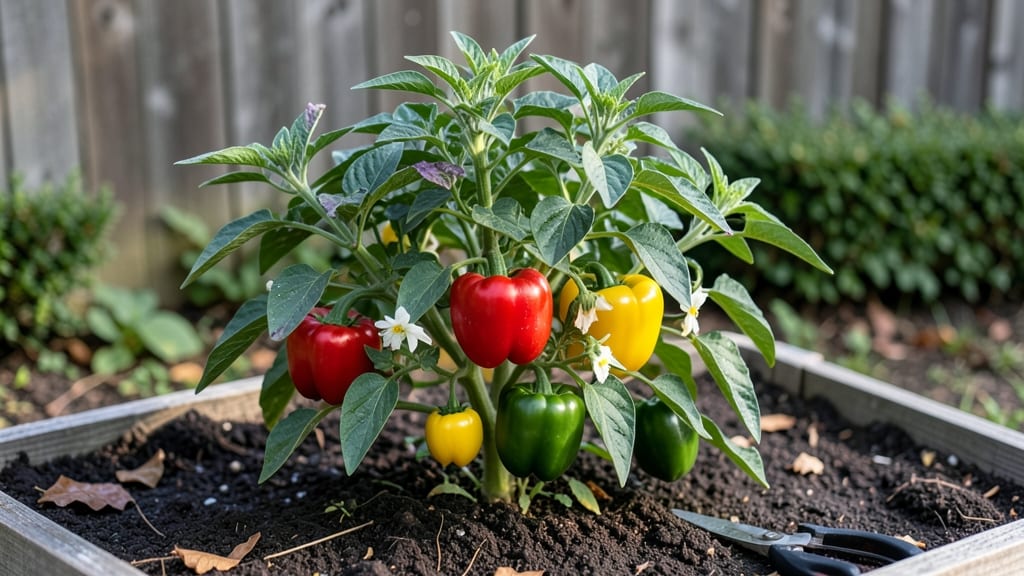
Peppers and cold springs are a match made in frustration—until you know the tricks. 🌱 I’ve lost count of the seedlings I’ve watched wilt under late frosts, but these days, I start with varieties that shrug off chilly soil and a little frost protection.
The secret isn’t just timing; it’s choosing the right peppers and giving them a fighting chance from day one.
Cold springs demand a game plan: start seeds indoors 6-8 weeks before your last frost, use heat mats if needed, and pick varieties like ‘Arctic Flame’ or ‘Carolina Wonder’ that tolerate cooler temps.
Even then, young plants need protection—row covers, cloches, or a simple blanket at night can mean the difference between a thriving transplant and a sad, crispy loss.
Once the soil warms to 60°F, your peppers will reward you with strong roots and steady growth. By midsummer, you’ll be harvesting peppers that started life in a chilly spring—earlier than neighbors who planted too soon.
The key is patience and the right prep; no more tossing seedlings into cold soil and hoping for the best.
This works for any climate with late frosts, from the Pacific Northwest to the Midwest. Whether you’re a first-timer or a veteran gardener, these strategies turn cold springs from a problem into an opportunity for an early harvest. Let’s get those peppers growing!
The Science Behind Spring Chill
Cold snaps in spring can leave gardeners frustrated—especially when peppers, which thrive in warmth, seem to struggle. Understanding the root causes helps you take precise action to protect your plants. Here’s why chilly early seasons disrupt pepper growth and how to counteract it.
Peppers (Capsicum spp.) are tropical plants that cannot tolerate frost (below 32°F/0°C) and grow best in soil temperatures above 60°F (15°C). When exposed to cold spring conditions—whether from lingering frost or unexpected dips—several physiological issues arise:
- Enzyme Disruption: Cold temperatures slow down cellular respiration, halting energy production.
Peppers rely on enzymes like ATP synthase to convert sugars into usable energy; below 50°F (10°C), these enzymes become sluggish, stunting growth or killing young seedlings. - Cell Membrane Damage: Pepper cells contain unsaturated fats in their membranes, which remain fluid in warmth but solidify in cold, rupturing cell walls.
This causes chilling injury, visible as blackened leaves, wilting, or stunted stems. - Hormonal Imbalance: Cold stress triggers an overproduction of abscisic acid (ABA), a plant hormone that signals drought or stress responses.
High ABA levels inhibit growth hormones (auxins) and can even prompt premature flower drop or fruit abortion.
Actionable Fix: Use row covers, cold frames, or black plastic mulch to raise soil temps by 5–10°F (3–6°C). For extreme cold, transplant peppers after the last frost date (typically when nighttime temps stay above 50°F/10°C).
Peppers need well-draining, warm soil to establish roots quickly. If soil is too wet, compacted, or nutrient-deficient before planting, cold spring conditions worsen the problem:
- Cold Soil Delays Germination: Seeds require consistent warmth (70–90°F/21–32°C) to sprout. In cold soil, seeds may rot or stay dormant for weeks, giving frost more time to strike. - Nutrient Lockout: Cold slows microbial activity, reducing nitrogen availability.
Peppers need readily accessible nitrogen for leaf growth; without it, they become yellow (chlorotic) and weak. - Waterlogged Roots: Excess moisture in cold soil reduces oxygen around roots, leading to root rot (Pythium or Phytophthora). Healthy roots are essential for absorbing warmth from deeper soil layers.
Actionable Fix:
- Test soil temperature with a soil thermometer (aim for 65°F+/18°C+ before planting).
- Amend soil with compost or aged manure 2–4 weeks before planting to boost microbial activity.
- Plant in raised beds or mounded soil to improve drainage and warmth retention.
Rushing peppers into the ground too early is a common mistake that invites cold damage. Here’s why timing matters:
- Immature Root Systems: Seedlings grown indoors develop shallow, delicate roots. When transplanted into cold soil, they can’t absorb enough water or nutrients, leading to wilting or death. - Slow Acclimation: Peppers need 7–10 days to adjust to outdoor conditions (hardening off).
Cold snaps during this period cause transplant shock, where leaves turn yellow or brown and growth halts. - Frost Exposure: Even light frost (28–32°F/-2 to 0°C) can kill young peppers. Their tender leaves lack the waxy cuticle of mature plants to retain heat.
Actionable Fix:
- Wait until nighttime temps are consistently above 50°F (10°C) before transplanting.
- Use black plastic mulch 1–2 weeks before planting to warm soil faster.
- Choose cold-tolerant varieties (e.g., ‘Early Jalapeño’, ‘Carolina Wonder’, or ‘NuMex Sandia’) that can handle brief dips to 40°F (4°C).
Cold air moves freely, and peppers—especially young ones—are vulnerable to wind chill and radiation frost (when heat escapes from the ground at night). Without protection:
- Wind Chill Amplifies Cold: A 5 mph wind can make 40°F (4°C) feel like 30°F (-1°C), damaging peppers even if the air temp isn’t extreme.
- Radiation Frost Burns: On clear nights, peppers lose heat rapidly. Leaves may develop brown, papery patches from freeze damage.
- Reduced Photosynthesis: Cold, cloudy days limit sunlight, starving peppers of energy needed for recovery.
Actionable Fix:
- Install windbreaks (e.g., burlap screens, straw bales) to reduce wind exposure.
- Use row covers (floating or low-tunnel) to trap heat and raise temps by 5–8°F (3–4°C).
- Plant in sheltered spots (e.g., south-facing walls, near fences) to maximize sun exposure.
Not all peppers are created equal when it comes to cold tolerance. Some varieties simply can’t handle spring’s unpredictability:
- Tropical Varieties Struggle: Bell peppers, habaneros, and most hot peppers originate from warm climates and cannot survive below 50°F (10°C).
- Slow Starters: Some peppers (e.g., ‘Big Jim’ bell peppers) take longer to mature and are more vulnerable to early cold snaps.
- Short Season Risks: In Zone 5–7, planting late-maturing varieties (e.g., ‘Gypsy’ peppers) too early means they may never produce fruit before fall frost.
Actionable Fix:
- Choose early-maturing, cold-hardy varieties like:
- ‘Early California Wonder’ (matures in 60 days)
- ‘Jupiter’ bell pepper (tolerates brief dips to 40°F/4°C)
- ‘Aristotle’ pepper (resistant to chilling injury)
- Extend the season with greenhouses or hoop tunnels if your spring is particularly cold.
Water has a high heat capacity, meaning it absorbs and retains heat—but too much can drown peppers when temps drop:
- Cold Soil + Excess Water = Root Suffocation: Peppers need well-aerated soil to grow.
Overwatering in cold weather reduces oxygen, leading to root rot (Phytophthora or Pythium). - Foliar Frost Risk: Wet leaves freeze more easily than dry ones, causing ice crystals to form and cell damage. - Nutrient Leaching: Cold soil locks up nutrients, and overwatering washes them away before peppers can absorb them.
Actionable Fix:
- Water deeply but infrequently—once a week (unless rain occurs) to avoid soggy soil.
- Water in the morning so foliage dries before nighttime cold.
- Use drip irrigation to keep water away from leaves and direct it to roots.
Peppers prefer slightly acidic to neutral soil (pH 6.0–6.8). When soil pH is off in cold conditions, nutrient uptake grinds to a halt:
- Aluminum Toxicity: In acidic soil (pH < 5.5), cold stress increases aluminum solubility, poisoning roots.
- Calcium Deficiency: Cold soil reduces calcium availability, leading to blossom-end rot (even in mature plants) and weak stems.
- Micronutrient Lockout: Iron, manganese, and zinc become less available in cold, alkaline soil (pH > 7.0), causing yellowing between leaf veins (interveinal chlorosis).
Actionable Fix:
- Test soil pH before planting and amend with lime (to raise pH) or sulfur (to lower pH) as needed.
- Apply compost tea or fish emulsion to boost microbial activity,
Rescue Your Peppers Early
Cold snaps in spring can turn your pepper dreams into a frosty nightmare—but don’t panic! With the right moves, you can salvage your plants, protect future growth, and even prevent future chills from ruining your harvest.
Below, we break down practical fixes for common cold-spring pepper problems, from wilted leaves to stunted growth, plus prevention tips to keep your garden thriving.
If your pepper plants look crispy or blackened after a cold snap, they’ve suffered frost damage—but they might still recover!
What to Do:
- 🔥 Trim the Damage: Use sterilized scissors to snip off any blackened or mushy leaves.
This helps the plant focus energy on healthy growth. - 🌡️ Warmth Up: Move pots (if potted) to a sunny, sheltered spot or cover them with a frost blanket during the day.
At night, use a cloche or row cover to trap heat. - 💧 Hydrate Gently: Water only the soil (not leaves) to avoid further stress. Let the soil dry slightly between waterings to prevent rot.
💡 Prevention Tip:
- Start late varieties indoors (60–70 days before last frost) so they’re hardier by the time spring chill hits.
- Choose cold-tolerant varieties like ‘Early Jalepeño,’ ‘Carolina Wonder,’ or ‘Arpad F1’—they bounce back better.
If your peppers are slow to grow or leaves turn pale yellow, they’re struggling with chronic cold stress rather than outright frost.
What to Do:
- 👨🍳 Boost Nutrients: Feed with a balanced fertilizer (10-10-10) or compost tea to help recovery.
Avoid high-nitrogen fertilizers—they stress plants further. - 🌿 Mulch for Insulation: Apply 2–3 inches of straw or shredded leaves around the base to retain soil warmth and prevent temperature swings. - 🌞 Extend the Season: Use black plastic mulch or heat-absorbing fabric to warm the soil faster.
💡 Prevention Tip:
- Wait for soil temps to hit at least 60°F (15°C) before transplanting—cold soil stunts roots.
- Use row covers for 2–3 weeks post-transplant to give young plants a heat shield.
Cold snaps shock pepper flowers, causing them to fall off before fruiting. This is frustrating—but fixable!
What to Do:
- 🍳 Hand-Pollinate: Use a small paintbrush to transfer pollen from male to female flowers (the female has a tiny pepper bump at the base).
- 🔥 Warmth Trick: Place a clear plastic bottle (cut in half) over clusters of flowers to create a mini greenhouse effect.
- 🌡️ Wait for Stability: Peppers won’t set fruit in temps below 55°F (13°C).
Wait until nights stay consistently above 60°F (15°C).
💡 Prevention Tip:
- Choose heat-loving varieties like ‘NuMex Sandia’ or ‘Lunchbox’—they handle brief chills better.
- Plant in raised beds—they warm up faster than ground soil.
If you’re starting seeds indoors or outdoors and they’re lingering or rotting, the soil’s too cold.
What to Do: - ⏰ Wait It Out: Peppers won’t germinate below 60°F (15°C).
Use a seedling heat mat if starting indoors. - 🥘 Speed Up Warmth: Fill black pots with water, bury them in soil, and cover with plastic—this traps heat for faster germination. - 🌱 Transplant Later: If outdoor soil is still cold, keep seedlings indoors until night temps stay above 55°F (13°C).
💡 Prevention Tip:
- Use a cold frame or mini greenhouse to jumpstart germination in early spring.
- Test soil temp with a thermometer—aim for 70–80°F (21–27°C) for best results.
Once your peppers are established, prevent future chills with these low-effort strategies:
| Problem | Solution | Prevention Hack |
|---|---|---|
| Late frosts | Use row covers or cloches | Plant after the last frost date. |
| Slow soil warming | Black plastic mulch | Choose south-facing beds for sun. |
| Nighttime drops | Windbreaks (burlap, straw bales) | Mulch heavily to insulate roots. |
| Weak seedlings | Start in peat pots (transplant with roots intact) | Use heat mats for early starts. |
Final Pro Tip: 🎯 Monitor weather forecasts and have frost blankets ready—acting fast can save your entire harvest! With these fixes, your peppers will bounce back stronger and reward you with juicy, homegrown heat all season long.
Frequently asked questions
What are the best cold-tolerant pepper varieties for late spring planting?
For chilly springs, opt for varieties like ‘Arctic Flame’ (tolerates 40°F/4°C), ‘Carolina Wonder’ (early producer), or ‘NuMex Sandia’ (handles brief cold snaps). These varieties mature faster and bounce back better than tropical types like bell peppers.
How can I protect young pepper plants from unexpected cold snaps?
Use row covers or frost blankets to raise temperatures by 5–8°F (3–4°C). For extreme cold, create a mini greenhouse with plastic bottles or cloches. Always water at the base in the morning to prevent frost damage on leaves.
When is the ideal time to transplant peppers in a cold spring?
Wait until nighttime temperatures are consistently above 50°F (10°C) and soil reaches 60°F (15°C). Use a soil thermometer to check—cold soil stunts root growth. Transplant in the late afternoon for a smoother transition.
What should I do if my pepper seedlings get frost damage?
Trim blackened leaves with sterilized scissors and move plants to a sunny, sheltered spot. Cover with a frost blanket at night and avoid watering leaves. Most peppers recover if roots stay healthy—focus on warmth and patience.
Can I start pepper seeds directly in cold spring soil?
No—pepper seeds need 70–90°F (21–32°C) soil to germinate. Start seeds indoors 6–8 weeks before last frost or use a seedling heat mat. If planting outdoors, wait for soil to warm naturally or use black plastic mulch to speed it up.