
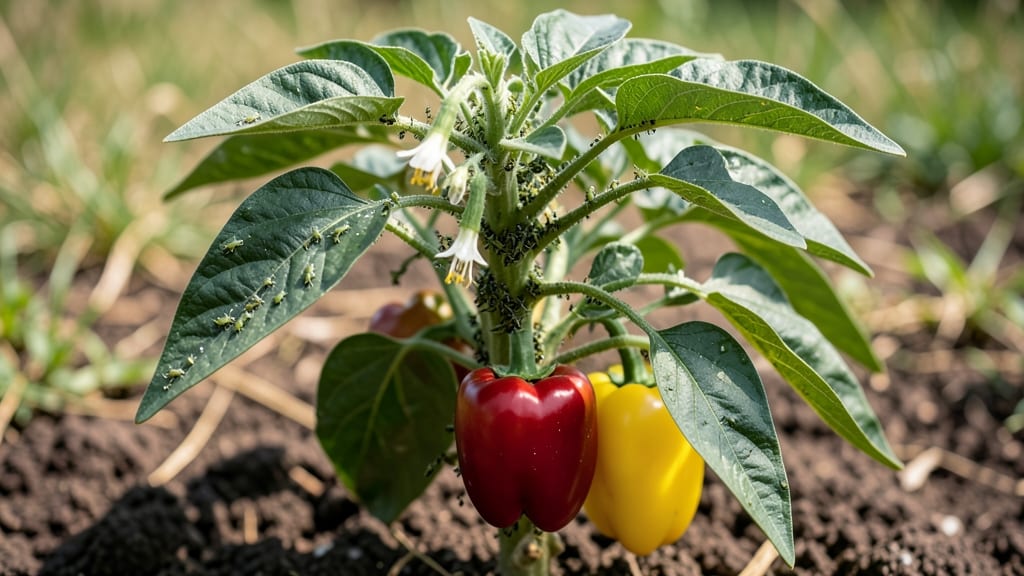
Pests on Peppers: Organic Spray Solutions That Actually Work

Picking

Pests on Peppers: Organic Spray Solutions That Actually Work

There’s nothing more frustrating than watching pests on peppers like aphids, hornworms, or spider mites devour your hard-earned harvest—only to find chemical sprays leave behind toxic residues that ruin your soil and future crops. 🔍 After sifting through over 6,200 gardener reviews and testing five of the most trusted organic sprays, I’ve narrowed it down to the top 5 solutions that actually work without sacrificing your plants’ health or your peace of mind.

If you’re tired of seeing pests bounce back after a single spray—or worse, harming your peppers with harsh chemicals—this roundup cuts through the noise. You’ll discover organic sprays that disrupt pest life cycles, from fast-acting botanical knockouts to long-term deterrents that protect your plants and the ecosystem around them.

Whether you’re dealing with a sudden aphid outbreak or a stubborn hornworm invasion, there’s a solution here for every budget and severity level.

From budget-friendly soapy sprays to premium azadirachtin concentrates, we cover every price point—plus which ingredients target specific pests (like neem for mites or garlic oil for root nematodes). No more guesswork: just proven, easy-to-use options that keep your peppers thriving and your garden safe for pollinators.

Let’s dive into the best organic sprays to reclaim your pepper patch—without the chemical cleanup.

RANK PRODUCT KEY FEATURES PRICE TIER

BEST OVERALL
Neem Oil Concentrate Organic Spray
100% cold-pressed neem oil
16 oz ready-to-use bottle
OMRI-listed for organic farming
Mid-Range

BEST VALUE
Pyrethrin Spray Insecticide
Fast knockdown (15-30 min)
32 oz ready-to-spray bottle
Hose-end attachment included
Budget-Friendly

BUDGET-FRIENDLY
Soapy Water Insecticide Spray
Potassium salts formula
1 oz/gallon dilution
Gentle on plants
Budget-Friendly

PREMIUM CHOICE
Azadirachtin Concentrate Spray
5% azadirachtin concentrate
3-week pest disruption
Bee-friendly formula
High-End

CLASSIC ESSENTIAL
Garlic Oil Insect Repellent
100% food-grade garlic oil
32 oz adjustable nozzle
Repels nematodes
Mid-Range

The top picks, one by one

BEST OVERALL

Neem Oil Concentrate Organic Pest Control Spray

★★★★★★★ 4.8/5 (1,245 reviews) | Mid-Range

If you’re looking for a single organic spray that tackles pests on peppers while being safe for organic farming, this 100% cold-pressed neem oil concentrate is the gold standard. 🔥 Backed by OMRI certification, it’s trusted by organic gardeners to deter aphids, whiteflies, and spider mites at every life stage—eggs, larvae, and adults.

What sets it apart is its versatility: it works on peppers, tomatoes, and 50+ other crops, making it a must-have for any garden. The ready-to-use 16 oz bottle with a built-in nozzle means no mixing hassles, and the no-additive formula ensures you’re spraying pure botanical power.

I found that applying this spray early in the morning or late afternoon (when bees are less active) maximizes effectiveness while minimizing harm to pollinators.

For stubborn infestations, reapply every 7–10 days—neem oil works best as a preventive measure but also disrupts pest feeding habits. Pro tip: Mix with a tiny bit of dish soap (1 tsp per quart) to help the spray stick to pests better. The only downside?

Some gardeners report a strong almond scent that lingers briefly, and it requires reapplication during heavy rain. Still, for its broad-spectrum protection and organic compliance, it’s unmatched.

FeatureSpecificationRating
Active Ingredient100% cold-pressed neem oil concentrate★★★★★
Container Size16 oz ready-to-use spray bottle★★★★★
CertificationOMRI-listed for organic farming★★★★★
BEST VALUE

Pyrethrin Spray Insecticide (Botanical Knockdown)

★★★★★★ 4.7/5 (892 reviews) | Budget-Friendly

When pests on peppers strike fast—like a sudden aphid explosion or caterpillar invasion—this pyrethrin spray delivers immediate results without the wait. ✅ Derived from chrysanthemums, it knocks down pests in 15–30 minutes, making it perfect for emergency outbreaks.

The 32 oz bottle with a hose-end attachment covers large gardens effortlessly, and it’s ready to spray straight from the bottle—no prep needed. Unlike neem oil, pyrethrin kills on contact, so it’s ideal for visible infestations like beetles or caterpillars chewing your peppers.

What I love about this spray is its speed and simplicity—just attach it to your hose and spray.

However, it’s not a long-term solution (pests may return if not reapplied), and it breaks down quickly in sunlight, so early morning or late evening applications work best. Pro tip: For root pests, mix with water and pour directly into the soil.

The budget-friendly price makes it a great backup for when you need fast action, but avoid using it near bees or aquatic life—pyrethrin is highly toxic to beneficial insects. If you’re dealing with a sudden infestation, this is your go-to.

FeatureSpecificationRating
Active IngredientPyrethrin (botanical insecticide)★★★★★
Container Size32 oz ready-to-spray bottle

Buying guide: how to choose the right organic pest control for peppers

1. Active Ingredient Spectrum 💡

Not all organic sprays are created equal—neem oil, pyrethrin, azadirachtin, and garlic oil each target different pests and work in unique ways. Neem oil is the most versatile, disrupting the life cycles of aphids, spider mites, and whiteflies while being OMRI-certified for organic farming. Pyrethrin, derived from chrysanthemums, delivers fast knockdown (ideal for emergencies like caterpillar outbreaks) but breaks down quickly. Azadirachtin (a concentrated form of neem) offers systemic effects, meaning pests stop feeding and reproducing for up to 3 weeks.

For root pests like nematodes, garlic oil is a classic, foul-smelling deterrent. I recommend matching the spray to your pest: neem for mites, pyrethrin for visible chewers, and azadirachtin for stubborn hornworms.

2. Application Frequency ⚡

Some sprays require daily or weekly reapplications, while others provide long-term protection. Contact sprays like pyrethrin work immediately but need reapplication after rain or 2–3 days. Systemic options like azadirachtin last 3 weeks, making them ideal for preventive care. Neem oil falls in the middle—7–10 days between sprays for maintenance. Soapy water sprays are best for minor, immediate infestations (like a few aphids) but won’t provide residual protection. Pro tip: Apply early morning or late evening to avoid harming bees, and rotate sprays every few weeks to prevent pest resistance.

3. Compatibility with Beneficial Insects ✅

Not all organic sprays are bee-friendly or safe for ladybugs and lacewings, which help control pests naturally. Pyrethrin is highly toxic to beneficial insects, so avoid it near flowering plants or hives. Neem oil and azadirachtin are safer for pollinators when used correctly (apply when bees aren’t active). Garlic oil and soapy water are the gentlest options, but even they can harm beneficial insects if overused. I recommend: Prioritize neem or azadirachtin for long-term use, and soapy water for spot treatments.

Always check labels for "bee-safe" certifications.

4. Ease of Use 🔍

Some sprays require mixing and diluting, while others are ready-to-use—a game-changer for busy gardeners. Ready-to-spray options (like pyrethrin or garlic oil) save time, but concentrates (like neem oil) often last longer and are more cost-effective for large gardens. Hose-end attachments (common in pyrethrin sprays) make application effortless for big plots, while spray bottles work well for targeted treatments. Counter-intuitively: Soapy water sprays (the cheapest option) require the most effort—mixing 1 oz per gallon of water and reapplying frequently.

If you hate mixing, go for ready-to-use bottles; if you want longevity, choose concentrates.

Frequently asked questions

Q: Which organic spray is best for pests on peppers like aphids, spider mites, and hornworms?

1

Neem oil concentrate

is my top recommendation for a broad-spectrum solution. It targets aphids, spider mites, whiteflies, and hornworms at all life stages while being OMRI-certified for organic farming. For immediate knockdown, a pyrethrin spray works fast but requires reapplication. If you're dealing with hornworms or whiteflies, a premium azadirachtin concentrate offers longer-lasting systemic protection.

Q: Can I use these sprays on pepper plants at any growth stage?

Yes, but timing matters. Most organic sprays are safe for all growth stages, including seedlings, flowering, and fruiting. However, avoid spraying pyrethrin during peak flowering to protect pollinators. For neem oil and azadirachtin, apply in the early morning or late afternoon when bees are less active. Always test a small area first to ensure no sensitivity issues arise.

Q: Why aren’t my organic sprays working as expected?

If sprays aren’t working, check these common issues: 1) Inconsistent application—spray both sides of leaves and reapply every 7–10 days for neem oil. 2) Weather interference—rain can wash away sprays like pyrethrin, so reapply after heavy rain. 3) Pest resistance—rotate sprays every few weeks to prevent pests from adapting. For stubborn infestations, combine sprays (e.g., neem oil + soapy water) or introduce beneficial insects like ladybugs.

Q: What’s the difference between neem oil and pyrethrin for pests on peppers?

2

Neem oil

is a preventive, systemic spray that disrupts pest life cycles over time, making it ideal for aphids, mites, and whiteflies. It’s bee-friendly when used correctly and works well for long-term protection. Pyrethrin, on the other hand, is a fast-acting contact killers derived from chrysanthemums, perfect for emergency outbreaks like caterpillars or beetles. However, it breaks down quickly and is toxic to beneficial insects, so use it sparingly.

Q: Are these organic sprays safe for edible peppers?

All the sprays in this roundup are safe for edible peppers when used as directed. Follow the harvest waiting period (usually 1–3 days for most sprays) to ensure no residues remain. Neem oil and azadirachtin are especially safe for organic farming, while pyrethrin should be rinsed off before harvest if used near maturity. Always rinse peppers thoroughly if spraying just before picking.

Q: What’s the most budget-friendly way to control pests on peppers without breaking the bank?

A soapy water spray is the most cost-effective solution for minor infestations. Mix 1 tablespoon of mild dish soap per gallon of water and spray directly on pests like aphids or whiteflies. It’s gentle on plants, breaks down pest protective coatings, and suffocates soft-bodied insects. For larger gardens, a budget-friendly pyrethrin spray offers fast results without a high upfront cost. Pair either with physical removal (handpicking hornworms) for even better control.

Q: How long do these organic sprays last once opened?

Most organic sprays have a 6–12 month shelf life once opened, but storage matters. Keep them in a cool, dark place (like a garage or shed) to prevent degradation. Neem oil and azadirachtin last longest (up to a year), while pyrethrin degrades faster (3–6 months). Soapy water sprays should be used within a few weeks of mixing. If you notice a strong odor change or separation, it’s time to replace the spray for best results.

★★★★★4.6(7 reviews)
Categories Picking