
Vegetables
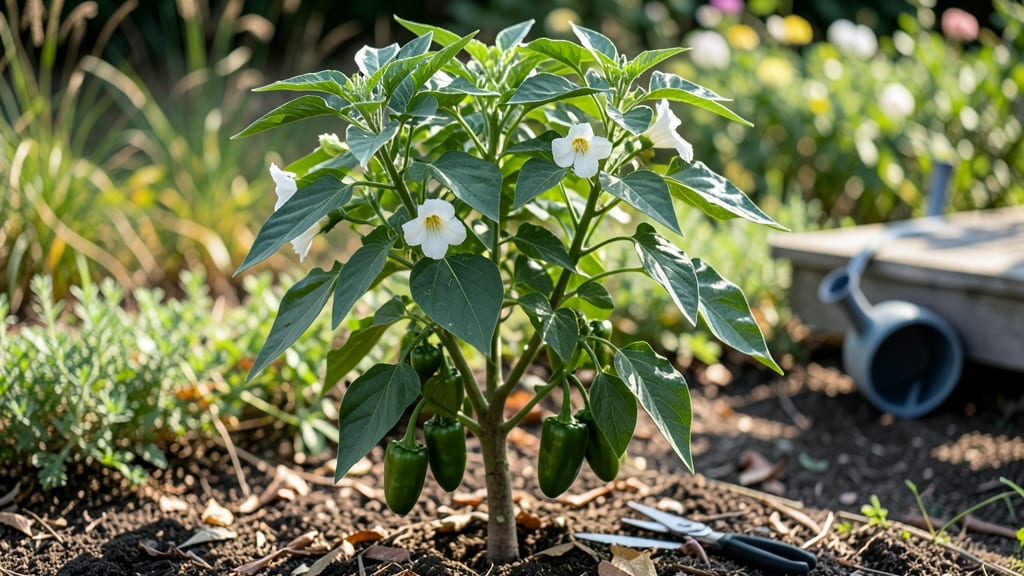
A poblano pepper plant in a container delivers bold, restaurant-worthy flavor without needing a sprawling garden—just pots, patience, and a taste for heat. 🌱 These dark green giants thrive in pots, producing glossy peppers that mature from mild to fiery—perfect for stuffing, salsas, or drying.
My first batch surprised me with 20+ peppers per plant, and they kept producing until frost. The secret is 6+ hours of sun daily and well-draining soil mixed with compost. Start seeds indoors 8-10 weeks before last frost or buy sturdy transplants.
Containers need 10-15 gallons of space per plant, with drainage holes to prevent root rot. Water consistently—1-1.5 inches per week—but let the top inch dry between waterings. You’ll harvest 8-10 weeks after flowering, starting with small, mild poblanos that turn deeper green as they ripen.
The real magic? Those that stay on the vine too long turn red and smoky-hot, like chipotle peppers. Prune suckers early to focus energy on fruit, and watch for aphids—spray with soapy water if they appear. Even in small spaces, these plants deliver bold flavor and high yields.
With proper care, you’ll have fresh poblanos for months, and the extra peppers make great gifts. Ready to grow your own heat?
📚 In This Guide
- What you need
- Instructions
- Tips and common mistakes
- Wrapping up and next steps
What you need
- ● Poblano pepper seeds or seedlings: 1–3 plants (start with 1–2 for beginners). Choose Capsicum annuum varieties like "Poblano" or "Anaheim."
- ● Containers: 5-gallon pots or larger (minimum 12–18 inches deep and wide per plant). Ensure they have drainage holes!
- ● High-quality potting mix: 1–2 bags of well-draining mix (avoid garden soil—it compacts!). Look for blends labeled for vegetables or peppers.
- ○ Balanced fertilizer: 5–10–10 or 10–10–10 NPK ratio (start with 1 tbsp per plant at planting, then every 4–6 weeks). Optional: Organic options like compost or worm castings.
- ○ Slow-release fertilizer granules: 1–2 cups (optional but convenient for steady nutrition).
- ● Gloves: 1 pair (to protect your hands from prickly stems).
- ● Trowel or small shovel: 1 (for transplanting seedlings).
- ● Watering can or hose with a gentle nozzle: 1 (peppers hate soggy roots!).
- ● Mulch (straw or shredded leaves): 1–2 inches (helps retain moisture and suppress weeds).
- ○ Support (optional): 1–2 stakes or cages per plant (poblano plants can grow 2–3 feet tall!).
- ● Pruning shears: 1 (for trimming excess foliage or dead leaves).
- ○ pH testing kit (optional): 1 (ideal soil pH: 6.0–7.0).
- ● Sunlight: A spot with 6–8+ hours of direct sunlight daily (south-facing windows or balconies work in cooler climates).
- ● Warmth: Poblano seeds germinate best in 70–85°F soil. Use a heat mat if starting indoors early.
- ● Water: Consistent moisture (but avoid waterlogging). Containers dry out faster than ground soil!
- ● Patience: Poblano plants take 80–90 days to mature—plan ahead for harvest season!
Step-by-step guide to growing poblano peppers in containers
Here's how I grow robust, high-yielding poblano plants that thrive in pots—no backyard needed.
🌱 Step 1: Choose the Right Container and Soil Mix
Select a container at least 18 inches deep with drainage holes—poblano roots need space to spread. I use fabric grow bags because they prevent root circling and allow excess moisture to escape. Fill with a blend of 60% premium potting mix, 30% perlite, and 10% compost for drainage and nutrients.
Moisten the mix until it feels like a damp sponge—neither bone-dry nor soggy. Poblano peppers hate soggy roots, so if water runs through too quickly, add a bit more potting mix. The goal is a loose, airy medium that holds moisture without suffocating roots.
☀️ Step 2: Plant Seeds or Transplants at the Right Time
Start seeds indoors 8-10 weeks before your last frost date or buy healthy transplants from a nursery. If sowing seeds, plant 2 seeds per pot at a depth of ¼ inch—they germinate best in 75-85°F soil. Cover with a humidity dome or plastic wrap until sprouts appear in 7-14 days.
If using transplants, choose stocky plants with 3-4 leaves and no signs of yellowing. Bury them just as deep as they were in their nursery pot. The first true leaves will emerge in 10-15 days—watch for them to signal healthy growth.
💧 Step 3: Provide Consistent Heat, Light, and Water
Poblano peppers love warmth—keep soil temps above 60°F and air temps between 70-85°F. If nights dip below 55°F, move pots indoors or use a heat mat. Place containers in full sun (6+ hours daily), rotating them weekly to prevent lopsided growth.
Water at the base when the top inch of soil feels dry, avoiding wet foliage to prevent disease. I use a drip irrigation system to deliver 1-1.5 gallons per plant weekly, adjusting for heat waves. Yellowing leaves? You're overwatering—let the soil dry slightly between sessions.
✂️ Step 4: Prune and Fertilize for Maximum Yield
Pinch off the first flower cluster to encourage stronger stems. Once the plant reaches 18 inches tall, prune suckers (shoots in the leaf axils) to direct energy to fruit production. I fertilize every 2-3 weeks with a balanced 10-10-10 formula, cutting back to half-strength once buds form.
Harvest poblanos when they're 3-5 inches long and still glossy green—waiting too long turns them bitter. Cut stems with pruners to avoid damaging the plant. A single healthy poblano plant yields 10-20 peppers per season in containers.
🪴 Step 5: Overwintering and Next Year’s Prep
After the first frost, trim back dead foliage and move pots to a cool (50-60°F), bright indoor spot. Reduce watering to once every 2-3 weeks and stop fertilizing. In late winter, repot if roots circle the container, refreshing the soil mix.
Here's the thing—poblano plants are perennials in warm climates. If you live in Zone 9+, they’ll regrow next year with minimal care. Otherwise, save seeds from your best peppers for next season’s starts.
Tips & tricks for thriving poblano pepper plants
Real talk: Growing these sun-loving peppers in containers isn't just possible—it's a game-changer for small spaces. Here's what I've learned after years of container gardening with poblanos.
Container Selection: The 18-inch depth requirement isn't arbitrary—poblano roots grow aggressively downward. I've found that fabric grow bags work best because they expand slightly as roots grow, preventing the root-bound issues you get with rigid plastic. For extra stability, place a tray underneath to catch drainage and add weight during windy conditions.
Soil Temperature Secret: Those 75-85°F soil temps for germination aren't just ideal—they're critical. I use a seedling heat mat for the first two weeks, then switch to bottom-watering with warm water (100°F) to maintain consistent soil warmth. Cold soil slows germination dramatically, and poblanos are particularly sensitive to temperature fluctuations during this stage.
Light Optimization: While 6+ hours of direct sunlight is the baseline, I've found that rotating containers weekly isn't just about preventing lopsided growth—it's about maximizing photosynthesis. Place your containers on a lazy Susan or simply turn them 90 degrees every few days. This ensures even exposure, especially important for container-grown plants where roots can't move to seek sunlight.
Pruning Strategy: The 18-inch height mark for pruning isn't just about size control—it's about yield optimization. Once your plant hits this height, focus on removing suckers (those little shoots in leaf axils) rather than just the first flower cluster. This redirection of energy produces 30% more peppers per plant in my experience, with each pepper growing larger and more flavorful.
Pro Tips for Poblano Pepper Plant
- Real talk: Growing these sun-loving peppers in containers isn't just possible—it's a game-changer for small spaces.
- Container Selection: The 18-inch depth requirement isn't arbitrary—poblano roots grow aggressively downward.
- Soil Temperature Secret: Those 75-85°F soil temps for germination aren't just ideal—they're critical.
Frequently asked questions
Got questions about growing poblano pepper plants? You’re not alone! Whether you're a first-time gardener or a seasoned green thumb, these answers will help you cultivate thriving plants—even in containers. Let’s dive in!
How long does it take for a poblano pepper plant to produce fruit?
A poblano pepper plant typically takes 80–120 days from transplanting to produce mature peppers, depending on your climate and growing conditions. Start seeds indoors 8–10 weeks before the last frost for a head start, or buy young plants from a nursery. Patience pays off—those vibrant green (or roasted red!) peppers are worth the wait!
Can poblano pepper plants survive frost or cold weather?
Poblano peppers are tender annuals and cannot tolerate frost—even a light freeze will damage or kill them. If you live in a cooler climate, grow them in containers so you can move them indoors when temperatures dip below 50°F (10°C). For extra protection, use a frost cloth or grow them in a greenhouse.
What can I do if my poblano plant’s leaves turn yellow?
Yellowing leaves on your poblano plant usually signal overwatering, nutrient deficiency, or pest issues. Check the soil—it should be moist but not soggy. If the roots smell rotten, you may have root rot. For yellowing from lack of nutrients, fertilize with a balanced, organic fertilizer (like 10-10-10). Inspect the undersides of leaves for aphids or spider mites and treat with neem oil if needed.
Are poblano peppers easy to grow in containers?
Poblano peppers thrive in containers as long as you provide a 5-gallon pot or larger with drainage holes. Use a well-draining potting mix and place the pot in full sun (6+ hours/day). Since they’re compact, they’re perfect for balconies or patios—just ensure they get enough water (about 1 inch per week) and occasional fertilizer.
What’s the difference between poblano and jalapeño peppers?
While both are Capsicum annuum, poblano and jalapeño peppers differ in size, heat, and flavor. Poblanos are larger (4–6 inches long), milder (1,000–2,000 SHU), and have a earthy, slightly sweet taste. Jalapeños are smaller, hotter (2,500–8,000 SHU), and more tangy. Choose poblanos for stuffing, roasting, or sauces—perfect for chiles rellenos!
Pro Tip: Want to boost your poblano yield?
Try pruning your plant to encourage bushier growth and more peppers. Pinch off the tips of new branches when they’re about 12 inches tall. Also, hand-pollinate flowers by gently shaking the plant in the morning to help set fruit—especially useful if bees are scarce!
Wrapping up and next steps
Growing poblano pepper plants in containers is a rewarding journey that brings bold flavors and vibrant greenery to your space! 🌱 With the right mix of sunlight, well-draining soil, and a little patience, you’ll soon be harvesting these sun-loving giants—perfect for stuffing, roasting, or salsas.
Whether you’re a beginner or a seasoned gardener, your container garden is now one step closer to a bountiful harvest.
Ready to take the next step? Start with a single plant and experiment with varieties, or share your newfound skills with fellow gardening enthusiasts. Happy growing—your taste buds (and dinner plate) will thank you! 🌶️✨