
Planting
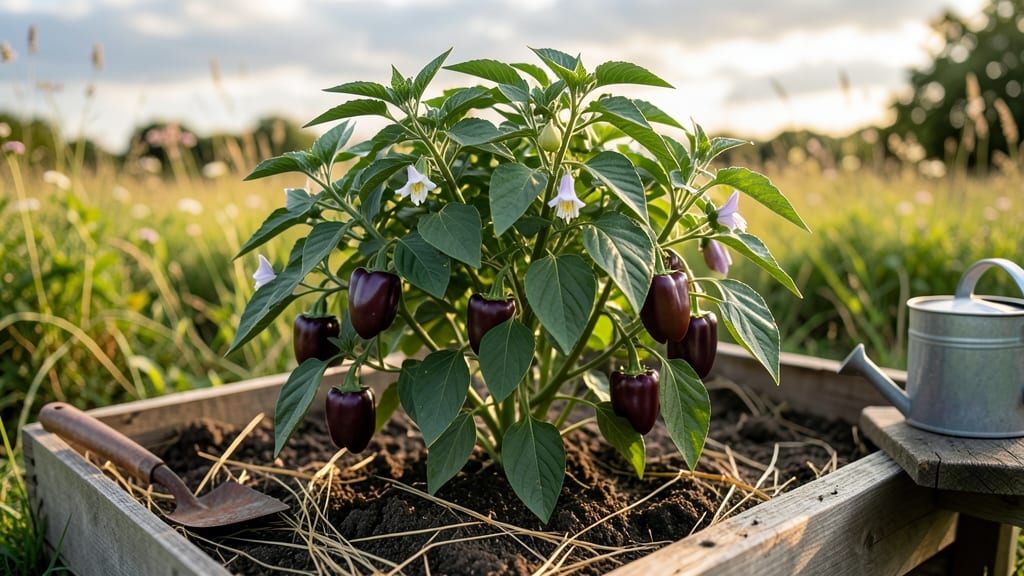
Growing purple sweet pepper plants transforms your garden into a jewel-toned harvest. 🌿 These vibrant beauties aren’t just stunning—they produce sweet, bite-free peppers in just 60 days when trained properly. My first batch last summer proved even black-thumb gardeners can master them with the right setup.
The secret starts with warm soil (70°F+) and full sun (6+ hours daily). Begin indoors 8–10 weeks before last frost, or plant seedlings after all danger of frost passes.
Purple varieties like ‘Purple Beauty’ thrive in rich, well-draining soil with a pH of 6.0–6.8—think compost mixed with a balanced fertilizer (10-10-10) at planting time.
By midseason, your pole-trained vines will climb 6 feet high, producing plump, deep-purple peppers that ripen from green to their signature hue. Prune suckers regularly and stake early to maximize air circulation and fruit production. Harvest when firm and glossy for peak sweetness—no bitterness here!
Common hiccups? Blossom end rot fades with consistent moisture, and pests like aphids stay away with neem oil sprays. These peppers are foolproof once you nail the basics—just imagine the Instagram-worthy harvest waiting for you. Ready to grow?
📚 In This Guide
- What you need
- Instructions
- Tips and common mistakes
- Wrapping up and next steps
What you need
- ● Purple sweet pepper seeds – 5–10 seeds (or 2–3 seedlings if starting with transplants). Look for varieties like 'Purple Beauty' or 'Purple Flash' for vibrant color and sweetness.
- ● Biodegradable seed-starting pots (3–4 inches deep) or a seed tray with individual cells – 5–10 pots (one per seed).
- ● High-quality seed-starting mix – 1–2 gallons. Avoid garden soil; opt for a sterile, well-draining mix with added perlite or vermiculite.
- ● Grow lights or sunny windowsill – A full-spectrum LED grow light (12–16 hours/day) or a south-facing window with 6+ hours of direct sunlight.
- ● Fertilizer – A balanced, water-soluble fertilizer (e.g., 5-5-5 or 10-10-10) for seedlings, and a low-nitrogen, high-phosphorus formula (e.g., 3-4-6) once plants are established.
- ● Pole or trellis system – 5–6-foot tall bamboo stakes, tomato cages, or a DIY wooden trellis for vertical growth.
- ● Container or garden bed – 5-gallon pots (for containers) or a well-draining garden bed with 12+ inches of depth.
- ● Mulch – Straw, wood chips, or black plastic mulch to retain moisture and suppress weeds.
- ● Hand trowel or transplanting spade – For planting seedlings.
- ● Watering can or hose with a gentle spray nozzle – Avoid overwatering seedlings.
- ● Pruning shears – To trim suckers and encourage upward growth.
- ● pH testing kit – Ensure soil pH is between 6.0–6.8 (sweet peppers thrive in slightly acidic soil).
- ○ Optional but helpful: 💡 Heating mat (for indoor starts in cool climates).
- ● 🌡️ Thermometer (to monitor soil temperature—ideal: 70–85°F).
- ● ✨ Compost or worm castings (for extra nutrients).
- ● 🎯 Shade cloth (if growing in hot climates to prevent stress).
Step-by-step instructions for growing pole-trained purple sweet peppers
Here’s how to coax vibrant purple peppers from seed to harvest in just 60 days—no bitterness, all flavor.
🌱 Step 1: Start Seeds Indoors 8-10 Weeks Before Last Frost
Fill 2-3 inch deep seed trays with sterile seed-starting mix and sow seeds ¼ inch deep. Purple sweet peppers need warmth to germinate—place trays on a heat mat set to 75-80°F. Keep the soil consistently moist but never soggy; a spray bottle prevents disturbing seeds.
Cover trays with plastic wrap or a humidity dome to trap warmth and moisture. Germination takes 10-14 days—patience is key. Once seedlings emerge, remove the cover immediately to prevent damping-off. You’ll see tiny cotyledons (first true leaves) within a week; this is your cue to move them to bright, indirect light.
☀️ Step 2: Provide 12+ Hours of Light Daily After Germination
Purple sweet peppers need full-spectrum light to prevent leggy growth. Place seedlings under a grow light 2-3 inches away and adjust the height as they grow. Without enough light, stems stretch and leaves pale—signs your plants are starving for photons.
Rotate trays quarter-turn daily so seedlings grow straight, not lopsided. After 4-6 weeks, when seedlings have 3-4 true leaves, transplant them into 5-inch pots with fresh potting mix. This prevents root-bound stress and encourages bushier growth.
🪴 Step 3: Transplant to Poles or Cages 2-3 Weeks Before Last Frost
Choose 5-6 foot tall trellis poles or cages for each plant—purple sweet peppers grow vertically, saving space and improving air circulation. Bury poles 1 foot deep in the soil or secure cages firmly. Mix 1 cup compost into the planting hole to boost early growth.
Transplant seedlings carefully, keeping the root ball intact. Water deeply after planting to settle soil around roots. Purple sweet peppers thrive in warm soil (65°F+), so wait until nighttime temperatures stay above 55°F—cold soil stunts root development.
💧 Step 4: Water at Soil Level and Fertilize Weekly
Water purple sweet peppers at the base, 1-2 inches from the stem, to prevent fungal diseases. Avoid wetting leaves—moisture lingering on foliage invites blight. Let the top 1-2 inches of soil dry between waterings; overwatering causes blossom-end rot, a common issue with peppers.
Feed plants with a balanced liquid fertilizer (10-10-10) every 2-3 weeks once flowers appear. Purple sweet peppers are heavy feeders, but too much nitrogen leads to leafy growth at the expense of fruit. You’ll know they’re happy when new leaves emerge dark green and glossy.
✂️ Step 5: Prune and Harvest for Continuous Production
Pinch off the first few flowers to encourage stronger root and stem growth. Once plants are established, prune suckers (side shoots in the leaf axils) to direct energy to fruit production. Purple sweet peppers ripen in 60-70 days—harvest when they’re 3-4 inches long and glossy purple.
Pick peppers frequently to stimulate more blooms. Store unripe peppers in the fridge for up to 2 weeks—they’ll turn red if left too long. If frost threatens, harvest green peppers and ripen them indoors on a sunny windowsill. With proper care, one plant yields 10-15 peppers per season.
Tips & tricks for growing pole-trained purple sweet peppers
Here's what I've learned after growing these vibrant plants for years—these tricks will help you avoid common pitfalls and maximize your harvest.
Heat Mat Hack: The 75-80°F heat mat temperature is critical for germination, but don't let the soil get too hot—above 85°F can actually inhibit seed sprouting. I place a thermometer right in the soil to monitor. If your apartment gets too warm, try using a seedling heat mat with a built-in thermostat for consistent performance.
Lighting Strategy: That 2-3 inch distance from grow lights is perfect, but remember to adjust as seedlings grow. I set a reminder to check the height weekly—when the tops brush the light, it's time to raise it. For budget-friendly lighting, LED grow lights use less energy than fluorescent bulbs and last longer, making them worth the investment.
Transplanting Timing: The 2-3 weeks before last frost guideline works well, but check your local frost dates carefully. Purple sweet peppers are sensitive to cold soil—if nighttime temps dip below 55°F, your plants will struggle even with warm days. I always verify frost dates from a trusted agricultural extension service rather than relying on weather apps.
Fertilizer Balance: The 10-10-10 fertilizer recommendation is perfect, but timing matters just as much as quantity. I start fertilizing only when I see the first flower buds appear, not when the plants are still establishing roots. Too much nitrogen too early leads to lush foliage but no fruit—exactly what we want to avoid with these pepper plants.
Pro Tips for Purple Sweet Pepper Plant
- Here's what I've learned after growing these vibrant plants for years—these tricks will help you avoid common pitfalls and maximize your harvest.
- Heat Mat Hack: The 75-80°F heat mat temperature is critical for germination, but don't let the soil get too hot—above 85°F can actually inhibit seed sprouting.
- Lighting Strategy: That 2-3 inch distance from grow lights is perfect, but remember to adjust as seedlings grow.
Frequently asked questions
How long does it take for purple sweet pepper plants to produce fruit?
With the right conditions, purple sweet pepper plants can yield fruit in 60–75 days from transplanting. Pole-trained varieties (like those in this guide) often mature faster than bush types because they focus energy on fewer, larger peppers. Start seeds indoors 8–10 weeks before your last frost date for an early harvest! Pro tip: Use a heat mat if your home is chilly—peppers thrive in warmth.
Can purple sweet peppers grow in cooler climates?
Purple sweet peppers prefer warmth (70–85°F) but can tolerate brief dips to 55°F if hardened off. In cooler zones, grow them in containers and move them indoors at night or use row covers. Avoid transplanting until soil temps hit 60°F+. If nights stay cold, opt for shorter-season varieties like ‘Purple Beauty’ or ‘Arpad F1.’
Why are my purple sweet peppers turning bitter?
Bitterness usually stems from stress—like uneven watering, extreme heat, or over-ripe peppers. Keep soil consistently moist (not soggy) and harvest when firm and glossy. If peppers stay on the vine too long, they’ll turn bitter. Fix it: Prune lower leaves for airflow and mulch to stabilize soil temps. Sweetness tip: Pick peppers young (6–8 inches) for the best flavor!
What can I plant alongside purple sweet peppers to improve growth?
Purple sweet peppers love companion plants like basil (repels pests), marigolds (deter nematodes), or onions (confuse pepper pests). Avoid planting near fennel or brassicas (cabbage family)—they stunt growth. For pole-trained plants, interplant with fast growers like lettuce or radishes to maximize space. Bonus: Plant nasturtiums nearby to attract pollinators!
What should I do if my purple sweet pepper plants get blight or pests?
Common issues include aphids, spider mites, or fungal blight. For pests, spray with neem oil or introduce ladybugs. Blight? Remove affected leaves immediately and space plants for airflow. Prevent blight by watering at the base (not overhead) and avoiding wet foliage. Quick fix: Apply a copper fungicide as a preventive measure if humidity is high.
Can I save seeds from purple sweet pepper plants for next year?
Yes! Let a few peppers fully ripen (turn deep purple) on the vine, then scoop out seeds, rinse them, and dry on paper towels for 3–5 days. Store in a cool, dark place for up to 2 years. Note: Hybrid varieties (like F1 types) may not produce true-to-type peppers, but heirloom seeds will. Try ‘Purple Calabash’ for seed-saving success!
Wrapping up and next steps
Growing purple sweet pepper plants is a rewarding journey—packed with vibrant colors, quick harvests, and zero bitterness! 🌱 With the right pole-training techniques, you can enjoy a bountiful crop in just 60 days, even in limited space.
Whether you're a seasoned gardener or a beginner, these tips make it simple and fun.
Ready to dive in? Start today by gathering your supplies, choosing the perfect spot, and planting those seeds or seedlings. Your future harvest of sweet, nutritious peppers is just a few weeks away—happy gardening! 🌿