
Picking
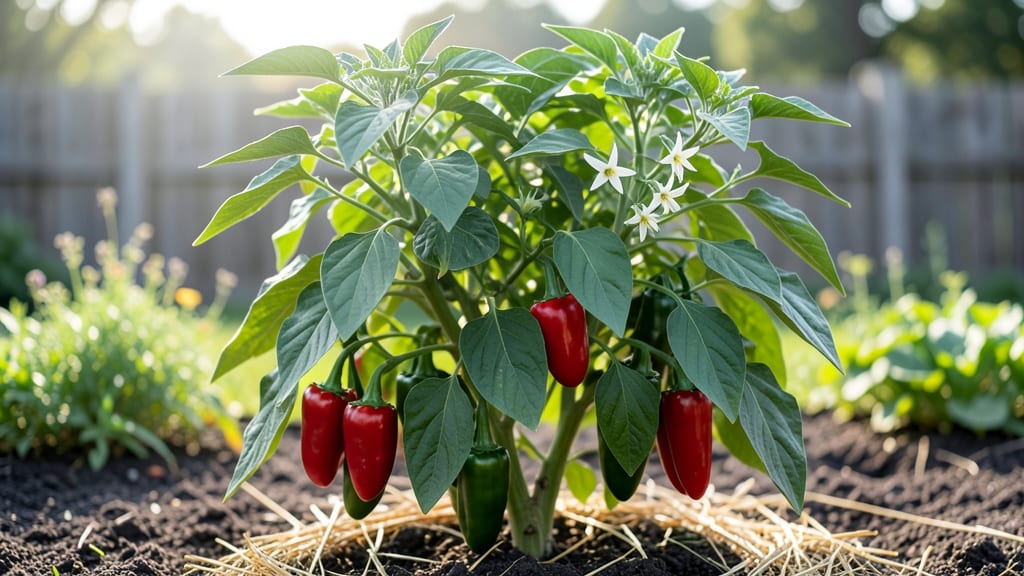
Growing Sheepnose pimento peppers means turning a corner of your yard into a spicy vine wonderland with minimal space. 🌱 These twining beauties produce glossy, heat-packed peppers that taste like a cross between bell peppers and habaneros—perfect for small gardens, trellises, or even containers.
My first harvest last summer had me snipping peppers every other day, and the neighbors kept asking where I got the secret stash.
The magic happens when you mimic their natural habitat: full sun (6+ hours daily), well-draining soil with a dash of compost, and regular watering that keeps roots happy but never soggy.
They’re not fussy, but they do need something to climb—whether it’s a sturdy trellis, fence, or even a sturdy tomato cage. Once established, these vines grow 6-8 feet tall, so plan your vertical space accordingly. The real payoff?
Those peppers start ripening in late summer, and the heat builds as they mature.
You’ll end up with peppers that range from mild to medium-hot (2,500–10,000 SHU), depending on ripeness, and a flavor that’s smoky, slightly sweet, and packed with depth. Think of them as the Swiss Army knife of peppers—great fresh, dried, stuffed, or fermented.
My favorite? Stuffing them with cheese and baking until bubbly. The vine itself is a disease-resistant powerhouse, so you’ll spend less time fighting pests and more time enjoying the harvest.
Here’s the best part: these peppers thrive in containers, making them ideal for balconies or patios. Just ensure the pot has drainage and is at least 5 gallons deep.
If you’ve ever wanted a pepper plant that’s both productive and eye-catching, Sheepnose pimentos are your answer. Let’s get those vines climbing!
📚 In This Guide
- What you need
- Instructions
- Tips and common mistakes
- Wrapping up and next steps
What you need
- ● Sheepnose pimento pepper seeds: 3–5 seeds (or a young plant from a nursery). Opt for organic, heirloom varieties for best flavor.
- ● Growing containers: 5–7 gallon pots with drainage holes (or a raised bed if gardening in-ground). Pro tip: Ensure containers are at least 12 inches deep!
- ● High-quality potting mix: 1 bag (look for a blend labeled for vegetables or peppers, with added compost).
- ● Slow-release fertilizer: 1 packet (10-10-10 or organic options like fish emulsion).
- ● Peat pellets or coconut coir: 1–2 bricks (for seed starting, if germinating indoors).
- ● Trowel or small shovel: For transplanting seedlings.
- ● Spray bottle: For gentle watering during germination.
- ● Grow lights or sunny windowsill: If starting seeds indoors (12–16 hours of light daily).
- ● Pruning shears: For trimming vines and encouraging bushier growth.
- ○ Support structure (optional but helpful): Trellis or tomato cage (for vertical growth—sheepnose peppers love to climb!)
- ● String or twine (to tie vines as they grow).
- ● pH testing kit: To monitor soil acidity (ideal range: 6.0–6.8).
- ● Warm climate or greenhouse: Sheepnose peppers thrive in USDA Zones 9–11. If in a cooler zone, start seeds indoors 8–10 weeks before last frost.
- ● Patience: Germination takes 10–20 days, and peppers need 60–90 days to mature.
- ● Sunlight: At least 6–8 hours of direct sunlight daily (or equivalent grow light exposure).
Step-by-step guide to growing sheepnose pimento peppers in containers
Master this twining vine in limited space—here’s how to coax bold, heat-packed peppers from compact pots.
🌱 Step 1: Select Containers and Prepare Soil for Strong Roots
Sheepnose peppers thrive in 5-gallon containers with drainage holes—larger pots prevent root-bound stress. I use fabric grow bags because they breathe better than plastic, reducing fungal risks. Fill each with a mix of 60% potting soil, 20% perlite, and 20% compost for drainage and nutrients.
Press the mix down lightly until firm but not compacted. The goal is air pockets for roots while maintaining moisture retention. Tap the pot gently to settle the soil without crushing it. Sheepnose vines grow aggressively, so a sturdy container prevents tipping as they mature.
☀️ Step 2: Plant Seeds or Transplants at the Right Time
Start seeds indoors 8-10 weeks before your last frost or transplant mature seedlings after soil reaches 70°F. Plant seeds ¼ inch deep—any deeper delays germination. For transplants, bury up to the first true leaves to encourage stable rooting. Space plants 18 inches apart in containers to allow twining room.
Water immediately after planting to settle soil around roots. Keep the surface evenly moist but not soggy—sheepnose peppers dislike waterlogged conditions. Place containers in a warm, sunny spot (or under grow lights) until sprouts appear in 7-14 days.
🪴 Step 3: Train Vines to Twine for Maximum Yield
Sheepnose peppers are twining vines, meaning they’ll spiral upward naturally if given support. Install a 5-6 foot tall trellis or tomato cage beside each plant at planting time. As vines grow, gently guide them onto the support—no tying needed, just coax the tendrils to wrap.
Prune suckers (side shoots) that form in the leaf axils to direct energy upward. Remove any flowers that appear before 4-6 weeks after transplanting—this encourages stronger vine growth. You’ll see the first tendrils appear around 3-4 weeks; that’s when you start training daily.
💧 Step 4: Water and Fertilize for Heat and Productivity
Water deeply twice weekly (more in 90°F+ heattop 2 inches of soil dry out between waterings. Overwatering leads to blossom-end rot, while underwatering causes peppers to turn bitter. Use a moisture meter to check—sheepnose peppers prefer consistent dampness, not soggy soil.
Fertilize every 4-6 weeks with a balanced organic fertilizer (10-10-10) or compost tea. Stop fertilizing 4 weeks before harvest to avoid bitter flavors. You’ll know it’s working when vines produce 3-5 new leaves per week and flowers bloom in clusters.
✂️ Step 5: Harvest and Prune for Continuous Production
Harvest pimentos when they’re 2-3 inches long and deep red—waiting longer reduces heat intensity. Use pruning shears to cut stems just above the fruit to avoid damaging the vine. Sheepnose peppers produce continuously, so harvest every 3-5 days during peak season to encourage more blooms.
After harvest, trim any leggy growth or yellowing leaves to redirect energy. In fall, cut back vines to 12 inches tall and move containers indoors (if possible) for a second harvest. With proper care, a single vine yields 50-100 peppers per season—enough for pickling, drying, or fresh eating.
Tips & tricks for perfect sheepnose pimento pepper cultivation
These game-changing insights will help you transform your balcony into a pepper powerhouse—even in tight spaces.
Soil Science: The 60-20-20 soil mix isn't just arbitrary—it's about creating the perfect air-to-moisture balance. I've found that adding a handful of worm castings to your mix gives roots an extra nutrient boost. The key is to keep it loose enough that a finger can press down 1 inch without resistance, yet firm enough to support the aggressive vines. Too compacted? Roots suffocate; too loose? They can't anchor properly.
Heat Management: Sheepnose peppers are heat lovers, but there's a sweet spot. While they thrive in 70°F+ soil, temperatures above 90°F can stress the plants. I've seen firsthand how shade cloth (30-50% coverage) during peak afternoon sun prevents leaf scorch while maintaining warmth. The goal is to keep leaves cool but roots warm—think of it as giving your plant a cooling vest while keeping its feet toasty.
Training Technique: The twining habit is your secret weapon. When those first tendrils appear around 3-4 weeks, don't wait to train them—start immediately. I use a simple trick: wrap the vine around the trellis twice, then let it grow freely. This creates a natural spiral pattern that maximizes vertical growth. Pro tip: Use a soft cloth to gently rub the vine against the support—this stimulates the tendrils to grip better. The result? Vines that climb like pros instead of flopping like amateurs.
Harvest Hack: Those 2-3 inch peppers are sweetest when harvested at peak redness, but here's what nobody tells you: the first harvest is just the beginning. After your initial pick, the plant will often produce a second flush of peppers within 2 weeks. The trick is to maintain that 3-5 day harvest rhythm—consistent picking signals the plant to keep producing. I've had vines keep yielding until first frost when I followed this schedule religiously.
Pro Tips for Sheepnose Pimento Pepper
- These game-changing insights will help you transform your balcony into a pepper powerhouse—even in tight spaces.
- Soil Science: The 60-20-20 soil mix isn't just arbitrary—it's about creating the perfect air-to-moisture balance.
- Heat Management: Sheepnose peppers are heat lovers, but there's a sweet spot.
Frequently asked questions
How long does it take for sheepnose pimento peppers to bear fruit?
Sheepnose pimento peppers typically take 60–90 days from transplanting to produce fruit, depending on climate and growing conditions. In warmer regions, you may see peppers as early as 50 days, while cooler areas might extend this to 100+ days. Patience is key—these vines thrive with consistent warmth and sunlight!
Can I grow sheepnose pimento peppers in containers?
These peppers are perfect for containers—they’re compact and love climbing trellises or cages. Use a 5-gallon pot or larger with well-draining soil and ensure it gets 6+ hours of sun daily. Just keep an eye on watering, as containers dry out faster than garden beds.
What’s the difference between sheepnose pimento and regular pimento peppers?
Sheepnose pimentos are sweeter, milder, and more ornamental than traditional pimento peppers (like those in olives). They’re also longer and more tapered, with a distinctive "sheepnose" shape. While regular pimentos are often used for pickling, sheepnose varieties shine in fresh salsas, stuffing, or as colorful garden accents!
Why aren’t my sheepnose peppers turning red?
If your peppers stay green or yellow, it’s usually due to cool temperatures, lack of sunlight, or insufficient ripening time. Sheepnose pimentos need full sun (6–8 hours/day) and warm temps (70°F+) to ripen properly. Try moving pots to a sunnier spot or using a grow light if indoors.
Where can I buy sheepnose pimento pepper seeds or plants?
Look for seeds or starts at heirloom seed companies like Baker Creek, Southern Exposure, or Seed Savers Exchange. Local nurseries or garden centers in southern U.S. regions (their native range) may also carry them. Pro tip: Check Facebook gardening groups or seed swaps—gardeners often share extras!
Wrapping up and next steps
Growing sheepnose pimento peppers is a rewarding adventure, even in limited spaces! With their compact vines and fiery flavor, they’re perfect for containers or small gardens.
Whether you’re a seasoned gardener or a curious beginner, this twisty, heat-loving pepper is a game-changer for adding spice to your dishes—and your green thumb confidence.
Ready to dive in? Start by gathering your supplies (like sturdy trellises and well-draining soil) and plant your seeds with enthusiasm. Soon, you’ll be harvesting peppers to spice up everything from homemade hot sauce to bold salsas. Happy growing! 🌱🔥