
Flowers
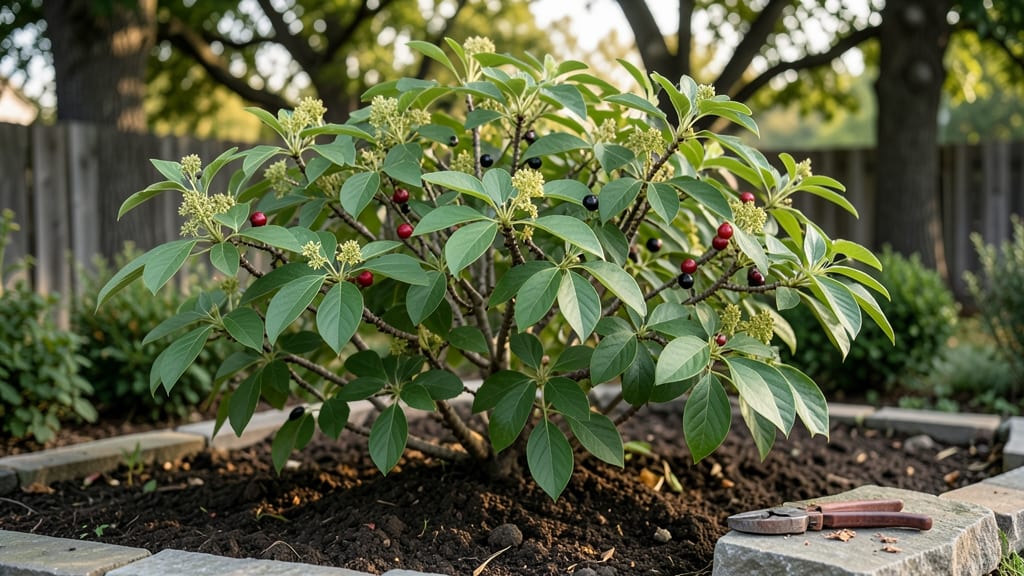
Growing Sichuan peppercorn flowers indoors brings tiny, fragrant blooms and those signature peppery berries to your vertical garden. 🌿 I’ll never forget the first time I saw the delicate white flowers give way to the spicy green berries—it’s like having a mini Asian spice garden on your windowsill.
The secret to success starts with bright, indirect light and well-draining soil. This plant thrives in USDA Zones 7-10, but indoors, you can grow it year-round with a sunny spot and occasional misting. It’s a slow grower, so patience is key—those first flowers might take a year or two.
Once established, you’ll get clusters of tiny white flowers that smell faintly of citrus, followed by the iconic peppery berries. The foliage stays lush and aromatic, adding a unique scent to your space. Prune lightly after flowering to keep it compact.
Perfect for small spaces, kitchen windows, or even as a living air purifier. Let’s get your spicy-sweet garden started!
📚 In This Guide
- What you need
- Instructions
- Tips and common mistakes
- Wrapping up and next steps
What you need
- ● Sichuan peppercorn seeds (10–20 seeds) – Choose organic, non-GMO seeds for best results.
- ● Well-draining potting mix (5–10 gallons) – A blend of cactus/succulent soil (60%) and perlite/pumice (40%) works best.
- ● Growing containers (2–4 units) – Option 1: Deep pots (10–12" diameter) with drainage holes for single plants.
- ● Option 2: Vertical planter (e.g., wall-mounted or hanging) with pockets for multi-plant setups.
- ● Drainage trays (2–4) – To catch excess water and prevent root rot.
- ● Pruning shears – For trimming leggy stems or dead foliage.
- ● Spray bottle – For gentle watering during germination.
- ○ Grow lights (optional but recommended) – LED full-spectrum bulbs (12–16 hrs/day) if natural light is <50% sunlight.
- ● pH testing kit – To monitor soil pH (ideal range: 6.0–7.0).
- ○ Fertilizer (optional) – Balanced liquid fertilizer (e.g., 10-10-10) – Dilute to half-strength for young plants.
- ● Slow-release granules (e.g., osmocote) – Mix 1 tbsp per gallon of soil.
- ● Space – A sunny spot (south-facing window or grow light setup) with at least 6 hours of indirect light daily.
- ● Patience – Germination takes 2–4 weeks; flowers may take 6–12 months to bloom.
- ● Warmth – Ideal temps: 70–85°F (21–29°C). Avoid drafts or AC vents.
Step-by-Step instructions for cultivating Sichuan peppercorn flowers indoors
Here’s how I grow these striking, aromatic blooms—even in small spaces with vertical setups.
🌱 Step 1: Select the Right Container and Soil Mix
Choose a 6-8 inch deep pot with drainage holes—these plants hate soggy roots. I use a well-draining potting mix blended with 20% perlite or orchid bark to mimic their natural rocky soil. Fill the container to 1 inch below the rim and tap gently to settle without compacting.
Moisten the mix with lukewarm water until it’s damp but not dripping. The soil should hold together when squeezed lightly—like a damp sponge. Avoid garden soil; it’s too dense and can suffocate roots.
☀️ Step 2: Position for Bright, Indirect Light
Place your plant near a south- or east-facing window where it gets 4-6 hours of bright, indirect light daily. Direct sun can scorch the delicate leaves, so I angle mine slightly away from midday rays. If your space is dim, supplement with a grow light kept 12-18 inches away for 12-14 hours daily.
Watch for yellowing leaves—this is your sign the plant needs more light. Rotate the pot quarter-turn weekly so growth stays even and the plant doesn’t lean toward the window.
💧 Step 3: Water and Fertilize for Healthy Growth
Water when the top 1-2 inches of soil feel dry to touch—about once every 5-7 days in warm months. Stick your finger in the soil; if it’s dry past your first knuckle, it’s time. Water thoroughly until it drains from the bottom, then empty the saucer to prevent root rot.
Feed with a balanced liquid fertilizer (10-10-10) diluted to half-strength every 4-6 weeks during spring and summer. Reduce feeding in fall and winter—over-fertilizing stresses these tropical plants.
✂️ Step 4: Prune and Encourage Bushier Growth
Pinch back the tips of new growth when stems reach 4-6 inches to encourage branching. This creates a fuller, more compact plant perfect for vertical displays. Use clean, sharp scissors to snip just above a leaf node—never tear the stem.
Remove any yellow or damaged leaves promptly. These can harbor pests or disease. After pruning, give the plant a light misting to reduce stress. You’ll see new side shoots emerge within 2-3 weeks—that’s your reward for patience!
🪴 Step 5: Support and Display Your Vertical Garden
Use a wall-mounted planter or hanging basket with a trellis or wire frame to guide vines upward. Gently weave stems through the support as they grow—this prevents breakage. For a lush look, space 2-3 plants per 12-inch pot so they intertwine naturally.
Rotate the display occasionally so all sides get even light. These plants thrive in 65-75°F temperatures, so keep them away from drafts or heating vents. With proper care, you’ll enjoy fragrant, spicy-sweet blooms year-round!
Tips & tricks for perfect indoor Sichuan peppercorn flower cultivation
Between us, these aromatic blooms thrive when you pay attention to the little details—here's how to get it right the first time.
Lighting Strategy: The 4-6 hours of bright, indirect light in Step 2 is non-negotiable—these plants love morning sun but hate afternoon intensity. I've found that placing them on a kitchen counter near an east-facing window gives perfect morning light while avoiding harsh afternoon rays. For even distribution, rotate your pot quarter-turn weekly as mentioned, but also consider using a small hand mirror to redirect light to shadier corners of the plant during winter months when sunlight is weaker.
Soil Science: That 20% perlite or orchid bark in Step 1 isn't just for drainage—it mimics the rocky terrain where these flowers grow wild. I've learned the hard way that skipping this amendment leads to compacted soil that holds too much moisture. For extra insurance, I add a handful of small gravel to the bottom of the pot before adding soil mix. This creates additional drainage channels while keeping the roots elevated from waterlogged conditions.
Pruning Precision: When pinching back tips at 4-6 inches in Step 4, focus on the healthiest stems first. I always make my cuts just above a leaf node where you can see a tiny bump—this is where new growth will emerge. Pro tip: Use your fingernail to gently press the stem just below the node before cutting. If it snaps easily, that's your perfect spot. The 2-3 week wait for new shoots is worth it—you'll see thicker, bushier plants that produce more blooms.
Temperature Troubleshooting: Those 65-75°F ideal temperatures in Step 5 are crucial, but don't panic if your home dips below. I've successfully grown these flowers in 60°F rooms by moving them closer to south-facing windows during cooler months. The key is consistency—avoid placing them near heating vents or drafty windows where temperatures fluctuate wildly. A simple digital thermometer placed near your plant will help you monitor conditions without guesswork.
Pro Tips for Sichuan Peppercorn Flower
- Between us, these aromatic blooms thrive when you pay attention to the little details—here's how to get it right the first time.
- Lighting Strategy: The 4-6 hours of bright, indirect light in Step 2 is non-negotiable—these plants love morning sun but hate afternoon intensity.
- Soil Science: That 20% perlite or orchid bark in Step 1 isn't just for drainage—it mimics the rocky terrain where these flowers grow wild.
Frequently asked questions
Got questions about growing Sichuan peppercorn flowers? You’re not alone! Here are answers to the most common queries—from care tips to troubleshooting—so you can cultivate these fragrant, spicy beauties with confidence.
How long does it take for Sichuan peppercorn flowers to bloom?
With ideal conditions (bright, indirect light and consistent warmth), you can expect the first blooms 8–12 weeks after planting seeds or transplanting seedlings. Patience pays off—these flowers reward dedication with vibrant, star-shaped blossoms that last 2–3 weeks per cycle.
Can I grow Sichuan peppercorn flowers indoors year-round?
These plants thrive indoors as long as you provide 6–8 hours of sunlight daily (a south-facing window or grow lights work). Keep temperatures between 65–75°F (18–24°C) and maintain moderate humidity—a pebble tray or humidifier helps mimic their tropical roots.
What should I do if my Sichuan peppercorn flower leaves turn yellow?
Yellowing leaves usually signal overwatering or nutrient deficiency. Let the top inch of soil dry out between waterings, and flush the pot with water to prevent salt buildup. For a quick fix, feed your plant with a balanced liquid fertilizer (diluted to half strength) every 4–6 weeks.
Are there non-spicy alternatives to Sichuan peppercorn flowers?
If you love the look but want to skip the tingling heat, try growing Chinese lantern plants (Abutilon) or celosia—both offer bold colors and similar care needs. For a milder peppery aroma (without the kick), lemon verbena is a fragrant, low-maintenance swap.
Why aren’t my Sichuan peppercorn flowers producing buds?
Bud formation often stalls due to low light or lack of nutrients. Move your plant closer to a bright window or supplement with grow lights. Prune leggy stems to encourage bushier growth, and fertilize with a phosphorus-rich formula (like 10-10-10) to boost flowering.
Still stumped? Drop your question in the comments—we’re happy to help your Sichuan peppercorn garden thrive!
Wrapping up and next steps
Growing Sichuan peppercorn flowers is a rewarding way to bring a touch of spicy-sweet beauty to your indoor vertical garden! 🌿 With the right care—bright light, well-draining soil, and a dash of patience—you’ll enjoy fragrant blooms and even harvest those signature peppery berries.
Whether you’re a seasoned gardener or just starting, this plant’s unique charm makes it a fantastic addition to any space.
Ready to take the next step? Start with a single cutting or seedling and watch your green thumb grow! Share your progress with fellow plant lovers or experiment with companion plants to create an even more vibrant vertical garden. Happy growing! ✨