
Aphids
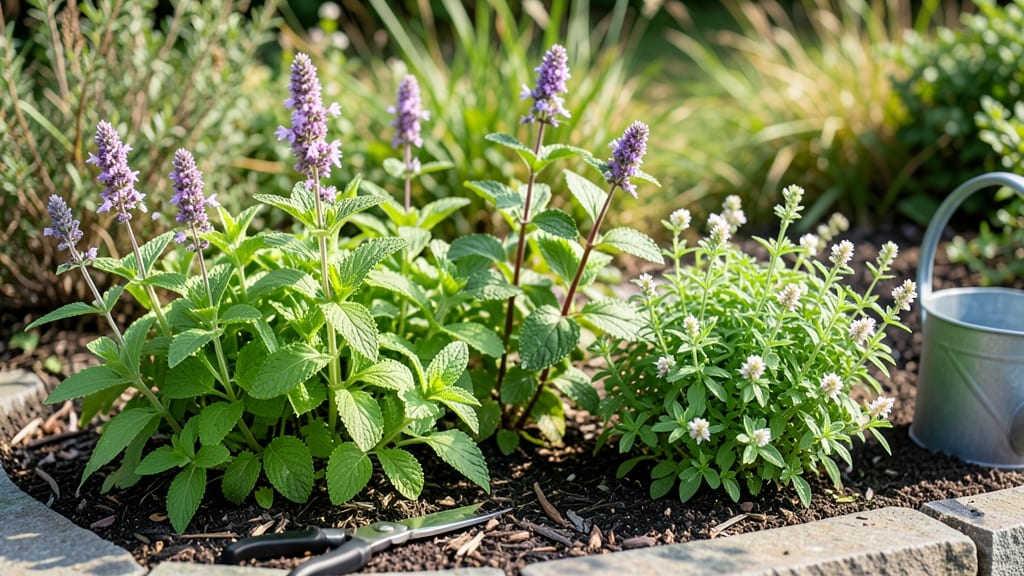
Spearmint, peppermint, and common mint aren’t just different plants—they’re completely different experiences in your garden. 🌿 I’ve grown all three, and while they look similar, their growth habits, flavors, and spread potential couldn’t be more distinct.
If you’ve ever struggled with mint taking over your yard or wondered why your spearmint tastes weak, this breakdown solves those mysteries. Peppermint (Mentha × piperita) is the boldest of the bunch, with its signature cool, sharp flavor and aggressive spread—it’ll colonize your garden if left unchecked.
Spearmint (Mentha spicata), on the other hand, is milder, sweeter, and slightly easier to control, making it the best choice for culinary use without the invasive drama.
Then there’s the catch-all "mint" category, which often refers to sterile hybrids or wild varieties that can be even harder to manage. The key differences lie in their soil needs, sunlight tolerance, and propagation methods.
Peppermint thrives in rich, moist soil and full sun but can handle partial shade, while spearmint prefers well-draining soil and morning sun with afternoon shade. Both spread via underground runners, but spearmint’s growth is slightly less relentless—though don’t let that fool you into skipping containment measures.
Whether you’re growing for tea, cooking, or ornamental appeal, knowing these distinctions means you’ll harvest flavorful leaves without battling a garden takeover. Here’s how to pick the right one for your space—and keep it in check.
The first product explained
Looking to add a fresh, aromatic touch to your garden—or your tea collection? Meet Spearmint, a versatile and beloved herb that’s more than just a flavorful addition! 🌿✨ This section dives into everything you need to know about this minty superstar, from its key specs to who should grow it (or sip it!).
🌱 Key Specs & Features
Scientific Name: Mentha spicata (a hybrid of water mint and spearmint)
Growth Habit: Spearmint is a perennial herb that spreads aggressively via underground runners, making it a great (but sometimes stubborn!) addition to gardens. It thrives in partial shade to full sun and prefers moist, well-draining soil.
Height & Spread: Typically grows 12–36 inches tall and spreads 12–24 inches wide, depending on growing conditions.
Flavor Profile: Unlike its sharper cousin, peppermint, spearmint boasts a sweeter, milder, and slightly floral taste with hints of carrot or citrus. It’s the go-to choice for teas, desserts, and savory dishes!
Hardiness: USDA Zones 3–9—it’s tough enough to survive winter in most climates but may need mulch in colder regions.
🎯 Target Users
- Home Gardeners: Perfect for those who love low-maintenance, fragrant herbs that attract pollinators (like bees and butterflies!).
- Tea Enthusiasts: A staple in herbal teas, spearmint is caffeine-free and pairs beautifully with fruits like berries or citrus.
- Chefs & Bakers: Adds a refreshing twist to desserts (think mint chocolate chip cookies or mojitos) and savory dishes like lamb or tabbouleh.
- Natural Remedies Lovers: Traditionally used for digestion, headaches, and even as a breath freshener!
- DIYers: Great for homemade soaps, potpourri, or infused oils.
💰 Price Point & Availability
Spearmint is affordable and widely available, making it a budget-friendly choice for both gardeners and consumers:
- Seeds: $2–$5 per packet (great for beginners!).
- Live Plants: $3–$8 per pot at nurseries or garden centers.
- Dried Herbs: $4–$10 per ounce (ideal for cooking or teas).
- Essential Oil: $10–$25 per 0.5 oz (for aromatherapy or skincare).
💡 Pro Tip: If you’re growing spearmint, contain it in pots or barriers—it can take over a garden like a minty boss! 😉
The second product explained
Meet Peppermint (Mentha × piperita)—the bold, invigorating powerhouse of the mint family! 🌿✨ If you're a fan of that classic candy cane kick or the crisp freshness that cuts through rich desserts, this is your go-to mint. But peppermint isn’t just about flavor—it’s a dynamic plant with a reputation for repelling pests, soothing digestion, and adding a pop of green to your garden or kitchen. Let’s dive into what makes this mint a standout choice for both culinary and practical uses.
📏 Specs & Features
Peppermint is a hybrid of watermint and spearmint, meaning it’s a crossbreed packed with extra potency. Here’s what sets it apart:
- Growth: Fast-spreading perennial (hardy in USDA Zones 5-9) that thrives in partial shade to full sun.
- Height & Spread: Typically grows 12–36 inches tall and spreads aggressively (great for borders but may need containment!).
- Foliage: Bright green, lance-shaped leaves with a distinctive sharp, sweet aroma.
- Flowering: Produces lavender-pink spikes in summer (edible but less flavorful than leaves).
- Pest Resistance: Naturally deters aphids, ants, and cabbage moths—perfect for companion planting!
- Harvest Time: Best harvested before flowering for maximum oil content and flavor.
🎯 Who’s It For?
Peppermint is a versatile superstar ideal for:
- 🍫 Bakers & Chefs: Elevate chocolates, teas, sauces, and cocktails with its bold, cooling flavor.
- 🌿 Gardeners: Use it as a living mulch or border plant to crowd out weeds and pests.
- 💆 Wellness Enthusiasts: Harness its digestive benefits (soothes IBS) and respiratory support (inhaled steam for congestion).
- 🛡️ Aphid Fighters: Plant near roses, cabbages, or tomatoes to naturally repel aphids without chemicals.
- 🛒 DIYers: Make homemade peppermint oil, syrups, or infused vinegars for skincare or cleaning.
💰 Price Point & Value
Peppermint is budget-friendly and widely available:
- Seeds/Plants: $3–$8 per plant or packet (check local nurseries or online retailers like Burpee or Etsy).
- Organic Peppermint Oil: $10–$25 for a 4–8 oz bottle (great for aromatherapy or cooking).
- Dried Peppermint: $5–$12 per pound (ideal for teas and long-term storage).
Pro Tip: 💡 Start with cuttings! Peppermint spreads easily from root divisions or stem cuttings—free propagation for life!
With its strong flavor, pest-fighting prowess, and multipurpose uses, peppermint is a must-have for any mint lover or gardener. Whether you’re whipping up a mojito, chasing away aphids, or sipping a soothing tea, this mint delivers big on both taste and function.
Head-to-head comparison
🌿 1. Botanical & Scientific Differences
If you're a plant enthusiast or just curious about the science behind these mints, here’s how they stack up:
- Mint (Mentha spp.) – The broad genus that includes both spearmint and peppermint, plus over 25 other species. It’s the "parent" category, and its leaves are often used interchangeably in cooking and remedies.
- Spearmint (Mentha spicata) – A hybrid of water mint and horsemint, prized for its milder, sweeter flavor. It’s the classic mint in toothpaste and candies.
- Peppermint (Mentha × piperita) – A cross between watermint and spearmint, known for its sharper, more intense kick. It’s the star of peppermint patties and digestive aids.
Fun fact: Peppermint contains menthol, which gives it that cooling sensation, while spearmint has carvone, contributing to its sweeter profile. 🧪
🍃 2. Flavor & Culinary Uses
Need a mint for your next dish or drink? Here’s how they shine (or don’t):
| Type | Flavor Profile | Best Uses |
|---|---|---|
| Spearmint | Sweet, slightly floral, and delicate. Less overpowering than peppermint. |
|
| Peppermint | Bold, sharp, and refreshing with a cooling menthol finish. |
|
| Generic Mint | Mild and versatile, but less distinct. Often used as a filler. |
|
💡 Pro Tip: If you’re growing mint for culinary use, spearmint is your best bet for sweet applications, while peppermint steals the show for bold flavors. Mixing both can create a well-rounded minty experience! 🍽️
🌱 3. Growing & Maintenance
All three are hardy perennials, but they’ve got quirks. Here’s what to expect:
| Type | Growth Habits | Care Level | Pests/Problems |
|---|---|---|---|
| Spearmint | Spreads aggressively via rhizomes. Grows 1–3 ft tall with bright green, serrated leaves. |
|
Aphids, powdery mildew (if overwatered). |
| Peppermint | Even more invasive than spearmint! Tall (2–4 ft) with dark green, crinkled leaves. |
|
Susceptible to mint rust and aphids. |
| Generic Mint | Moderate spreader. Leaves vary in color (green to purple). |
|
Generally pest-resistant but can attract aphids. |
🔥 Warning: If you’re growing mint in your garden, plant it in containers or dedicate a corner with barriers—these plants are escape artists! 🏃♂️💨
💰 4. Cost & Availability
Whether you’re buying seeds, plants, or fresh bundles, here’s the breakdown:
- Spearmint:
- 🌱 Seeds: $2–$5 per packet
- 🌿 Live plant: $3–$8 (check local nurseries or online)
- 🛒 Fresh bundles: $2–$4 (groceries or farmers' markets)
- Peppermint:
- 🌱 Seeds: $3–$6 (slightly pricier due to popularity)
- 🌿 Live plant: $4–$10 (often sold as "mint" in stores)
- 🛒 Fresh bundles: $3–$5 (common in health food sections)
- Generic Mint:
- 🌱 Seeds: $1–$4 (budget-friendly mix)
- 🌿 Live plant: $2–$6 (less demand = lower price)
- 🛒 Fresh bundles: $1.50–$3 (often labeled as "mint" generically)
💡 Savings Tip: Buy seeds and grow your own—mint is easy to propagate from cuttings! Snip a stem, strip the leaves, and root it in water. In a few weeks, you’ll have a free plant. 🌱✨
🛡️ 5. Health & Medicinal Benefits
All three mints pack health perks, but their effects vary:
| Type | Key Benefits | Potential Downsides |
|---|---|---|
| Spearmint |
|