
Picking
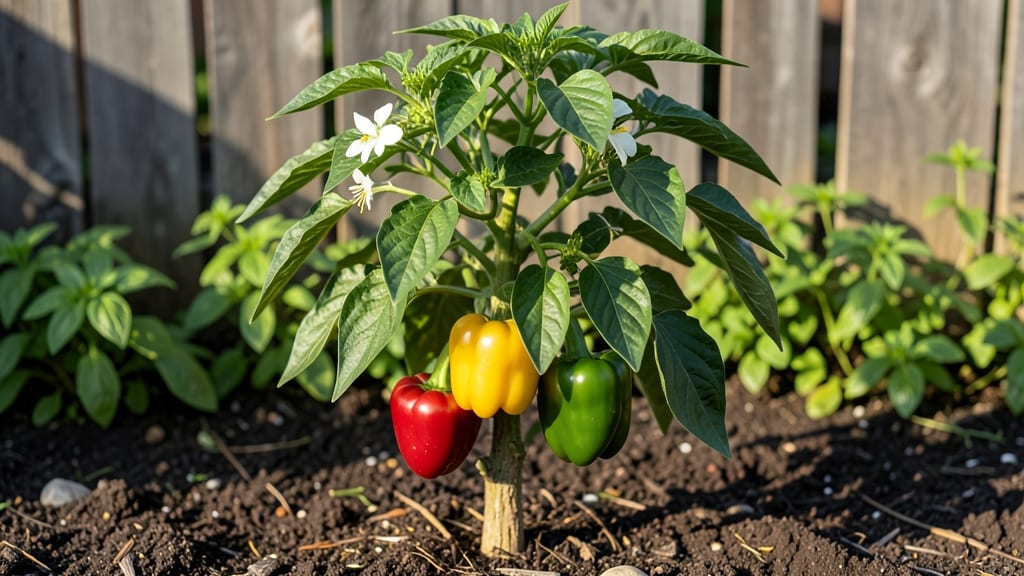
Growing bell pepper sprouts into thriving plants is easier than you think—especially when you train them up poles to save space. 🌱 I’ve grown peppers in tiny balconies and still ended up with bushels of sweet, glossy peppers by midsummer, and the secret starts with those first fragile sprouts.
The trick to strong starts is patience and warmth—pepper seeds need consistent 75-85°F soil to germinate, which means a seedling heat mat or sunny windowsill is your best friend. Most seeds pop up in 7-14 days, but if yours take longer, don’t panic—just keep the soil moist and warm.
Weak sprouts? They often just need more light or less water.
Once those first green leaves appear, you’ll be transplanting them into 5-gallon pots or garden beds with well-draining soil. Pole training kicks in early—tie stems to 5-6 foot trellises when they’re just 6 inches tall, and watch them climb toward the sun.
By summer, you’ll have a vertical pepper factory taking up almost no space.
This method works for any small garden, balcony, or even a sunny windowsill. The key is starting right—so let’s get those seeds sprouting and those peppers growing strong from the beginning.
📚 In This Guide
- What you need
- Instructions
- Tips and common mistakes
- Wrapping up and next steps
What you need
- ● Bell Pepper Seeds: 3–5 seeds per plant (choose disease-resistant varieties like Jupiter or California Wonder for best results).
- ● Sprout Seeds: 1–2 tbsp of fast-sprouting seeds (e.g., broccoli, radish, or alfalfa) per container.
- ● Growing Containers: 1–2 5-gallon fabric grow bags (with drainage holes) for peppers.
- ● 1 shallow tray or mesh basket (12" x 20") for sprouts.
- ● Pole/Trellis System: 1 6–8 ft bamboo stake or metal pole (½" diameter).
- ● 1 twine or jute twine (100 ft roll, ¼" width) for training.
- ● Potting Mix: 1 bag well-draining organic potting soil (e.g., Miracle-Gro Moisture Control or FoxFarm Ocean Forest).
- ● 1 cup perlite or vermiculite (for aeration).
- ● Basic Gardening Tools: 1 hand trowel (for transplanting).
- ● 1 pruning shears (for harvesting sprouts).
- ● 1 spray bottle (for misting sprouts).
- ● Fertilizer: 1 balanced liquid fertilizer (e.g., Fish emulsion or 10-10-10 NPK).
- ● 1 calcium supplement (e.g., crushed eggshells or gypsum) to prevent blossom-end rot.
- ○ Optional (But Helpful!): 1 grow light (if starting indoors before last frost).
- ● 1 drip irrigation kit (for consistent moisture).
- ● 1 pH testing kit (ideal soil pH: 6.0–6.8 for peppers).
- ● 1 row cover or shade cloth (30–50% shade for hot climates).
Step-by-step instructions for growing sprouts and bell peppers together
Here’s how to maximize space and yield by training both sprouts and bell peppers vertically.
🪴 Step 1: Set Up Your Pole System
Start with a sturdy 6-foot tall trellis or bamboo pole placed in a sunny corner of your garden. Sprouts will climb the lower half, while bell peppers can grow upward along the same structure. Secure the pole firmly in the ground or a container, ensuring it won’t wobble when plants lean against it. I like to use a simple wooden frame wrapped with twine for extra grip—sprouts have delicate stems that need gentle support.
For containers, use a deep pot with drainage and place the pole inside before planting. This keeps roots contained while allowing both plants to grow upward. The key is spacing: place sprouts 12 inches apart at the base and bell pepper seedlings 18 inches apart around the pole. This gives each plant room to spread its leaves without competing for light.
🌱 Step 2: Plant Sprouts and Bell Peppers Together
Begin by planting sprouts at the base of the pole, pressing seeds ½ inch deep into moist soil. Sprouts grow fast, so I like to sow them first—this gives them a head start before bell peppers need space. Water gently after planting to settle the soil, but avoid soaking it. You’ll see tiny sprouts emerge in 5-7 days, signaling it’s time to plant bell pepper seedlings around them.
Transplant bell pepper seedlings once they’ve developed 3-4 true leaves, spacing them evenly around the pole. These plants need more room, so don’t crowd them. Gently tie the main stem of each bell pepper to the pole with soft twine as it grows, guiding it upward. Sprouts will naturally climb the pole’s lower sections, creating a lush, vertical garden that saves space.
☀️ Step 3: Provide Light and Water for Both Plants
Both sprouts and bell peppers thrive in full sun (6-8 hours daily), but they have different water needs. Sprouts prefer consistent moisture—keep the soil damp but not soggy, especially during their rapid growth phase. Bell peppers, however, need slightly drier soil to prevent root rot. Water deeply 2-3 times per week, adjusting based on rainfall and temperature.
Here’s the trick: water the base of the pole in the morning, letting the moisture wick up to both plants. You’ll notice sprouts growing vigorously within 2-3 weeks, while bell peppers will develop stronger stems as they climb. If leaves start yellowing, it’s a sign of overwatering—cut back to once a week until the soil feels dry to the touch.
✂️ Step 4: Prune and Train for Maximum Yield
As sprouts mature, gently weave their vines around the pole’s twine or use small clips to secure them without damaging the stems. This encourages upward growth and prevents sprawling. For bell peppers, prune any suckers (side shoots) that form in the leaf axils to direct energy toward fruit production. You’ll see stronger, more productive plants when you focus on the main stem and branches.
Harvest sprouts by snipping the top leaves when they reach 6-8 inches tall. This promotes bushier growth and ensures a continuous supply. Bell peppers, on the other hand, need patience—wait until they’re fully colored and firm before picking. The pole system keeps fruits accessible and reduces the risk of them touching the ground, which can lead to rot or pest issues.
🌿 Step 5: Maintain Through the Season
Fertilize lightly every 4-6 weeks with a balanced organic fertilizer to support both plants. Sprouts are light feeders, while bell peppers benefit from a bit more nitrogen early on and phosphorus later for fruiting. Monitor for pests—aphids love sprouts, and pepper plants can attract spider mites. A quick spray of neem oil or insecticidal soap keeps them at bay without harming your harvest.
By late summer, you’ll have a thriving vertical garden: tender sprouts at the top and ripe bell peppers hanging along the pole. The beauty of this setup is how it maximizes small spaces while keeping both plants healthy and productive. Just keep an eye on the pole’s stability, especially during wind or rain, and your garden will reward you with a bountiful harvest.
Tips & tricks for perfect vertical sprouts and bell pepper gardens
This clever pairing saves space while boosting yields—here’s how to make it work flawlessly.
Pole Stability is Everything: I can’t stress this enough—your 6-foot pole needs to be rock-solid. If it wobbles, both plants will struggle to climb properly. For extra security, bury the base 12 inches deep in the ground or anchor it with stakes. In containers, use a heavy pot or add weights at the base. Think of it like training for a marathon: a shaky foundation means both plants will fail to reach their potential.
Timing Your Planting Pays Off: The 5-7 day window between planting sprouts and bell peppers is your secret weapon. Start sprouts first—they grow fast and will have established their climbing habits by the time bell pepper seedlings need space. If you plant them simultaneously, you’ll end up with crowded roots and stunted growth. I’ve learned this the hard way after watching sprouts get smothered by pepper seedlings!
Watering Wisdom for Two Different Plants: Here’s the trick I’ve perfected: water the base of the pole in the morning, then let capillary action do the work. The soil wicks moisture up to both plants, but you’ll need to adjust based on what you see. Sprouts will tell you when they’re thirsty—they’ll wilt slightly between waterings. Bell peppers, however, will show yellowing leaves if they’re getting too much. That’s your cue to cut back to once a week until the soil feels dry.
Harvesting Hacks for Continuous Supply: Don’t wait for sprouts to reach their full height before harvesting! Snip the top leaves when they hit 6-8 inches—this encourages bushier growth and gives you a steady supply. For bell peppers, wait until they’re fully colored and firm, but here’s a pro move: harvest in the morning when they’re cool. This preserves their crispness and sweetness longer. I’ve noticed a big difference in flavor when I follow this timing.
Pro Tips for Sprouts Bell Peppers
- This clever pairing saves space while boosting yields—here’s how to make it work flawlessly.
- Pole Stability is Everything: I can’t stress this enough—your 6-foot pole needs to be rock-solid.
- Timing Your Planting Pays Off: The 5-7 day window between planting sprouts and bell peppers is your secret weapon.
Frequently asked questions
Got questions about growing sprouts and bell peppers together? You’re not alone! Here are answers to the most common queries from gardeners just like you.
Can I grow sprouts and bell peppers in the same pot or container?
Yes, but with caution! Sprouts (like broccoli or radish) thrive in shallow containers, while bell peppers need deeper soil and more space. Use a large pot (at least 12" deep) or a raised bed, and plant sprouts in the early stages as a living mulch around the base of pepper plants. Just ensure the peppers get 6+ hours of sun—sprouts can shade them if overcrowded.
How long does it take for bell peppers to produce fruit when grown with sprouts?
Bell peppers typically take 60–90 days to bear fruit from transplant, regardless of companion plants. However, sprouts (like radishes or arugula) can speed up soil fertility with their quick growth cycle (3–4 weeks). Harvest the sprouts first, then enjoy peppers in late summer to fall—just keep an eye on moisture levels!
What if my bell peppers stop producing when sprouts are nearby?
Overcrowding or nutrient competition might be the culprit. Sprouts are heavy feeders! If peppers slow down, prune the sprouts once they bolt (flower) or harvest them early. Add a balanced fertilizer (like 10-10-10) to the soil, and ensure peppers get 1–2 inches of water weekly. Yellowing leaves? That’s a sign of stress—trim sprouts back!
Are there better edible companions for bell peppers than sprouts?
If sprouts aren’t your thing, try these pepper-friendly companions:
- Basil – Repels pests and boosts flavor!
- Marigolds – Deter nematodes naturally.
- Spinach or lettuce – Shade-tolerant and low-maintenance.
- Onions or garlic – Improve soil health and deter aphids.
Will sprouts attract pests that harm bell peppers?
Not usually! Most sprouts (like radishes or turnips) repel pests like aphids and flea beetles, which can plague peppers. However, cabbage worms might target sprouts like broccoli or kale—handpick them early. If pests appear, spray with neem oil or introduce ladybugs for natural control. Monitor both plants closely!
Wrapping up and next steps
Growing sprouts and bell peppers together in a pole-trained system isn’t just space-smart—it’s a flavorful and rewarding way to maximize your small garden’s potential! 🌱 With the right setup, you’ll enjoy fresh, homegrown veggies while keeping pests at bay and boosting yields.
Whether you’re a beginner or a seasoned gardener, this method proves that even limited space can yield big harvests.
Ready to take the next step? Start by gathering your supplies, sketch a simple trellis plan, and plant those seeds with confidence. Your future self (and taste buds!) will thank you. Happy growing! 🌟