
Vegetables
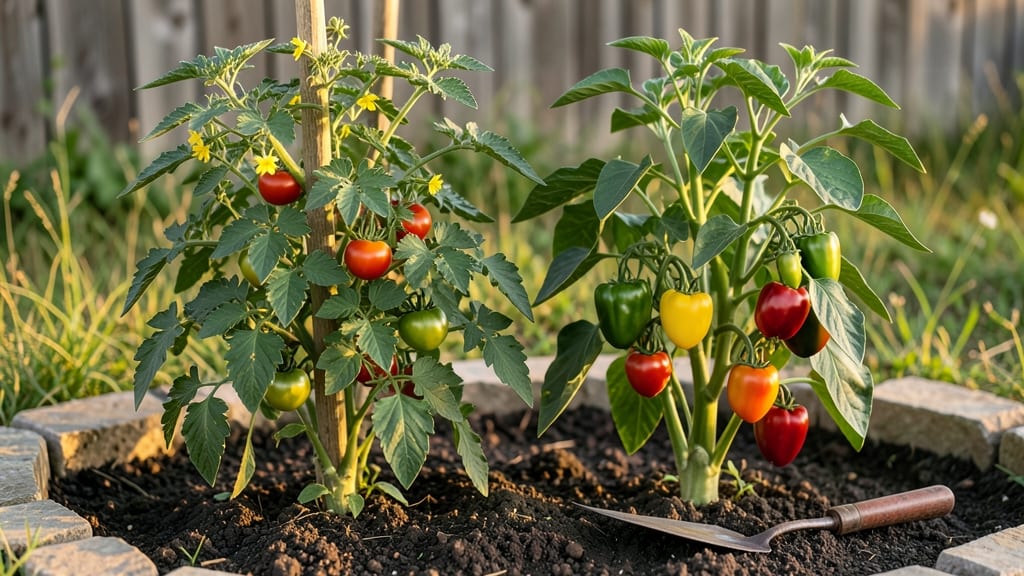
Growing tomatoes and peppers together on poles turns a tiny yard into a high-rise harvest factory. 🌱 I learned the hard way that cramming them into the ground leads to crowded plants and disease—until I switched to vertical training and watched my yields triple in the same footprint.
The secret isn't fancy equipment: sturdy 6-foot stakes or trellis netting, a rich compost-amended soil mix, and a watering routine that keeps roots consistently moist but never soggy.
Most gardeners overwater, which is why their peppers crack and tomatoes split—we'll fix that with a simple schedule tied to your local climate. By midsummer, you'll be picking vibrant red tomatoes and fiery peppers that dwarf what you'd get from store-bought plants.
The pole system also keeps fruits off the ground, reducing rot and making harvests easier on your back. Works for balconies, rooftops, or even a sunny corner of your patio. Here's exactly how to set it up without taking over your space!
📚 In This Guide
- What you need
- Instructions
- Tips and common mistakes
- Wrapping up and next steps
What you need
- ● Tomato and Pepper Seeds or Seedlings: 3–5 tomato seeds/seedlings (dwarf or determinate varieties like 'Roma,' 'Cherry,' or 'Celebrity' work well for poles)
- ● 2–3 pepper seeds/seedlings (compact varieties like 'Jalapeño,' 'Bell Pepper,' or 'Shishito' thrive on poles)
- ● Growing Containers or Raised Beds: 5-gallon pots (1 per plant) or a raised bed (at least 12" deep, 18" wide)
- ● Well-draining soil mix (compost + potting soil, 60/40 ratio)
- ● Pole Training Supports: 3–5 bamboo stakes (6–8 ft tall) or trellis netting (5 ft wide)
- ● Soft twine or plant ties (10–15 ft, biodegradable preferred)
- ● Basic Gardening Tools: Trowel or hand shovel
- ● Pruning shears (for trimming suckers)
- ● Watering can or hose with a gentle spray nozzle
- ○ Optional (But Helpful!): Fertilizer (balanced 10-10-10 or organic options like compost tea)
- ● Mulch (straw or shredded leaves to retain moisture)
- ● Shade cloth (for seedlings if temps exceed 90°F)
- ● Garden gloves (to protect your hands)
- ● Full sun (6–8+ hours daily)
- ● Warm soil (at least 60°F for peppers, 70°F+ for tomatoes)
- ● Protection from strong winds (use stakes or a small windbreak if needed)
Step-by-step instructions for pole-trained tomatoes and peppers
Here's how I maximize small-space yields with vertical growing—no sprawling plants, just lush, productive vines.
🪴 Step 1: Set Up Your Support System
Start with sturdy 5-6 foot tall bamboo stakes or a heavy-duty trellis for each plant. I pound the stakes 6 inches deep into the soil or secure the trellis with galvanized wire tied to existing posts. The key is stability—any wobble stresses the plants as they grow heavier with fruit.
For tomatoes, I use a single strong stake or a cage-like structure for indeterminate varieties that keep growing. Peppers, which are more compact, do well with 2-3 stakes per plant tied together in a tripod shape. This gives them support without restricting their natural bushy shape.
🌱 Step 2: Plant Deep and Stake Early
Dig holes twice as deep as the root ball for both tomatoes and peppers. This encourages deeper root growth, which means more stable plants as they bear fruit. I bury about ⅔ of the plant's stem—yes, that looks like too much soil at first, but trust me—it produces stronger roots and a more vigorous plant.
As soon as you plant, tie the main stem to the stake or trellis with soft plant ties (never wire—it cuts into stems). For tomatoes, I loop the tie around the stem and stake gently, leaving room to add more as the plant grows. Peppers, being sturdier, only need securing once or twice during their growth.
☀️ Step 3: Train Vines as They Grow
Here's where it gets fun—watch for the main stem to reach your first tie point, then gently weave it around the stake or trellis in a spiral pattern. For tomatoes, I let the suckers (side shoots) grow until they're about 6 inches long, then pinch them off to direct energy to the main vine and fruit production.
Peppers don't need pruning, but you'll want to guide their branches toward the support as they grow. I use soft twine to loosely tie branches to the stakes, keeping them upright and preventing them from touching the ground where disease lurks. This keeps the plants open to air circulation, which is crucial for preventing fungal issues.
💧 Step 4: Water and Feed for Vertical Growth
Water at the base of the plant, not overhead, to keep leaves dry and prevent disease. I water deeply 2-3 times per week until the top 2 inches of soil feel moist. Let the soil dry slightly between waterings—consistent moisture is key, but soggy soil invites root rot. Mulch around the base with 2-3 inches of straw to retain moisture and keep roots cool.
Feed with a balanced fertilizer (like 10-10-10) every 2-3 weeks once flowers appear. I mix it into the soil around the base, not on the leaves, to avoid burning the foliage. For extra flavor and yield, switch to a low-nitrogen, high-phosphorus fertilizer (like 5-10-10) when flowers start setting fruit.
✂️ Step 5: Prune and Harvest for Continuous Production
For tomatoes, keep pruning suckers (those little shoots in the leaf axils) to encourage more fruit production. You'll see new leaves emerge after pruning—that's your signal everything is working. For peppers, simply remove any damaged or diseased leaves by cutting them off at the base with clean scissors.
Harvest tomatoes when they're fully colored and slightly soft to the touch. For peppers, pick when they reach their mature size and color—this encourages the plant to produce more. I harvest in the morning when the fruit is cool, which preserves flavor and texture. Store them in a cool, dry place until ready to use.
Tips & tricks for pole-trained tomatoes and peppers
Real talk: Vertical gardening transforms small spaces into productive powerhouses. Here's what nobody tells you about keeping your pole-trained plants thriving.
Support System Stability: When pounding those 5-6 foot stakes 6 inches deep, use a rubber mallet instead of a hammer to avoid damaging the roots. For trellises, add diagonal cross-bracing between stakes—this prevents leaning, especially important when tomatoes get heavy with fruit. I've seen stakes topple when they weren't properly secured at the base.
Root Development Hack: The deep planting trick works wonders, but here's the secret: After burying ⅔ of the stem, water thoroughly to encourage root formation along the buried portion. This creates a stronger anchor system. I like to add a handful of compost to the planting hole before burying—it gives those new roots a nutrient boost right from the start.
Tie-Up Technique: For tomatoes, I use Velcro plant ties instead of twine—they're gentler on stems and easier to adjust as the plant grows. When training vines, don't pull them tight—leave about 1 inch of slack so the plant can grow toward the light. For peppers, focus on securing the main branches rather than every single stem to avoid restricting airflow.
Watering Wisdom: Those 2-3 inches of straw mulch make all the difference—it's not just about moisture retention. The mulch also insulates roots from temperature swings and prevents soil-borne diseases from splashing onto leaves. I water in the early morning so the foliage has time to dry before evening, which drastically reduces fungal risks.
Pro Tips for Tomato And Peppers
- Real talk: Vertical gardening transforms small spaces into productive powerhouses.
- Support System Stability: When pounding those 5-6 foot stakes 6 inches deep, use a rubber mallet instead of a hammer to avoid damaging the roots.
- Root Development Hack: The deep planting trick works wonders, but here's the secret: After burying ⅔ of the stem, water thoroughly to encourage root formation along the buried portion.
Frequently asked questions
Got questions about growing tomatoes and peppers together? You’re not alone! Here are answers to the most common queries to help you grow a thriving, space-efficient garden.
Can tomatoes and peppers grow well together in the same garden?
Both thrive in similar conditions—warm soil, full sun, and consistent moisture. Tomatoes love vertical space (perfect for pole training!), while peppers stay compact. Just ensure they have enough airflow to prevent diseases like blight. Pro tip: Plant peppers first—they germinate faster and can shade the soil to retain moisture for tomatoes.
When is the best time to plant tomatoes and peppers together?
Start seeds indoors 6–8 weeks before your last frost date (typically March–April for most climates). Transplant seedlings outdoors after soil warms to 60°F+ and nighttime temps stay above 50°F. Peppers are more frost-sensitive, so wait until 2 weeks after tomatoes if your season is short. Use row covers for early starts!
What if I don’t have pole supports? Are there alternatives?
No poles? No problem! Try these space-saving hacks:
- Cages: Sturdy wire or plastic cages (5–6 ft tall) work for indeterminate tomatoes.
- Trellises: DIY with bamboo stakes or repurpose a fence or pergola.
- String method: Tie tomatoes to a tall post with soft twine (like a "Florida weave").
- Peppers: Let them sprawl in containers or use low cages if needed.
How do I keep pests away from both plants?
Tomatoes and peppers attract similar pests (aphids, hornworms, spider mites). Try these organic fixes:
- Neem oil: Spray foliage weekly for aphids and mites.
- Row covers: Use lightweight fabric to block flying insects early in the season.
- Handpick: Remove hornworms (they’re camouflaged—look for black stripes!).
- Companion plants: Interplant with basil, marigolds, or onions to deter pests.
Why are my peppers turning yellow or dropping?
Yellowing or dropping peppers usually signal underwatering, overwatering, or nutrient issues. Check these fixes:
Issue
Solution
Crispy edges + wilting
Water deeply 1–2 inches per week (peppers hate soggy roots!).
Yellow leaves + stunted growth
Fertilize with balanced 10-10-10 or compost. Peppers need less nitrogen than tomatoes.
Dropping flowers/fruit
Ensure temps stay above 70°F during the day. Use row covers if nights dip below 55°F.
Wrapping up and next steps
Growing tomatoes and peppers on a pole isn’t just space-efficient—it’s a game-changer for small gardens! With the right setup, you’ll enjoy bountiful harvests while keeping pests at bay and maximizing every inch of your yard.
Whether you’re a beginner or a seasoned gardener, this method proves that big yields don’t require big plots—just creativity and a little patience.
Ready to transform your garden? Start by planting your seeds or seedlings this season, then watch your vertical garden thrive! 🌱🍅🌶️ Happy growing—and may your harvest be plentiful!