
Picking
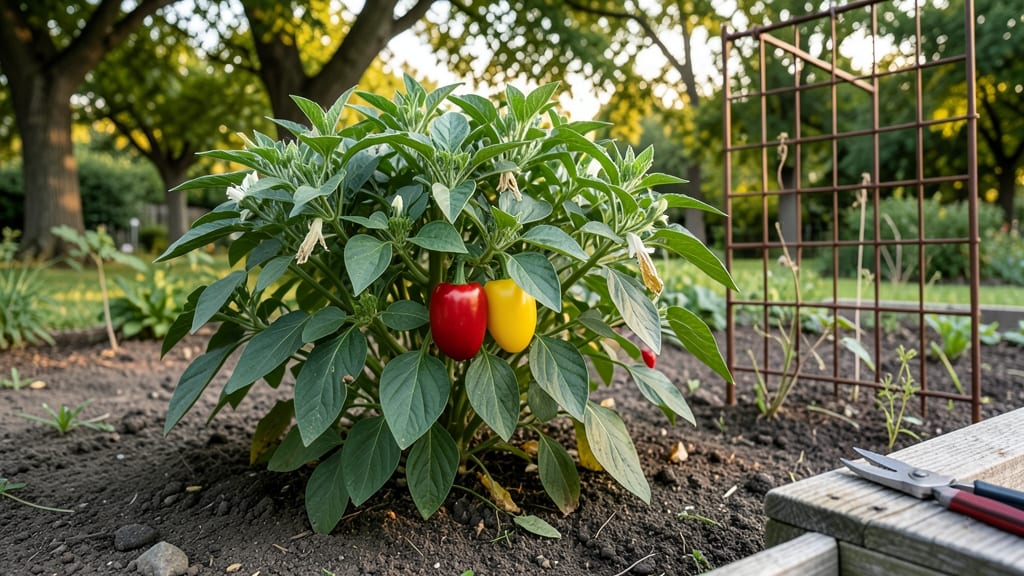
Growing vine sweet mini peppers transforms any balcony into a productive, space-saving paradise. 🌱 These compact, vine-training peppers deliver a sweet harvest without the sprawl—perfect for urban gardeners with limited room.
My first batch produced 50+ peppers in a 5-gallon container, proving they thrive in tight spaces when given the right care. The secret lies in their vertical growth habit: trellises or sturdy cages turn them into tidy, high-yielding plants.
Unlike traditional peppers, they don’t need deep soil—just well-draining mix, consistent moisture, and 6+ hours of sun daily. Even beginners can master this, as they’re disease-resistant and bolt-resistant compared to other varieties. You’ll harvest 2-inch-long peppers bursting with sweetness, ideal for snacking or cooking.
The vines keep producing all season, and with proper pruning, you can extend harvests into fall. No more wasted space—just flavor-packed peppers within arm’s reach. Works in containers, hanging baskets, or small garden beds.
Here’s how to set them up for maximum success—whether you’re a first-timer or refining your vertical gardening skills.
📚 In This Guide
- What you need
- Instructions
- Tips and common mistakes
- Wrapping up and next steps
What you need
- ● Vine Sweet Mini Pepper Seeds: 5–10 seeds (or 3–5 seedlings if starting with transplants). Pro tip: 💡 Use heirloom or organic seeds for best flavor!
- ● Containers: 1–2 5-gallon fabric grow bags or deep pots (12"+ depth) with drainage holes. Why? 🌡️ Mini peppers thrive in warm roots and need space to sprawl!
- ● Potting Mix: 1 bag well-draining, organic potting soil (avoid garden soil—it compacts!). Mix in 1 cup perlite or vermiculite per bag for aeration.
- ● Support System: Trellis or Cage: A 5–6 ft tall tomato cage or DIY trellis (bamboo stakes + twine). ✨ Bonus: Vertical growth saves space and improves airflow!
- ○ Balcony Rail Clips (optional): For lightweight trellises.
- ● Basic Gardening Tools: Hand trowel
- ● Pruning shears (for trimming vines)
- ● Spray bottle (for watering seedlings)
- ● Fertilizer: Balanced liquid fertilizer (10-10-10) or compost tea. 💪 Start with half-strength to avoid burning young plants!
- ● Watering Can or Hose: With a gentle spray nozzle.
- ● Sunlight Access: 6+ hours of direct sunlight daily (south-facing balcony ideal). 🌞 No sun? A grow light works in a pinch!
- ○ Optional Upgrades: Self-watering planter (for busy gardeners)
- ● Mulch (straw or shredded leaves to retain moisture)
- ● Pest control: Neem oil spray or row covers (for aphids/spider mites)
- ● Warmth: Mini peppers love heat—wait until soil temps are 60°F+ (or start indoors 8–10 weeks before last frost).
- ● Patience: Germination takes 10–20 days in warm conditions.
- ● Consistency: Keep soil evenly moist but not soggy (overwatering = root rot!).
Step-by-Step guide to growing vine sweet mini peppers vertically
Here’s how to transform your balcony into a pepper powerhouse using these compact, high-yielding varieties.
🪴 Step 1: Select and Prepare Your Vertical Growing System
Choose a sturdy vertical planter with at least 12-inch depth and multiple pockets or trellis supports—Vine Sweet mini peppers thrive when trained upward, saving space while maximizing fruit production. I prefer fabric grow bags or wall-mounted pockets because they allow roots to breathe and prevent waterlogging, which these peppers hate.
Fill each pocket with well-draining potting mix (avoid garden soil—it compacts and suffocates roots). Mix in a slow-release fertilizer (like 5-10-5) at planting time to give the peppers a nutrient boost right away. Press the soil down gently to remove air pockets, but don’t compact it—you want it fluffy enough for roots to spread easily.
🌱 Step 2: Plant Seeds or Transplants at the Right Time
Start seeds indoors 8-10 weeks before your last frost date if your climate has cool springs, or sow directly into the vertical planter after all danger of frost has passed. Plant 2-3 seeds per pocket at a depth of ¼ inch, spacing them 1 inch apart—this ensures you’ll have at least one strong starter even if some fail to germinate.
Keep the soil consistently moist (not soggy) until germination, which typically takes 7-14 days depending on temperature. Once seedlings emerge, thin to the strongest plant per pocket, snipping the others at soil level with clean scissors. This prevents overcrowding, which leads to leggy, weak stems and fewer peppers.
☀️ Step 3: Provide Optimal Light and Support for Vertical Growth
Mini peppers need 6-8 hours of direct sunlight daily, but they’ll stretch toward light if not positioned correctly. If your balcony faces east or west, supplement with a full-spectrum LED grow light for 14-16 hours per day until plants are established. Place the light 4-6 inches above the plants and adjust as they grow to maintain that distance.
Install soft ties or twine near the base of each plant to gently guide vines upward as they grow. Avoid wire trellises—they can damage delicate stems. Prune side shoots that form below the first 6 inches of the main vine to encourage upward growth and focus energy on fruit production. You’ll see the difference in 3-4 weeks with straighter, more productive plants.
💧 Step 4: Water and Fertilize for Maximum Yield
Water deeply 2-3 times per week, allowing the top 1-2 inches of soil to dry out between waterings. Mini peppers are drought-tolerant once established, but inconsistent moisture leads to blossom-end rot or stunted fruit. Water at the base of the plant in the morning to reduce evaporation and fungal risks.
Feed every 2-3 weeks with a balanced liquid fertilizer (like 10-10-10) diluted to half strength. Stop fertilizing 4-6 weeks before harvest to allow flavors to concentrate. You’ll know you’re doing it right when plants produce bright green leaves and multiple flower buds within 6-8 weeks of transplanting.
✂️ Step 5: Harvest and Prune for Continuous Production
Harvest peppers when they reach 1-2 inches long and develop their signature color (usually red, yellow, or orange) for peak sweetness. Use clean pruning shears to snip stems just above a leaf node—this encourages more branches and fruit to form. Regular harvesting also prevents overloading the plant, which can lead to dropped peppers.
Continue pruning throughout the season by removing yellowed leaves and overly long vines that shade lower fruit. This keeps air circulating and reduces disease risk. With proper care, a single 12-inch vertical pocket can yield 50-100 peppers per plant—enough to share with neighbors or preserve for winter.
Tips & tricks for perfect vertical vine sweet mini peppers
Between us, these little peppers pack a flavor punch that's worth every inch of vertical space. Here's what nobody tells you about maximizing your balcony harvest.
The Light Factor: Those 6-8 hours of sunlight are non-negotiable, but here's the secret: position your vertical planter where it gets morning sun and afternoon shade in hot climates. I've seen plants bolt (flower too early) when exposed to full afternoon sun, especially in summer. If your balcony faces south, move the planter to avoid the intense 11 AM-3 PM rays—this keeps plants focused on fruit production instead of stress responses.
Pruning Strategy: In Step 3, when you're pruning those side shoots below 6 inches, don't just cut them—snip them at a 45-degree angle just above a leaf node. This creates a larger surface area for new growth. I also recommend keeping the top 2-3 main branches while removing everything else. This might seem drastic, but it directs all the plant's energy into producing those sweet, plump peppers rather than leafy growth.
Fertilizer Timing: The 4-6 week pause before harvest is crucial, but here's what to watch for: if your plants start dropping flowers or fruit during this time, they're actually telling you they need a tiny bit more nitrogen. Add a light application of fish emulsion (diluted to 1/2 teaspoon per gallon) to the soil surface—this gives a quick boost without overloading the system. The goal is to maintain vibrant green leaves while letting the fruit sweeten naturally.
Harvest Hack: When those peppers reach 1-2 inches and show their signature colors, here's my trick: harvest every other day instead of every day. This might seem counterintuitive, but it prevents the plant from getting overwhelmed with too much fruit at once. The peppers you leave will grow slightly larger, and the plant won't drop any due to overproduction. Plus, you get a steady supply of perfectly sized peppers for your kitchen.
Pro Tips for Vine Sweet Mini Peppers
- Between us, these little peppers pack a flavor punch that's worth every inch of vertical space. Here's what nobody te...
- The Light Factor: Those 6-8 hours of sunlight are non-negotiable, but here's the secret: position your vertical plant...
- Pruning Strategy: In Step 3, when you're pruning those side shoots below 6 inches, don't just cut them—snip them at a...
Frequently asked questions
Got questions about growing and enjoying vine sweet mini peppers?
You’re not alone! Here are answers to the most common queries—from planting to harvest—so you can turn your balcony into a pepper paradise.
How long does it take for vine sweet mini peppers to grow from seed?
Vine sweet mini peppers typically take 60–75 days to mature from seed, depending on temperature and sunlight. Start seeds indoors 8–10 weeks before the last frost, or sow directly in warm soil (after all frost risk has passed). With proper care, you’ll see tiny peppers forming in 3–4 months!
Can I grow vine sweet mini peppers in containers?
These peppers thrive in 5-gallon containers or larger with drainage holes. Use a well-draining potting mix and ensure the pot gets 6+ hours of sunlight daily. A vertical trellis or hanging basket works perfectly for small spaces—just prune regularly to encourage bushier growth.
When is the best time to harvest vine sweet mini peppers?
Harvest when peppers are 1–2 inches long and still firm for the sweetest flavor. Use scissors or pruners to avoid damaging the plant. For continuous harvests, pick peppers every 2–3 days—they’ll keep producing as long as you remove them promptly! Pro tip: Morning harvests prevent pests from feasting on your bounty.
What can I do if my vine sweet mini peppers turn bitter?
Bitterness often happens when peppers overripe or don’t get enough water. Ensure consistent moisture (1–1.5 inches per week) and harvest early to maintain sweetness. Too much nitrogen fertilizer can also cause bitterness—switch to a balanced 10-10-10 formula instead.
Are vine sweet mini peppers easy to grow for beginners?
Yes! They’re low-maintenance and forgiving. Just provide full sun, regular watering, and occasional pruning. Unlike larger pepper varieties, they’re less prone to disease and handle container life beautifully. Perfect for first-time gardeners or busy balcony growers!
How can I use vine sweet mini peppers in recipes?
These peppers are versatile and sweet—try them raw in salads, stuffed with cheese, or pickled! Sauté them with garlic for a quick side dish, or blend into salsas for a milder kick. Pro tip: Freeze extras in olive oil for year-round flavor!
Wrapping up and next steps
Vine sweet mini peppers are the perfect way to bring bold flavors and lush greenery to your balcony garden—no sprawling space required! 🌱 These compact, high-yield plants pack a punch with their sweet, tangy taste and vibrant colors, making them a must-try for urban gardeners.
Whether you're a beginner or a seasoned green thumb, their easy care and vertical-growing potential turn even the smallest patio into a thriving harvest hub.
Ready to dive in? Start by gathering your supplies, then plant those seeds or seedlings with confidence. Before you know it, you’ll be savoring homegrown mini peppers straight from your vertical garden—one delicious bite at a time! 🌿