
Plants
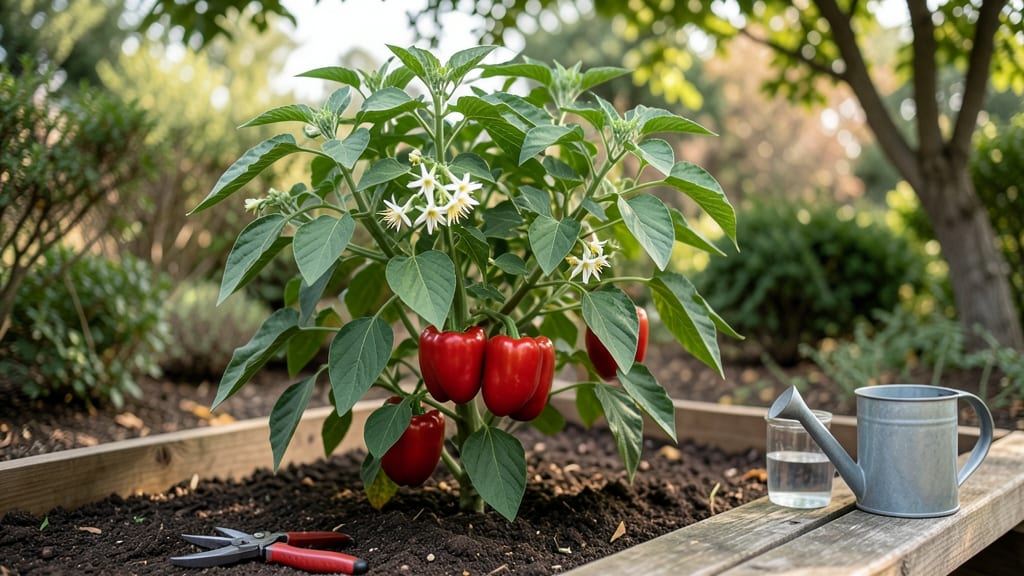
A ripe red pepper looks glossy and vividly red, with shapes ranging from long and tapered (like jalapeños) to broad and rounded (such as bell peppers), featuring smooth, slightly waxy skin and a crisp, firm feel. Their sizes vary widely based on the specific type.
A red pepper's appearance changes dramatically as it ripens, starting green and turning bright red when fully mature. 🌶️ This color shift happens because chlorophyll breaks down while carotenoids (the same pigments in carrots) develop, giving peppers their signature hue.
The glossy sheen comes from a natural waxy coating that protects the pepper while it grows. What's fascinating is how environmental factors like sunlight exposure can influence the depth of the red—more direct sun often means a richer, more vibrant color.
Beyond just color, the shape and size provide key clues about the pepper's identity. For example, bell peppers typically grow blocky and squat, while cayenne peppers stay slender and elongated.
The skin texture also varies—some varieties have a smoother finish, while others develop a slightly bumpy or ribbed appearance as they mature. These visual differences aren't just cosmetic; they often correlate with heat levels and flavor profiles too.
💡 In This Article
- Red Pepper Growth Stages: From Green to Red
- Popular Red Pepper Varieties and Their Distinct Appearances
Red pepper growth stages: from green to red
The transformation from green to red in peppers begins with chlorophyll—the pigment responsible for their initial green color. As peppers mature, chlorophyll breaks down through a process called degradation, triggered by enzymes like chlorophyllase. This happens gradually over 4-8 weeks, depending on the variety and growing conditions.
During this time, carotenoids—pigments like lycopene (which gives tomatoes their red hue) and capsanthin—become more dominant, creating the vibrant red we associate with ripe peppers.
Sunlight plays a crucial role in this color shift. Peppers exposed to full sunlight (6-8 hours daily) develop deeper, richer red hues because sunlight boosts carotenoid production. In contrast, peppers grown in shade may stay green longer or develop a duller red.
Temperature also matters: cooler nights (55-65°F) slow ripening, while warmer days (75-85°F) accelerate it. The waxy coating on the pepper’s skin—composed of cutin and wax esters—helps regulate moisture loss, ensuring the pepper stays firm and glossy during ripening.
What’s fascinating is that this color change isn’t just about aesthetics—it’s a survival strategy. Red peppers are more visible to animals, which helps disperse their seeds.
The shift also signals that the pepper has reached its peak flavor and nutritional value, with higher levels of vitamin C and capsaicin (in hot varieties). For example, a bell pepper’s vitamin C content can increase by 30-50% as it turns red, making it a powerhouse of nutrition. 🌱
Not all peppers ripen uniformly, though. Some varieties, like jalapeños, may turn red in patches before fully maturing, while others, like bell peppers, develop an even, uniform red.
The stem also changes—it often hardens and dries slightly as the pepper ripens, making it easier to pick without damaging the fruit. This is why gardeners recommend harvesting peppers when they’re fully colored and slightly firm to the touch, ensuring both flavor and texture are at their best.
Environmental stress, such as inconsistent watering or nutrient deficiencies, can disrupt this process. For instance, a sudden drop in temperature or drought conditions might cause peppers to ripen unevenly or develop a pale, washed-out red.
This is why growers often use mulch to maintain soil moisture and temperature, creating ideal conditions for even ripening. The result? Peppers that are not only visually stunning but also packed with flavor and nutrients. 🌿