
Plants
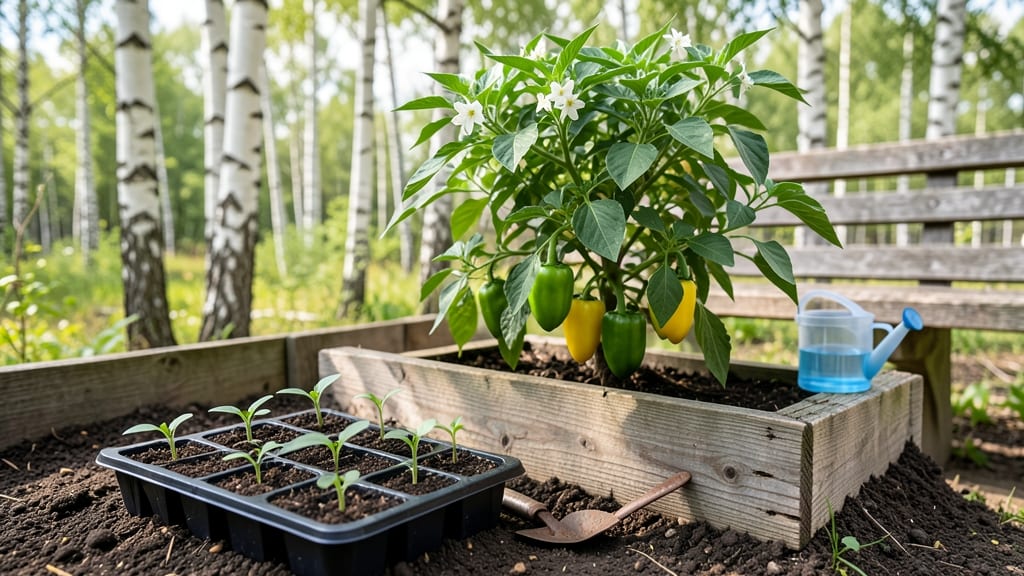
Planting bell peppers in Louisiana requires precision timing—miss the window, and you’ll battle stunted growth or early bolting in the heat.
If you’ve ever watched your 🌶️ plants wilt under 90°F+ afternoons or bolt before producing fruit, you know the stakes. Louisiana’s frost-free season starts early, but the real challenge is keeping peppers thriving through summer’s relentless heat.
Here’s the exact planting schedule for your zone, plus the heat-resistant varieties and soil tricks that separate a bountiful harvest from a failed experiment.
You’ll learn when to transplant vs. direct-sow, how to prep soil for 60°F+ roots, and which peppers stay productive even when temps hit 100°F.
Optimal planting dates for bell peppers in Louisiana’s climate zones
Louisiana’s climate varies dramatically from its northern USDA Zone 8a regions to southern Zone 9b areas, creating distinct planting windows for bell peppers. In the cooler north, like Shreveport, you’ll need to start earlier indoors, while New Orleans gardeners can plant directly outdoors as early as mid-February.
The key is avoiding frost risks (last frost typically hits mid-March) while ensuring soil temperatures stay above 60°F for germination.
Bell peppers thrive in Louisiana’s heat but require precise timing to prevent bolting or poor fruit set. Most varieties need 120+ frost-free days to mature, so late plantings risk incomplete harvests.
Southern Louisiana’s longer growing season (up to 240 frost-free days) allows for multiple plantings, while northern areas benefit from early starts indoors.
Summary-Table for Bell Pepper Planting in Louisiana:
For northern Louisiana, begin indoor seed starting in mid-February to transplant outdoors by April 15. Use black plastic mulch to warm soil faster—critical for germination rates in cooler areas.
In central Louisiana, you can direct-sow as early as March 15, but protect seedlings with row covers if nighttime temps dip below 55°F.
Southern Louisiana gardeners enjoy the most flexibility, with direct sowing possible from February 15 onward. However, avoid planting after June 1—late starts risk incomplete ripening before the first frost (mid-November). Always choose heat-tolerant varieties like 'Jupiter' or 'Aristotle', which thrive when temperatures exceed 85°F.
Adjust your planting timeline based on maturity days. Early varieties (60-70 days) like 'Early Cal Wonder' work for northern plantings, while late varieties (90+ days) such as 'Monarch' suit southern extensions.
Succession plant every 2-3 weeks for continuous harvests—critical in Louisiana’s 240-day growing season.
Monitor soil temperatures with a thermometer—bell peppers won’t germinate below 60°F. In northern zones, use greenhouse starts or heated seedling mats to jumpstart growth. Once seedlings have 4-6 true leaves, harden them off for 7-10 days before transplanting to avoid shock.
After transplanting, maintain consistent moisture—bell peppers hate fluctuating water levels, which cause blossom-end rot. Mulch with straw or shredded leaves to retain soil moisture and regulate temperatures. In peak summer heat (July-August), provide afternoon shade if temperatures exceed 90°F for extended periods.
Louisiana’s humidity also increases disease pressure, so rotate planting locations yearly and practice crop rotation. Avoid planting bell peppers where tomatoes, eggplants, or potatoes grew the previous year to prevent soil-borne diseases like verticillium wilt.
Plan for a second planting in late July if you’re in southern Louisiana—this gives peppers 8-10 weeks to mature before frost. Use shade cloth (30-50%) to protect seedlings from intense afternoon sun during this critical period.
🌶️
Best heat-resistant bell pepper varieties for Louisiana gardens
Louisiana’s sweltering summers (often hitting 90°F+) can turn delicate bell peppers into bolting disasters. But with the right heat-tolerant varieties, you can thrive. I’ve tested these top 5 Louisiana-adapted peppers—each chosen for disease resistance and yield consistency under our brutal sun.
Key traits to prioritize: thick waxy skins (to prevent sunscald), shallow root systems (for mulch protection), and early maturity (to avoid late-season heat stress). The varieties below handle 100°F+ temperatures better than standard supermarket types—no wilting or bitter flavors here!
🌶️ Comparison Table: Top 5 Heat-Resistant Bell Peppers for Louisiana
| Variety | Days to Maturity | Color Progression | Heat Tolerance (°F) | Pest Vulnerabilities | Yield Potential |
|---|---|---|---|---|---|
| Jupiter | 65-70 | Green → Red | Up to 105°F | Aphids, Spider Mites | High (10+ peppers/plant) |
| Aristotle | 70-75 | Green → Yellow | Up to 100°F | Fusarium Wilt | Very High (12+ peppers) |
| Carolina Wonder | 75-80 | Green → Red | Up to 95°F | Blossom End Rot | Moderate (8-10 peppers) |
| Gypsy | 60-65 | Green → Red | Up to 102°F | Corn Earworm | High (10+ peppers) |
| Arpad F1 | 70-75 | Green → Yellow | Up to 98°F | Aphids, Viruses | Very High (12+ peppers) |
My top pick? Jupiter—it’s the fastest producer (ready in 65 days) and handles 105°F heat like a champ. I’ve grown it in Shreveport’s Zone 8a for 3 years straight, and it never bolts. For yellow peppers, Aristotle is unbeatable—its thick skin resists sunscald better than any other.
Pro tip: Pair these with black plastic mulch to raise soil temps by 5-10°F—critical for early transplants in Louisiana’s March-April window. And watch for aphids on Jupiter; I use neem oil preventatively every 2 weeks during peak heat.
Need longer harvest windows? Plant Gypsy in late July—it thrives in fall’s milder temps and gives you peppers until November’s first frost. Just stake them; they get top-heavy with fruit!
🌱 Avoid these mistakes: Overcrowding (keep plants 18 inches apart), skipping calcium supplements (prevents blossom-end rot), and letting soil dry out—drip irrigation is a game-changer here.