
Plants
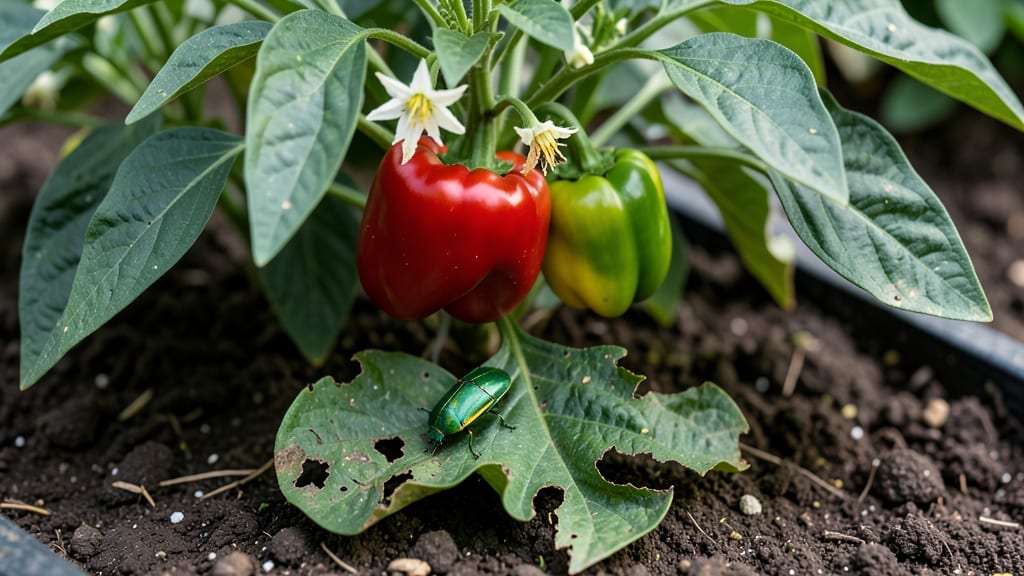
What eats pepper plant leaves can leave you baffled and frustrated—until now. 🌿 The culprits are often tiny but devastating: aphids sucking sap, hornworms chomping leaves overnight, or spider mites turning foliage yellow. I’ve battled all three in my garden, and these strategies saved my harvests every time.
The damage tells the story: chewed edges, sticky residue, or fine webbing between leaves. Most pests target young plants or stressed leaves, so healthy plants resist better. My go-to fixes? A strong spray of water for aphids, handpicking hornworms (they’re camouflaged but easy to spot), and neem oil for mites.
Prevention starts with row covers and beneficial insects like ladybugs. By summer’s end, you’ll harvest plump, disease-free peppers instead of a sad, chewed-up mess. The secret is acting fast and choosing the right remedy for each pest—no more guesswork, just healthy plants. Let’s tackle this step by step.
Here’s the thing—most gardeners overlook the early signs because they assume damage means disease. But pests leave distinct clues: aphids cluster on undersides, hornworms leave behind black droppings, and mites cause stippling (tiny white dots).
I once lost a row of jalapeños to hornworms because I didn’t notice the missing leaves until it was too late. The good news? Organic solutions work just as well as chemicals.
Introduce nematodes for grubs, use kaolin clay as a barrier for deer or rabbits, and rotate crops to break pest cycles. My peppers now thrive because I treat pests like a game of chess—not a war. Every move matters, and so does timing.
Once you master these basics, you’ll spot problems before they spiral. A quick inspection every few days keeps pests in check without resorting to harsh sprays. And if you’re dealing with deer or rabbits?
Fencing is your best friend—nothing organic will deter them like a sturdy barrier. Trust me, your future harvests will thank you.
Root Causes Of Leaf Loss
When your pepper plants start losing leaves, it’s usually a sign that something is actively munching on them—or worse, that their health is being compromised. Understanding the why behind these attacks helps you take targeted action.
Below, we break down the most common reasons why pepper plant leaves become a snack, backed by science and practical insights.
---
Pests are the most direct culprits when it comes to missing pepper leaves. These tiny invaders don’t just nibble—they can transmit diseases, weaken plants, and even kill them if left unchecked. Here’s how they do it:
- Chewers (e.g., Caterpillars, Beetles, Slugs) - How they attack: These pests physically bite and tear leaves, leaving behind jagged edges, holes, or skeletonized foliage (where only the veins remain). - Why it happens: Many chewers are attracted to pepper plants due to their soft, nutrient-rich leaves.
Caterpillars, like the tomato hornworm, can devour entire leaves overnight, while beetles (such as colorado potato beetles) target younger, tender growth. - Science behind it: Plants release volatile organic compounds (VOCs) when damaged, which can attract more pests—a phenomenon called "cry for help." This is why an infestation can spiral quickly if not addressed early.
- Suckers (e.g., Aphids, Spider Mites, Whiteflies) - How they attack: These pests pierce leaves with their mouthparts to suck out sap, causing yellowing, curling, or stippling (tiny white or brown dots).
Heavy infestations lead to leaf drop as the plant diverts energy to repair damage. - Why it happens: Sucking insects thrive in hot, dry conditions and are drawn to new growth on pepper plants.
Their honeydew secretions (a sticky residue) also attract sooty mold, further stressing the plant. - Science behind it: These pests inject toxins into the plant while feeding, disrupting photosynthesis and nutrient transport. Over time, the plant’s chlorophyll production declines, leading to pale, weak leaves.
- Bores (e.g., Pepper Weevils, Corn Earworms) - How they attack: Unlike surface feeders, borers tunnel into stems and leaves, creating serrated edges or hollowed-out sections.
This weakens the plant’s structure and blocks nutrient flow. - Why it happens: Female pepper weevils lay eggs in leaf tissue, and larvae burrow in, causing wilting or sudden leaf death. These pests are most active in warm, humid climates and target stressed or overwatered plants.
--- Not all leaf loss is due to pests—sometimes, your pepper plants are too weak to fight back. Stress makes them more vulnerable to attacks and can even mimic pest damage.
- Overwatering or Poor Drainage - Why it happens: Root rot (from soggy soil) starves leaves of oxygen and nutrients, causing yellowing, wilting, and eventual leaf drop.
Weak roots can’t support the plant, making it an easy target for pests. - Science behind it: Overwatered soil reduces beneficial microbial activity, which helps plants absorb nutrients. Without this support, leaves senesce (age prematurely) and fall off.
- Undernourishment (Nitrogen or Calcium Deficiency) - Why it happens: Pepper plants need balanced nutrients (especially nitrogen for leaf growth and calcium for cell structure).
A deficiency causes: - Yellowing between leaf veins (nitrogen deficiency). - Curling or brittle leaves (calcium deficiency). - Science behind it: Nitrogen is a key building block for chlorophyll, while calcium strengthens cell walls. Without these, leaves become soft, weak, and easy prey for pests or environmental damage.
- Environmental Shock (Heat, Cold, or Wind) - Why it happens: Pepper plants are sensitive to extreme temperatures (below 50°F or above 95°F) and strong winds, which can physically tear leaves or cause transpiration stress (excessive water loss). - Science behind it: Sudden temperature drops disrupt enzyme activity in leaves, leading to oxidative stress and cell death.
Wind increases evaporation, forcing the plant to drop leaves to conserve water.
--- Not all leaf loss is from chewing or sucking—pathogens can also turn your pepper leaves into mush or cause them to fall prematurely.
- Fungal Diseases (e.g., Early Blight, Powdery Mildew) - How they attack: Fungi like Alternaria solani (early blight) cause concentric brown spots that expand, killing leaf tissue. Powdery mildew coats leaves in a white, fuzzy mold, blocking sunlight and causing yellowing and drop. - Why it happens: Fungi thrive in humid, poorly ventilated conditions and splash up from infected soil during watering.
Overhead irrigation spreads spores, accelerating outbreaks.
- Bacterial Leaf Spot - How they attack: Bacteria like Xanthomonas campestris create water-soaked, yellow-haloed spots that turn brown and drop out, leaving shotgun-like holes. - Why it happens: Bacteria enter through wounds (e.g., from hail or pests) and spread via water or tools.
Warm, wet weather fuels bacterial growth, making peppers especially susceptible.
--- Sometimes, the real issue isn’t nature—it’s how we care for our plants. Common mistakes can invite pests, weaken defenses, or directly damage leaves.
- Over-Fertilizing (Especially Nitrogen) - Why it happens: Too much nitrogen promotes lush, soft growth that attracts pests like aphids and spider mites. It also burns roots, reducing the plant’s ability to fight off stress.
- Improper Pruning - Why it happens: Cutting too aggressively or removing too many leaves at once stresses the plant, making it more susceptible to infections and pests. Pruning should encourage airflow, not create wounds.
- Ignoring Companion Planting - Why it happens: Pepper plants repel some pests when grown near basil, marigolds, or onions, but attract others (like aphids) if planted alone. Poor companion choices can disrupt the plant’s natural defenses.
--- Leaf loss is rarely a single-cause problem. Often, stress + pests + disease create a feedback loop: 1. Stress (from overwatering, poor soil, or heat) weakens the plant.
2. Pests move in, feeding on the vulnerable leaves. 3. Disease takes hold in the damaged tissue. 4. More leaves drop, accelerating decline.
The good news? Once you identify the root cause, you can break the cycle with targeted solutions. The next section will cover how to diagnose and fix these issues before your harvest is at risk.
Quick Fixes for Chewed Pepper Leaves
Now that you know what’s nibbling on your pepper plants, it’s time to act! The good news? Most of these pests can be managed with simple, garden-friendly solutions.
Below, we’ll map out practical fixes for each culprit, from organic sprays to physical barriers, plus prevention tips to keep your peppers safe long-term.
---
How to Fix It: Aphids multiply fast, but they’re easy to squash with these steps:
1. 💦 Blast Them Off - Spray aphids directly with a strong stream of water (early morning works best). The force dislodges them without harming the plant. - Pro Tip: Use a soapy water solution (1 tsp mild dish soap + 1 quart water) for stubborn infestations.
Reapply every 3–4 days.
2. 🌿 Introduce Beneficial Insects - Ladybugs and lacewings love aphids. Buy them online or attract them by planting dill, fennel, or marigolds nearby.
3. 🍃 Cover Young Plants - Use floating row covers (lightweight fabric) over seedlings to block aphids while allowing sunlight and water through.
Prevention: - 🌱 Space plants 12–18 inches apart to improve airflow (aphids thrive in crowded, humid spots). - 🌿 Prune regularly to remove yellowing leaves where aphids hide.
---
How to Fix It: These fuzzy or green striped pests can devour a plant overnight. Act fast with these tactics:
1. 🔪 Handpick & Drop - Wear gloves and pluck caterpillars off leaves, dropping them into soapy water (they’ll dissolve instantly). - Pro Tip: Check under leaves and near the stem base—they love to hide there!
2. 🍳 Bacillus Thuringiensis (BT) Spray - This organic bacteria (sold as BT spray) is safe for humans and pets but deadly to caterpillars. Reapply after rain. - When to spray: Apply early evening to avoid harming bees.
3. 🕷️ Encourage Predators - Praying mantises, parasitic wasps, and birds eat hornworms. Plant basil or parsley to attract them.
Prevention: - 🌙 Handpick daily during peak feeding hours (late afternoon). - 🌱 Use row covers until flowers appear (caterpillars can’t chew through them).
---
How to Fix It: These slimy pests leave silver trails and ragged holes in leaves. Here’s how to evict them:
1. 🍺 Beer Traps (Yes, Really!) - Bury a shallow dish (like a yogurt cup) filled with beer flush with the soil. Slugs crawl in and drown. - Pro Tip: Add a lid with pebbles to keep out rain but let slugs enter.
2. 🌿 Copper Barrier - Slugs hate copper because it gives them a mild electric shock. Wrap copper tape around pots or create a copper wire ring around plant bases.
3. 🌞 Salt or Diatomaceous Earth (DE) - Sprinkle food-grade DE (a fine powder) or coarse salt in a ring around plants. It dehydrates slugs. - Caution: Avoid using DE on windy days—it can harm beneficial insects.
Prevention: - 🌧️ Water in the morning so soil dries faster (slugs need moisture). - 🌱 Remove hiding spots like boards, rocks, or thick mulch near plants.
---
How to Fix It: These microscopic pests suck juices and leave fine webbing on leaves. Act before they spread:
1. 💦 Rinse Off with Water - Spider mites hate humidity. Spray plants daily for 3–5 days with water to knock them off.
2. 🍋 Neem Oil Spray - Mix 1 tbsp neem oil + 1 tsp mild soap + 1 quart water. Spray both sides of leaves and repeat every 5–7 days. - Pro Tip: Apply early morning or late evening to avoid harming bees.
3. 🕸️ Introduce Predatory Mites - Amblyseius cucumeris (a beneficial mite) eats spider mites. Order them online or find them in healthy garden ecosystems.
Prevention: - 🌿 Keep plants dust-free (dust blocks light, stressing plants). - 💧 Avoid over-fertilizing (excess nitrogen attracts mites).
---
How to Fix It: If large animals are the problem, you’ll need physical barriers:
1. 🏗️ Install Fencing - 8-foot tall fencing (for deer) or 2–3 foot tall chicken wire (for rabbits) around the garden. - Pro Tip: Bury the fence 6 inches deep to deter diggers.
2. 🌿 Plant Repellent Herbs - Rosemary, lavender, or garlic near peppers can deter deer. Rabbits dislike thyme or oregano.
3. 🎯 Motion-Activated Sprinklers - Devices like ScareCrow spray water when they detect movement, scaring off critters.
Prevention: - 🌱 Rotate crops so animals don’t learn where food is. - 🌿 Use raised beds (harder for rabbits to reach).
--- No matter the pest, these proactive steps keep peppers healthy: - 🌱 Healthy soil = strong plants → Add compost and balanced fertilizer. - 🌿 Crop rotation → Don’t plant peppers in the same spot yearly. - 🌱 Companion planting → Basil, onions, or marigolds repel many pests. - 🌿 Regular inspections → Check undersides of leaves and new growth weekly.
--- Final Thought: Most pest problems are manageable with quick action—don’t wait until your plants look like a buffet! Try one method at a time, monitor progress, and adjust as needed. Soon, your pepper plants will be thriving, pest-free, and ready for harvest! 🌶️💪
Frequently asked questions
Why do deer and rabbits specifically target pepper plant leaves?
Deer and rabbits love pepper leaves because they're tender, moist, and packed with nutrients—especially when young or stressed. These animals have a strong sense of smell and can detect healthy, thriving plants from a distance. They also prefer plants that are low to the ground, making pepper seedlings and small plants easy targets. The key is their browsing behavior: they don't uproot plants but instead nibble leaves, creating a "windowpane" effect on foliage.
Can I use the same organic spray for all pepper plant pests?
No, different pests require different approaches. For example, neem oil works well against spider mites and aphids but won't harm caterpillars like hornworms. Bacillus thuringiensis (BT) is specifically effective for caterpillars, while soapy water is best for aphids. Always match the treatment to the pest—mixing solutions can harm your plants or beneficial insects. Start with one targeted solution at a time.
How can I tell if my pepper plants are being eaten by insects vs. suffering from disease?
Look for these key differences: Pest damage often shows irregular holes, chewed edges, or skeletonized leaves (only veins remain). You might also spot actual pests, eggs, or droppings. Disease damage, however, typically appears as spots, discoloration, or mold—often with no visible holes. Check leaf undersides for webbing (mites), clusters of bugs (aphids), or tiny green caterpillars (hornworms).
Will my pepper plants recover if I remove all the pests immediately?
Yes, but recovery depends on how much damage occurred. If you catch the problem early (before 50% of leaves are gone), your plants can bounce back quickly. Remove damaged leaves, treat the pests, and provide proper care (water, nutrients, sunlight). For severe cases, new growth may take 2-4 weeks to appear. The key is to act fast—once a plant loses too many leaves, it struggles to photosynthesize and may never fully recover.