
How To
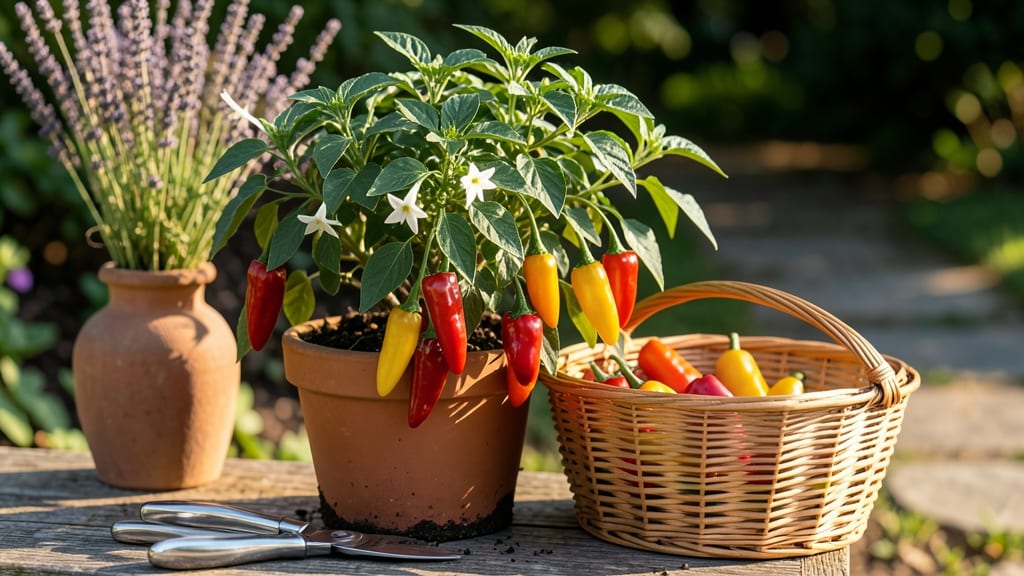
Harvesting Gypsy peppers 🌶️ at the right time means the difference between sweet, vibrant pods and bitter, overripe ones that fall apart.
Picture this: you’ve nurtured your plants all season, and now the moment of truth arrives—when to pick those glossy peppers for the best flavor. Get it wrong, and you’ll either waste perfectly good peppers or miss out on their peak sweetness.
The good news? With a few simple tricks, you can nail the timing every time.
Color isn’t the only clue—firmness, size, and even the weather play a role in determining when your Gypsy peppers are ready. In this guide, I’ll break down the exact signals to watch for, from the first hints of ripening to the final harvest before frost.
By the end, you’ll know exactly when to reach for those pruners, whether you’re growing in USDA Zone 6a or further south. Let’s make sure your hard work pays off with peppers that are sweet, crisp, and full of flavor.

3 Key color stages to harvest gypsy peppers at peak flavor
Gypsy peppers transform through three distinct color stages, each signaling a different flavor profile and texture. Understanding these shifts helps you decide whether to harvest for fresh eating, drying, or fermenting. The journey from green to red isn’t just about aesthetics—it’s about unlocking the pepper’s full potential.
First, let’s clarify: green gypsy peppers are immature and pack a mild, grassy taste. Many gardeners harvest them early for pickling or stir-fries, but they lack the complex sweetness and smokiness that defines ripe gypsy peppers.
The real magic happens as they mature, so timing your harvest based on color is critical.
Here’s the game-changer: harvesting at the wrong color stage can mean missing out on peak sweetness or ending up with overly spicy peppers. For example, yellow gypsy peppers are sweeter than red but less common in stores.
Meanwhile, deep red gypsy peppers offer a balance of sweetness and smoky depth—ideal for drying or stuffing.
-
1
Green Stage (Immature)
Size: 2–3 inches | Flavor: Mild, grassy | Texture: Firm, glossyHarvest for pickling or early-season dishes. Avoid if you want sweetness—these are underripe and lack depth.
-
2
Yellow/Orange Stage (Partially Ripe)
Size: 3–4 inches | Flavor: Sweet, fruity | Texture: Slightly softerPeak sweetness! Ideal for fresh salads or roasting. Harvest when color is uniform and vibrant—patches of green mean it’s not ready.
-
3
Red Stage (Fully Ripe)
Size: 3–5 inches | Flavor: Sweet-smoky | Texture: Firm, leatheryBest for drying, fermenting, or stuffing. Wait until color is deep and consistent—no green shoulders. Overripe peppers (wrinkled) lose flavor.
Pro tip: Temperature affects ripening speed. In hot climates (USDA zones 9–10), gypsy peppers may transition from green to red in as little as 60 days. Cooler zones (6–8) could take 90 days or more. Always check for firmness and glossy skin—color alone isn’t enough.
For drying gypsy peppers, aim for the red stage. The longer they hang, the more concentrated their smoky flavor becomes. If you’re fermenting, harvest at yellow or red for optimal sweetness.
And if you love stuffed peppers, red is your best bet—they hold their shape better during cooking.
Watch out for uneven ripening on the same plant. Shady branches may produce peppers that stay green longer. Prune lower leaves to improve airflow and even out sunlight exposure, ensuring consistent ripening across your harvest.
One common mistake? Harvesting based on size alone. A 4-inch green pepper isn’t ripe—it’s just big. Always combine color, firmness, and stem snap tests for accuracy. The stem should twist off cleanly without tearing the pepper.
Save a few peppers to monitor ripening progress. Place them in a paper bag with an apple (ethylene gas speeds up ripening) and check daily. This trick is especially useful if a late frost threatens your garden before peppers mature.
Remember: Gypsy peppers never stop ripening after harvest. If you pick them early (green or yellow), they’ll continue to develop sweetness and color off the plant. Store them in a cool, dark place to slow the process and extend their shelf life.
Now that you’ve mastered the color code, your next step is to test ripeness with your hands and taste buds. But for now, keep an eye on those pods—they’re telling you exactly when to pick for the best flavor! 🌶️
How to test ripeness beyond color: the touch-and-taste method
Color alone isn’t always the best indicator for harvesting gypsy peppers. While vibrant hues signal ripeness, firmness and taste tests reveal the true peak flavor. Many gardeners overlook these tactile clues, risking underripe pods that lack sweetness or overripe ones that become mealy.
Let’s explore how to use your hands and palate to perfect your harvest timing.
Start by gently squeezing the pepper between your thumb and forefinger. A ripe gypsy pepper should feel firm yet slightly yielding, like a ripe avocado—not rock-hard or mushy.
Press too hard, and you’ll bruise the skin; apply just enough pressure to feel the give. This firmness indicates the pepper’s sugars have fully developed without becoming overly soft.
Next, check the stem’s separation point. A ripe pepper will detach cleanly from the plant with a slight twist, leaving a small stem nub. If the stem snaps off with resistance, the pepper needs more time.
Conversely, if it pulls away too easily, it may be overripe. This test works best in the morning hours, when peppers are cool and hydrated.
⚠️ Warning: Don’t Rely on Color Alone!
Environmental factors like temperature swings or inconsistent sunlight can delay ripening. A gypsy pepper might turn red but remain underripe if nights stay cool. Always combine color checks with the touch-and-taste method to avoid bitter or bland harvests.
For the ultimate test, take a small bite. A perfectly ripe gypsy pepper should burst with sweetness and a subtle smoky note, with minimal heat. If it tastes sharp or seedy, it’s not ready.
Pro tip: Taste peppers at different times of day—morning flavors can vary slightly from afternoon ripeness due to sun exposure.
Environmental conditions play a huge role in ripening speed. Hot, sunny days accelerate sugar development, while cool nights slow it down. In regions with USDA Zone 5 or lower, peppers may never fully ripen outdoors.
If frost threatens, harvest green peppers and ripen them indoors by placing them in a paper bag with a banana to release ethylene gas.
Common mistakes include harvesting too early for sweetness or too late for texture. Overripe peppers lose their glossy sheen and develop wrinkles. To maximize your harvest, pick every 2–3 days during peak season. This encourages more flowers and pods to develop, ensuring a longer harvest window.
Mastering the touch-and-taste method transforms guesswork into precision. Soon, you’ll know exactly when your gypsy peppers are at their sweetest—ready to be enjoyed fresh, dried, or preserved. Happy harvesting!