
Picking
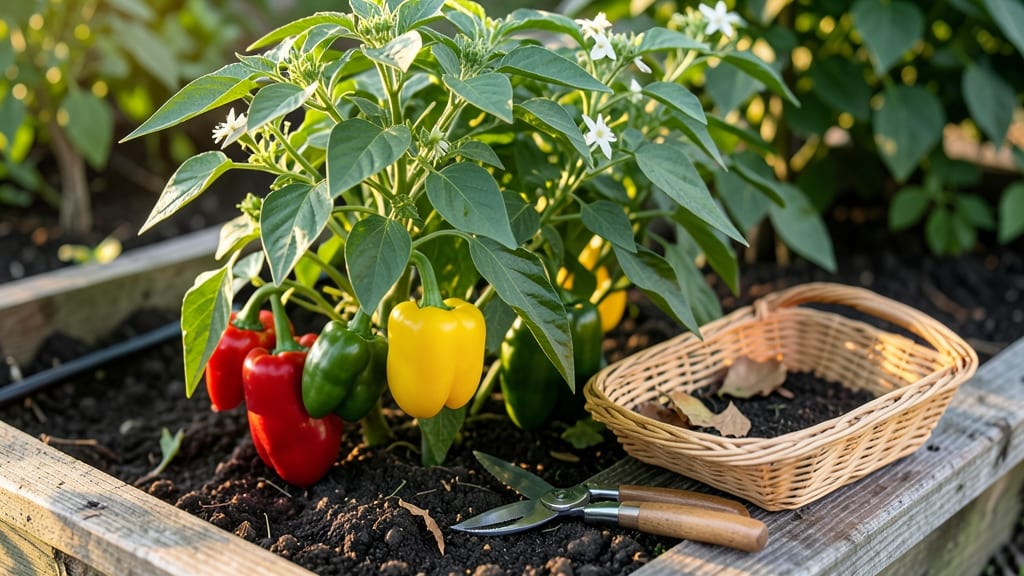
To pick a pepper at the perfect moment means catching it when flavor peaks and texture is ideal—but miss the window, and you’re left with tough skins or bland, seedy disappointment.
Picture this: your 🌶️ plants are lush, but how do you know when that glossy green (or red) pepper is actually ready? The answer lies in three simple cues: skin firmness, color depth, and that unmistakable aroma at the stem.
Harvest too early, and you’ll regret the bitter bite of underripe peppers. Wait too long, and the seeds harden, turning your harvest into a tough, flavorless mess. Below, I’ll break down the exact signals for bell, jalapeño, and chili varieties—and how climate affects timing.
You’ll also discover how to test ripeness like a pro, store your harvest to preserve sweetness, and avoid the three most common mistakes that ruin flavor before it even reaches your plate.


How pepper skin texture and color signal harvest readiness
Pepper skin transforms dramatically as it ripens, offering clear visual cues about harvest readiness. The shift from matte green to vibrant colors isn't just about aesthetics—it signals peak flavor and texture.
For most varieties, a glossy finish and firm yet slightly yielding skin mean it's time to pick. But heirloom peppers often break these rules, so always check multiple indicators.
Start by examining the skin firmness. A ripe pepper should feel slightly soft when gently squeezed near the stem—like a ripe avocado. If it springs back immediately, it's underripe.
Overripe peppers, however, become wrinkled or leathery, losing their sweetness. Pay attention to how the skin gives way under gentle pressure; this is your best clue for timing.
The color transformation is another critical signal. Most peppers start green and mature to red, yellow, or orange, but some varieties stay green or turn purple. For example, jalapeños and serranos ripen to red or deep green, while bell peppers turn yellow, orange, or red.
Heirloom varieties like Black Hungarian may stay green until fully ripe, so don’t rely solely on color.
Glossiness also plays a role. A slightly shiny skin often indicates ripeness, as the waxy coating develops fully. Dull or uneven coloring suggests uneven ripening or stress.
Check the stem attachment too—a ripe pepper will separate cleanly from the plant when twisted gently. If the stem resists, wait a few days.
Here’s how to combine these cues for foolproof picking:
Heirloom varieties often defy these rules, so when in doubt, taste test a small sample. Some peppers, like Poblano or Anaheim, can be picked green for milder flavor but reach their peak when fully colored.
If you’re growing hot peppers, wait until they’ve fully ripened—their capsaicin levels (heat) peak at maturity.
Climate also affects ripening. In hot, dry conditions, peppers may ripen faster and become tougher quicker. Conversely, cool or cloudy weather can slow color changes. If your peppers aren’t ripening by late summer, consider harvesting them green or providing row covers to extend the season.
One final trick: Compare peppers on the same plant. Ripe peppers will often be the largest and most vibrant ones. If you’re unsure, pick a few at different stages and taste them. This hands-on approach helps you learn your plants’ unique rhythms over time.
Remember, the earlier you pick, the more sweet and tender the pepper. But leaving them too long risks bitterness or rot. Balance these cues with your local growing season—most peppers take 60-90 days to mature, depending on the variety.
With practice, you’ll develop an eye for the perfect moment.
Common mistakes that ruin pepper flavor when picking too early or late
Picking peppers at the wrong time can turn your hard work into disappointment. Premature harvesting often results in bitter, underripe peppers that lack sweetness, while waiting too long leads to tough seeds, shriveled flesh, or rot.
Both mistakes rob you of the peak flavor and texture you’ve been waiting for.
I’ve seen gardeners rush to pick peppers just because they’re green and plump, only to end up with peppers that taste like vinegar-soaked cardboard. On the flip side, leaving peppers on the vine until they’re overripe and wrinkled turns them into chewy, seedy disappointments.
Let’s fix that with the right timing.
⚠️ Warning: The 3 Signs You’re Picking Peppers Too Early or Too Late
Too Early: Peppers are hard and pale, with no aroma at the stem. Premature peppers often taste bitter or grassy because their sugars haven’t developed yet.
Too Late: Peppers feel soft or leathery, with wrinkled skin and large, hard seeds. Overripe peppers lose moisture and sweetness, becoming tough and bland.
Perfect Timing: Skin is firm but slightly glossy, color is deep and consistent, and the stem snaps easily when twisted. This is when flavor peaks!
If you’re harvesting green peppers before they’ve fully matured, you’re likely missing out on their sweetest, most flavorful stage. For example, a bell pepper picked too early will never develop its rich, complex sweetness.
The same goes for jalapeños or habaneros—their heat and aroma build as they ripen.
On the other hand, waiting too long can turn your peppers into shriveled husks. I once left a batch of banana peppers on the vine past their prime, and they became leathery and seedy, with almost no usable flesh.
The seeds also harden, making them inedible. Always check for firmness and color consistency before deciding it’s time to harvest.
For sweet peppers like bells, aim for a deep, solid color—green, red, yellow, or purple—with a slight give when gently squeezed. For hot peppers, look for bright, vibrant hues and a waxy texture.
If the pepper detaches easily from the stem with a clean break, it’s ready.
Pro tip: Morning is the best time to harvest because peppers are cooler and firmer after the night’s rest. Avoid picking after a hot, sunny day, as the peppers may be overly soft or wilted.
Store harvested peppers in a cool, dry place (like a paper bag in the fridge) to preserve flavor for up to 2 weeks.