
Plants
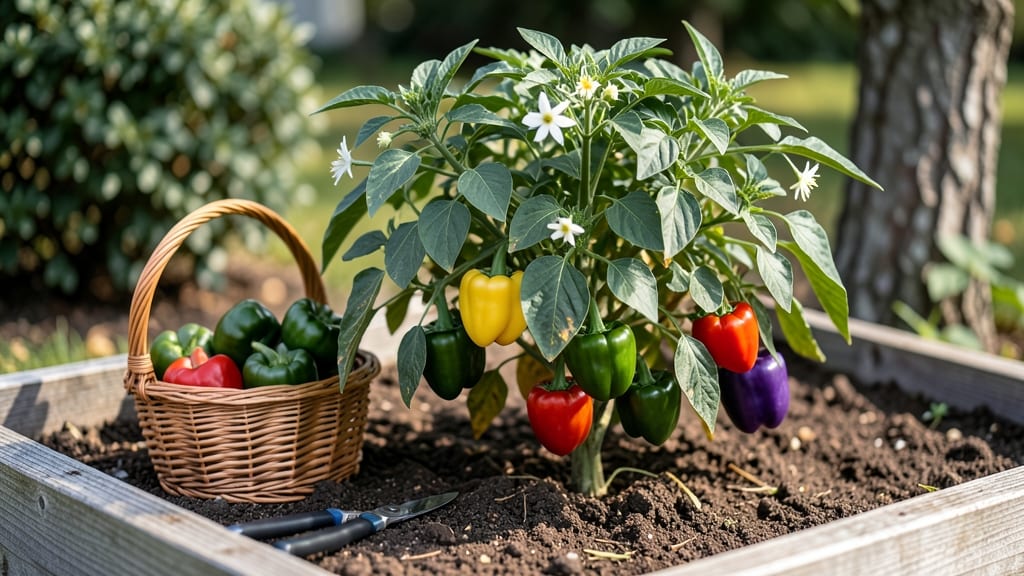
To pick bell peppers from your plant at the perfect moment means capturing their sweetest, most vibrant flavor—before they turn mealy or bitter.
You might think color alone is the clue, but timing is everything: a red pepper 🌶️ left too long on the vine loses its crispness, while a yellow or orange one can peak weeks before turning fully ripe.
The difference between a satisfying crunch and a mushy bite often comes down to when you reach for those shears.
Below, I break down the color-coded ripeness stages that reveal the best harvest window for each variety, plus the subtle visual cues—like skin firmness and stem separation—that tell you it’s time to pick.
From green to red, you’ll learn how to avoid common mistakes (like waiting too long for full redness) and how climate or variety can shift the ideal harvest time—so you never miss peak flavor again.

Bell pepper ripeness stages by color: when to harvest for best flavor
Bell peppers transform through stunning color phases, each marking a shift in flavor and sweetness. The journey from green to red isn’t just about aesthetics—it’s about unlocking peak taste. Understanding these stages helps you decide whether to harvest early for crunchy greens or wait for sweeter reds.
I’ll break down each color’s ideal harvest window and what to watch for.
Most gardeners assume red peppers are the sweetest, but that’s not always true. Some varieties never fully redden yet pack incredible flavor. The key lies in maturity cues beyond color—like size, firmness, and even the stem’s behavior.
I’ve grown over 20 pepper varieties, and I’ve learned that timing can make or break your harvest’s quality.
Here’s the color progression you’ll see, from immature green to fully ripe red, along with the best time to pick each for maximum flavor. Pro tip: Yellow and orange peppers often get overlooked, but they offer unique taste profiles worth harvesting.
Green peppers are often harvested immaturely because they’re crisp and mild, perfect for stir-fries or pickling. But if you let them ripen, their sugar content can triple! For example, a red bell pepper has about 10x more vitamin C than its green counterpart.
That’s why gardeners in cooler climates sometimes pick green peppers to enjoy them earlier in the season.
Yellow and orange peppers often get skipped, but they’re sweeter than green and pack a fruity depth that red peppers sometimes lack. I once grew Yellow Wax peppers and was surprised by how much milder they were than red—ideal for fresh snacking.
These colors typically ripen 1-2 weeks earlier than reds, giving you an extended harvest window.
The transition from orange to red is where flavor peaks, but don’t wait too long. Overripe peppers become soft and mealy, losing their crisp texture. Look for deep, even color and a slight give when pressed.
The stem should also separate cleanly from the plant—this is your cue that the pepper is ready. I’ve learned the hard way that waiting for "perfect red" can mean missing the sweetness window.
Not all peppers follow this color path. Some heirloom varieties, like Black Beauty or Purple Beauty, stay their color but still develop incredible flavor. These peppers often ripen slower than reds, so give them extra time.
The key is to monitor size and firmness rather than relying solely on color changes.
Environment plays a huge role in ripening. Cooler temperatures can slow color change, while hot, sunny days speed it up. In my Zone 7b garden, red peppers often ripen by mid-September, but in Zone 9, they can keep producing until November.
If your peppers aren’t changing color, check for adequate sunlight (6+ hours daily) and consistent watering.
One common mistake is assuming all peppers will turn red. Some varieties, like Yellow Banana or Lemon Drop, stay yellow or orange. These peppers are sweeter at their final color, so don’t harvest them early just because they’re not red.
Always check the variety’s maturity timeline—some take 90+ days to reach peak flavor.
For the best flavor, harvest peppers in the morning
5 Signs your bell peppers are ready to pick (beyond color)
Color is the first thing most gardeners check when deciding if bell peppers are ready for harvest, but it’s not the only clue. Many peppers reach peak flavor before they turn fully red or develop their final hue.
Ignoring these subtle signs can mean missing out on the sweetest, most tender peppers—or worse, letting them overripe and turn mealy. I’ve learned the hard way that waiting for perfect color alone isn’t enough!
Instead, focus on five key indicators that tell you when your peppers are primed for picking. These cues—size, firmness, stem separation, skin texture, and scent—work together to give you the green light (pun intended) to harvest.
Mastering these will help you avoid the bitter, tough-walled peppers that come from picking too late or too early.
🌶️ 5 Signs Your Bell Peppers Are Ready to Pick
- 1. Consistent Size: Peppers should reach their mature variety size (typically 3-4 inches in diameter). Measure against your thumb—if it’s slightly larger than your thumb’s width, it’s likely ready.
- 2. Firm Yet Slightly Yielding: Gently press a pepper with your thumb. It should feel firm but give just a bit, like a ripe avocado. If it’s rock-hard or mushy, it’s not ready.
- 3. Stem Separates Easily: Grasp the pepper near the stem and give it a gentle twist. If the stem snaps cleanly (without tearing the pepper), it’s ripe. If it resists, wait a day or two.
- 4. Glossy, Smooth Skin: A ripe pepper has a shiny, slightly waxy surface. Dull or wrinkled skin means it’s overripe or stressed. Check for no cracks or soft spots either.
- 5. Subtle Sweet Aroma: Hold a pepper to your nose. A ripe one emits a mild, sweet fragrance. If it smells fermented or sour, it’s past its prime.
One mistake I’ve seen gardeners make is waiting for peppers to turn fully red before picking, especially with red varieties. But here’s the secret: flavor peaks before color fully develops.
For example, a pepper might be 90% red with green at the stem and still taste sweeter than one that’s fully red but overripe. Always prioritize the five signs above over color alone.
Overripe peppers are just as bad as underripe ones. They develop thick, leathery walls and a bitter, grainy texture. To avoid this, check your peppers every 2-3 days once they start changing color.
If you’re unsure, pick a few early—you can always leave the rest on the plant for another day. Pro tip: Use a small notebook to track which peppers you pick and when, so you can refine your timing next season.
Don’t forget that environmental factors like temperature and sunlight can speed up or slow down ripening. In hot climates, peppers may ripen faster, while cooler weather can delay it. If your peppers aren’t ripening at all, check for adequate sunlight (6+ hours daily) and consistent watering.
A well-cared-for plant will produce peppers that ripen evenly and meet all the signs above.