
How To
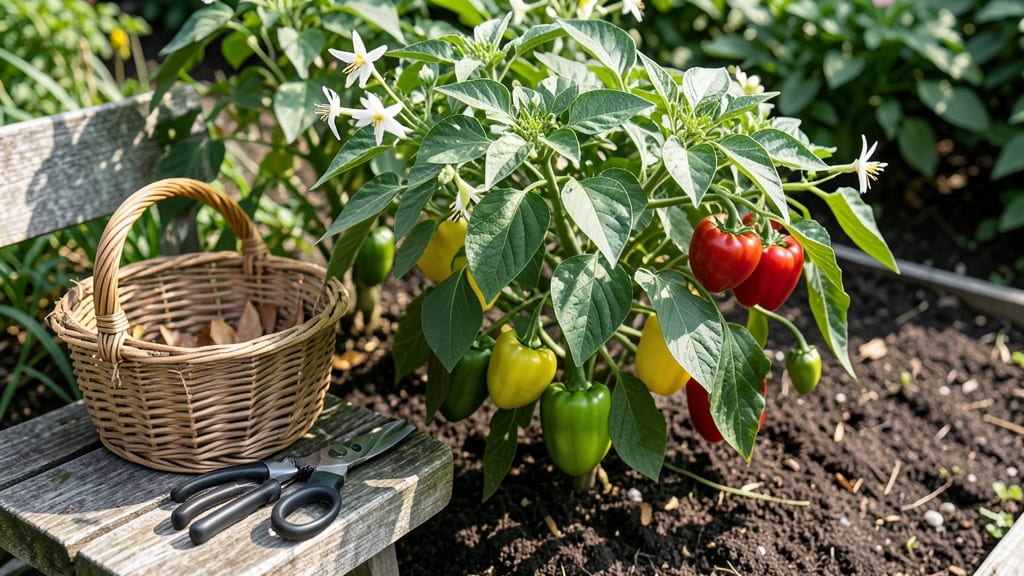
To pick Cajun bell peppers at their peak, watch for deep color and firm skin—these are the clearest signs they’re ready to harvest 🌶️.
Timing is everything when harvesting Cajun bell peppers—pick too early, and you’ll miss their signature heat and sweetness; wait too long, and they’ll turn bitter or tough. Mastering the art of harvest ensures a bounty of fiery, flavorful peppers straight from your garden.
In USDA Zone 6a, where frost can sneak in by late October, you’ll want to harvest between July and October before temperatures dip. The key is balancing color, size, and firmness with weather cues—like avoiding harvests after heavy rain, which can dilute flavor.
Below, I’ll break down the exact color stages (from green to red or yellow), size benchmarks (3–5 inches), and environmental factors that signal the perfect moment to snip. Plus, I’ll share how to store them so they stay vibrant and spicy for weeks.

How to identify perfectly ripe Cajun bell peppers by color and size
Cajun bell peppers transform from mild green to fiery red or golden yellow as they ripen, but knowing the exact moment to harvest can make all the difference in flavor. These peppers mature through distinct color stages, each offering unique heat levels and sweetness.
The ideal harvest window balances size, color, and firmness for peak flavor—typically when they reach 3–5 inches long and their skin turns vibrant red, yellow, or orange.
Understanding these visual cues helps avoid common mistakes like harvesting too early (when peppers are still green and bland) or too late (when they become tough and bitter). I’ve learned that even a single day’s delay can turn a perfect pepper into an overripe disappointment.
Let’s break down the exact signs to watch for, so you can enjoy the best flavor straight from your garden.
Color is your first clue—green peppers are unripe and milder, while fully colored red, yellow, or orange varieties pack the most heat and sweetness. The size benchmark of 3–5 inches ensures the pepper has fully developed its flavor profile. Even the skin texture matters: ripe peppers feel firm and glossy, not wrinkled or soft.
The fully ripe stage is where Cajun bell peppers shine, offering a perfect balance of heat and sweetness. When peppers reach 3–5 inches and their color deepens to a rich red, yellow, or orange, they’re ready for harvest.
I always check for a glossy finish—this indicates the pepper’s skin has fully developed its protective layer, preserving flavor and texture.
A quick twist test can confirm ripeness: gently twist the pepper at its stem. If it snaps cleanly, it’s ready to pick. If the stem resists, wait another day or two.
This simple trick has saved me from harvesting underripe peppers that lacked the bold flavors I crave in my dishes.
Size matters just as much as color. A 3-inch pepper is typically ready for harvest, but waiting until it reaches 4–5 inches ensures maximum flavor development. Larger peppers often contain more seeds and a more intense heat profile, which is perfect for spicy dishes or drying.
However, don’t let them grow beyond 5 inches, as they may become tough and lose their vibrant color.
Regional growing conditions can also affect ripeness. In warmer climates, peppers may ripen faster and reach full color in as little as 60–70 days. In cooler areas, they might take up to 90 days to mature.
Always monitor your local frost dates—if frost is approaching, harvest peppers even if they’re not fully colored to avoid losing your crop entirely.
One mistake I’ve made in the past is harvesting peppers based solely on color without checking their size or firmness. A green pepper with a thick, glossy skin can sometimes be just as flavorful as a red one, especially in cooler climates.
Always combine color, size, and texture cues for the most accurate assessment of ripeness.
For the best results, harvest Cajun bell peppers in the morning when temperatures are cooler. This preserves their crispness and flavor. Use a sharp pair of pruning shears or scissors to cut the stem, leaving a small portion attached to the plant.
This encourages the growth of new peppers and prevents disease from entering the plant through jagged cuts.
Once harvested, store your peppers in a cool, dry place for up to a week, or refrigerate them for longer storage. If you’re not using them immediately, consider drying or freezing them to preserve their heat and sweetness for future use.
With these tips, you’ll always know exactly when to pick your Cajun bell peppers for the best flavor possible.
When to harvest Cajun bell peppers for maximum heat and sweetness
Harvesting your Cajun bell peppers at the right moment transforms their flavor from mild to mouthwateringly fiery. These peppers develop their signature heat and sweetness when fully mature, but timing matters—too early, and you’ll miss the peak; too late, and they’ll lose their crisp texture.
The science behind pepper ripening reveals that temperature, sunlight, and humidity all play critical roles in unlocking their full potential.
For the best results, I’ve found that harvesting in the early morning (between 7–9 AM) is ideal. This timing ensures peppers are cool, firm, and packed with natural sugars.
Avoid harvesting after high humidity days or when temperatures exceed 90°F (32°C), as these conditions can dilute flavor and make peppers rubbery. Let’s break down the exact cues and environmental factors to watch for.
Key Timing Tips for Cajun Bell Pepper Harvest
- 🌡️ Temperature Check: Harvest when daytime temps are 70–85°F (21–29°C)—ideal for flavor development.
- ⏰ Day of Week: Pick on weekday mornings (Mon–Wed) to avoid weekend heat stress.
- 🌱 Color Maturity: Wait for deep red, yellow, or orange hues (never harvest green Cajun bells—they’re milder).
- 🤏 Size Standard: Aim for 3–5 inches long—smaller peppers lack full heat potential.
- 💧 Humidity Rule: Avoid harvesting after rainy days (wait 24+ hours for peppers to dry).
- ✂️ Stem Test: Gently twist—if the stem snaps cleanly, it’s ready; if it resists, wait 1–2 days.
Testing ripeness at home is simpler than you think. Start by examining the pepper’s skin: it should feel firm and glossy, not wrinkled or leathery. A slight give when pressed indicates ripeness, while a hard or mushy texture means it’s past its prime.
I also check the stem attachment—if it separates easily from the plant with a clean break, that’s your cue to harvest. This method reduces stress on the plant and preserves flavor.
Environmental factors like humidity and temperature can drastically alter harvest timing. In humid climates (e.g., Louisiana, Florida), peppers may ripen faster but lose crispness quicker—harvest 1–2 days earlier than the ideal window.
Conversely, in dry, hot regions (e.g., Arizona, Texas), peppers can stay firm longer but may develop a waxy texture. Always adjust your harvest schedule based on local weather patterns to avoid bitter or tough peppers.
One pro tip I swear by? Harvest consistently every 2–3 days once peppers start coloring. This encourages the plant to produce more fruit and prevents overripe peppers from sapping energy.
Store freshly picked Cajun bells in a paper bag in the fridge (not plastic) to retain heat and sweetness for up to 1 week. For long-term storage, freeze them whole or slice them—this locks in their fiery kick for future dishes.
Remember, every garden is unique. If your Cajun bells are ripening faster or slower than expected, observe their behavior for a week and adjust your harvest rhythm accordingly.
With these science-backed cues, you’ll never miss the perfect moment to pick peppers bursting with heat and sweetness—straight from your garden to your plate. 🌶️