
How To
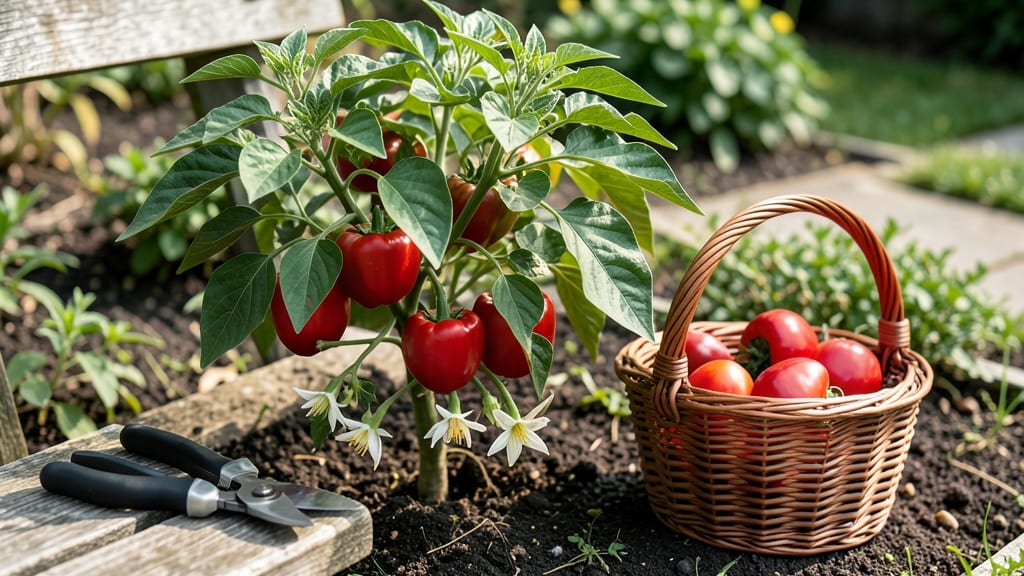
Picking red bell peppers at the right time ensures sweet, juicy flavor and prevents wasted effort—so timing matters more than you might think.
Your 🌶️ plants might look ready, but a single day too early or late can turn a harvest into disappointment. The color shift from green to deep red is your first clue, but firmness and size play just as big a role in determining peak ripeness.
In Zone 6a, where spring planting kicks off in April, you’ll likely see peppers ripen between July and October—but heatwaves or cool spells can throw off the schedule. Missing these visual cues often leads to peppers that are either underripe and bland or overripe and mealy.
Below, I’ll walk you through the exact signs to watch for, how to adjust for your climate, and why some gardeners end up with half their crop going to waste. No more guesswork—just perfect timing for the best-tasting peppers.


How to identify the perfect ripening stage for red bell peppers
Knowing when to pick red bell peppers is an art that combines patience and observation. Unlike green peppers, which can be harvested early, red bell peppers develop their signature sweetness and vibrant color only when fully mature.
The transformation from green to red isn't just about aesthetics—it's a flavor milestone that gardeners shouldn't miss. If you harvest too soon, you'll miss the peak sweetness, while waiting too long risks overripeness and tough skin.
I’ve learned the hard way that color alone isn’t enough to determine ripeness. Temperature, sunlight exposure, and even your growing zone play critical roles in how quickly peppers ripen. For example, peppers in Zone 9 might ripen faster than those in cooler Zone 7.
Understanding these factors ensures you pick peppers at their absolute best, whether you're growing them in containers or in-ground beds.
| Stage | Color | Size | Firmness | Stem Test | Days to Harvest |
|---|---|---|---|---|---|
| Immature | Green | 2-3 inches | Firm | Stem holds tight | 60-75 days |
| Partially Ripe | Yellow/Orange | 3 inches | Slightly softer | Stem begins to loosen | 75-80 days |
| Fully Ripe | Deep red | 3-4 inches | Firm & glossy | Stem snaps easily | 75-90 days |
| Overripe | Dull red | 4+ inches | Soft/wrinkled | Stem detaches easily | 90+ days |
The color shift is your first clue, but don’t rely on it alone. Start by looking for a deep, consistent red hue across the entire pepper. Some varieties might have streaks or uneven coloring, but fully ripe red bell peppers should be uniformly vibrant.
I once picked a pepper that looked red but tasted bland—turns out, it was still slightly underripe. Always double-check with the other cues below.
Next, check the size and shape. Mature red bell peppers typically reach 3 to 4 inches in diameter and should be plump, not elongated or misshapen. If your peppers are staying small despite plenty of sunlight, it could signal a nutrient deficiency or poor pollination.
In my garden, I’ve found that hand-pollinating flowers with a small brush can boost fruit size and ripening speed.
Firmness is another critical indicator. Press your fingernail into the pepper’s skin—it should feel firm but not rock-hard. If it leaves a dent, the pepper is overripe. A fully ripe red bell pepper also has a slightly glossy skin, almost like a fresh apple.
Dull or wrinkled skin means it’s past its prime. Pro tip: Harvest in the morning when peppers are cool and firmest.
Don’t forget the stem test, which is my foolproof method. Gently twist the pepper at its stem—if it snaps cleanly with a slight resistance, it’s ready to pick. If the stem pulls out easily, the pepper is overripe.
This test works even for peppers that aren’t fully red yet, as the stem’s readiness often precedes color change by a day or two.
Sunlight exposure directly impacts ripening speed. Peppers need 6 to 8 hours of direct sunlight daily to develop their signature red color and sweet flavor. In my Zone 8 garden, peppers ripen faster in full sun than in partial shade.
If your peppers are staying green or yellowing, consider moving them to a sunnier spot or using a reflective mulch to boost light exposure.
Temperature also plays a role—peppers ripen more slowly in cooler weather. Below 70°F (21°C), the ripening process can stall entirely. In my experience, peppers grown in containers may ripen faster because container soil warms up quicker.
If you’re in a cooler climate, opt for early-maturing varieties like 'Early California Wonder' or 'Red Knight', which can handle slightly lower temperatures.
Finally, resist the urge to harvest peppers too early just because they’re changing color. Green peppers are milder but
Common mistakes that cause early or late harvesting (and how to avoid them)
Even with the right planting timing and soil conditions, many gardeners struggle with early or late pepper ripening. The culprit? Common mistakes that disrupt the natural harvesting process.
Overwatering can lead to soft, underripe peppers, while inconsistent sunlight delays color changes. Let's explore these pitfalls and how to fix them before your next harvest.
One of the biggest mistakes is ignoring plant signals. Many gardeners pick peppers based on days since planting rather than visual cues. This often results in green peppers harvested too late or red peppers picked before full ripeness.
Your peppers are telling you exactly when they're ready—you just need to listen. Pay attention to color, size, and firmness rather than relying on a calendar.
Another frequent error is inconsistent watering patterns. While bell peppers need consistent moisture, overwatering or letting them dry out can both cause problems. Too much water leads to blossom end rot or split peppers, while drought stress slows ripening.
Aim for 1-2 inches of water per week, adjusting for your climate and soil type.
🚨
⚠️ Warning: Overwatering = Early Harvest Failure
Peppers need consistent moisture, but soggy soil triggers early ripening or rot. Check soil moisture by sticking your finger 1-2 inches deep—water only when dry. Morning watering prevents fungal issues and gives plants time to dry before evening.
Many gardeners also make the mistake of providing insufficient sunlight. Bell peppers require 6-8 hours of direct sun daily for proper ripening. Shady spots lead to smaller peppers and delayed color changes.
If your garden lacks full sun, consider using reflective mulch or growing in containers near a south-facing wall to maximize light exposure.
Finally, over-fertilizing with nitrogen can cause lush foliage but delay fruit ripening. While peppers need nutrients, too much nitrogen shifts energy from fruit production to leaf growth. Use a balanced fertilizer (10-10-10) and reduce feeding as harvest approaches. This helps your plants focus on ripening rather than producing more leaves.
By avoiding these common mistakes—consistent watering, proper sunlight, and balanced fertilization—you'll optimize your pepper's natural ripening process. Pay attention to your plants' signals, and you'll enjoy sweet, vibrant red bell peppers at their peak flavor and texture. 🌶️