
How To
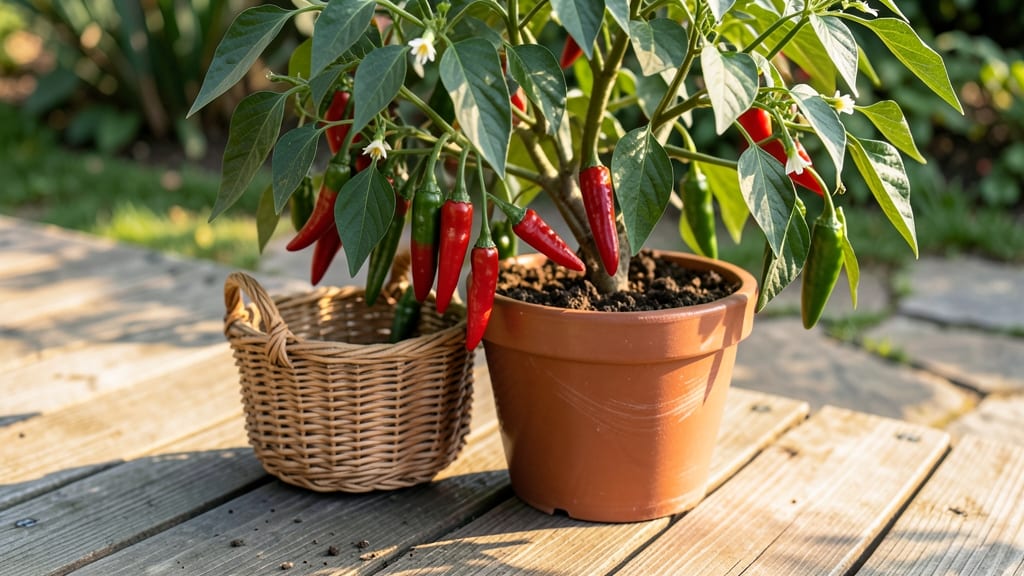
To pick red chili peppers at their peak, watch for the shift from green to vibrant red 🌶️ — that’s when the heat and sweetness hit their sweet spot.
Harvesting too early means mild, underdeveloped flavor, while waiting too long can turn them mealy or even rot on the vine. I’ve learned the hard way that timing is everything, especially in USDA Zone 6 where summers can be unpredictable.
Beyond color, you’ll need to check for firmness, a slight gloss, and how easily the pepper separates from the stem. These cues tell you whether your peppers are ready for the kitchen or still need time on the plant.
In this guide, I’ll break down the exact ripeness stages, seasonal factors, and storage tips to keep your harvest bold and flavorful from August through October.


Red chili pepper ripeness stages: color guide by variety and flavor
Knowing when to pick red chili peppers isn’t just about waiting for them to turn red—it’s about understanding how color changes signal shifts in flavor, heat, and texture. Each variety follows its own timeline, and harvesting too early or late can ruin that perfect spicy-sweet balance you’re craving.
For example, a jalapeño picked green is mild and crunchy, but let it ripen to deep red, and you’ll unlock layers of smoky heat and complexity.
The secret lies in lycopene, the antioxidant pigment that turns peppers red. As it develops, it boosts both flavor intensity and nutritional value, but timing matters—overripe peppers can become mealy or lose their punch.
I’ve grown habaneros, cayennes, and bell peppers for years, and I’ve learned that even a single day past peak ripeness can make a difference in taste. Let’s break down the color stages for your favorite varieties.
Most gardeners assume red means "ready," but the deep red stage is where the magic happens. Take habaneros, for example—they start green with a grassy tartness at 100,000 SHU.
By the time they turn bright red, they’re fruity and citrusy at 150,000 SHU, but wait for that deep ruby hue, and you’ll taste floral notes with heat levels soaring to 300,000+ SHU.
The same rule applies to jalapeños: harvest them green for tacos, but let them ripen to deep red for smoky BBQ sauces or pickled dishes.
Texture is another clue—overripe peppers become soft and wrinkled, while perfectly ripe ones stay firm yet yielding. I once picked a batch of cayennes too late, and they turned into a mushy, watery mess.
The lesson? Pay attention to the skin’s glossiness and the stem’s ease of separation. A ripe pepper’s stem should twist off cleanly with a slight resistance, not snap like a twig or drag like glue.
Don’t overlook the scent either. A ripe red chili pepper releases a fragrant aroma—almost floral or fruity—when you crush a tiny bit between your fingers. Underripe peppers smell bland or vegetal, while overripe ones can develop a fermented or sour odor.
This is your nose’s way of confirming what your eyes see.
Climate plays a role too. In hotter regions, peppers ripen faster, so check them every 2–3 days once they start coloring. In cooler areas, they may take 3–4 weeks to go from green to deep red.
I’ve had jalapeños in my New Mexico garden turn red in just 12 days during a heatwave, while my friend in Oregon waited 25 days for hers to ripen.
Pro tip: If you’re unsure, pick a few peppers at different stages and taste-test them. This hands-on approach helps you learn your plants’ unique ripening patterns.
Over time, you’ll develop an instinct for the perfect moment to harvest—when the color is vibrant, the texture is firm, and the scent is intoxicating. That’s when you know you’ve got a flavor bomb on your hands.
Once you master the art of timing, you’ll never settle for bland or underripe peppers again. The difference between a mediocre harvest and a showstopping one often comes down to those final days of ripening.
So keep an eye on the colors, trust your senses, and enjoy the reward of perfectly picked peppers!
5 Key signs your red chili peppers are ready for harvest (beyond color)
Color isn't the only indicator that your red chili peppers are ready for harvest. While a deep, vibrant red hue signals ripeness, tactile and scent cues can reveal whether your peppers are truly at their flavor peak—or still developing.
These subtle signs help you avoid the common mistakes of picking too early (for sweetness) or too late (for heat intensity). Let's explore what to feel, smell, and observe beyond the color.
Many gardeners focus solely on chili pepper color, but the best harvest timing combines visual, tactile, and olfactory clues. For example, a jalapeño might turn red but still feel soft if picked too early, while a habanero could stay green longer if stressed.
Understanding these harvest readiness signs ensures you capture the perfect balance of sweetness and heat in every pepper.
One of the biggest mistakes I see is picking red chili peppers too early for sweetness. For example, a bell pepper (which is a mild chili) might turn red but still taste bland if harvested before it reaches its full size.
Conversely, waiting too long can lead to heat loss—many chilis peak in spiciness just before they fully ripen. Pay attention to the stem separation and skin firmness to strike the right balance.
Pro tip: Harvest in the morning after the dew has dried. This is when peppers are at their crispest and most flavorful. Use clean pruning shears or scissors to avoid damaging the plant, and always leave a small portion of the stem attached.
This helps preserve freshness and prevents the peppers from drying out too quickly.
If you’re growing multiple varieties, like jalapeños and habaneros, keep a small harvest journal. Note the day each pepper turns red, its firmness, and its final flavor.
Over time, you’ll recognize the unique ripeness cues for each variety in your garden. This practice ensures you never miss the perfect harvest window again!
Remember, the goal is to capture that peak flavor window—where sweetness and heat harmonize. By combining color, texture, scent, and weight, you’ll transform your chili harvest from good to exceptional. Happy harvesting!