
Plants
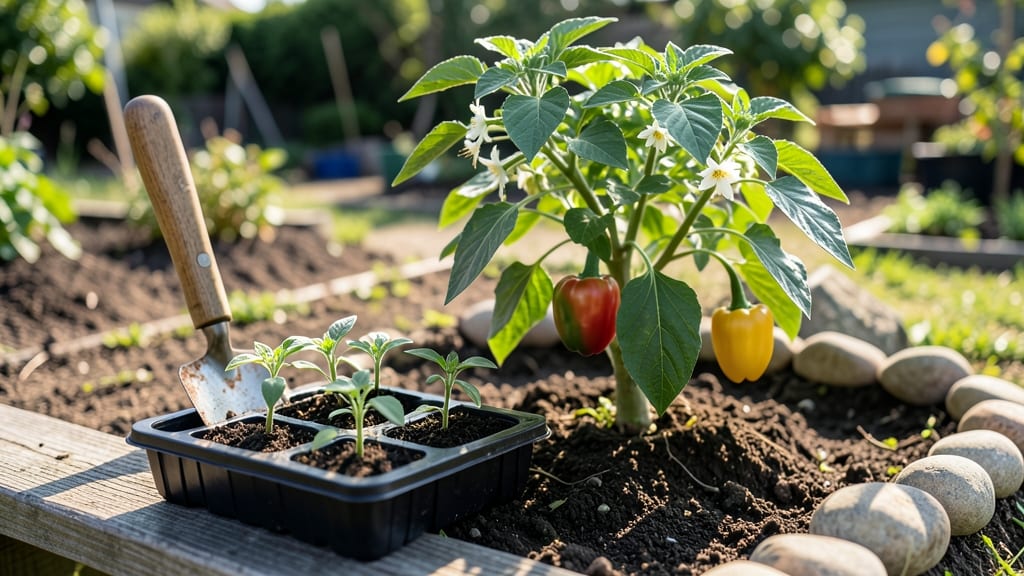
Planting bell peppers in North Carolina at the right time means the difference between a bumper crop and a sad, wilted 🌶️ disappointment.
Timing is everything in North Carolina’s unpredictable climate—plant bell peppers too early, and frost will wipe out your crop; too late, and you’ll miss the sweet, sun-ripened harvest. Here’s the exact frost-free planting schedule tailored to NC’s zones and pepper varieties.
Most gardeners in zones 7a-8b should wait until after the last frost date, typically April 15–May 15, when soil temperatures hit at least 60°F. But coastal areas like Wilmington can start earlier, while the Piedmont might need to wait until late May.
Inside, you’ll find zone-by-zone planting windows, the best varieties for NC’s heat, and pro tips to extend your harvest—so you can enjoy fresh peppers from summer straight into fall.
Optimal planting dates for bell peppers in NC by USDA Zone (2024 guide)
North Carolina’s diverse climate zones (6a–8b) create a tricky balance for bell pepper growers. In Zone 6a, late frosts can linger until April 15, while Zone 8b might see frost as late as March 20 in sheltered microclimates.
The key? Planting after soil warms to 60°F+—a threshold critical for pepper seedling survival. Without this warmth, seeds rot, and transplants struggle to establish roots.
For most of NC, spring planting begins April 15–May 15, but coastal areas (like Zone 8a) can start as early as March 20. Fall planting opens August 1–15, giving peppers 80–90 days to mature before first frost.
Miss these windows, and you’ll either face frost damage or harvest bitter, underripe peppers.
Here’s the breakdown by zone, including soil temperature thresholds, transplant windows, and microclimate adjustments—because a mountain valley in Zone 6b can be 10°F colder than a Piedmont plain just 20 miles away.
For Zone 6a–6b, where frosts can linger, opt for early-maturing varieties (like ‘Sweet Banana’, 60 days to harvest) and use black plastic mulch to
Best bell pepper varieties for NC’s short vs. long seasons (heat tolerance matters)
North Carolina’s short growing seasons and humid summers demand smart pepper variety choices. Early varieties like ‘Sweet Banana’ mature in 60-65 days, while late-season ‘Carolina Wonder’ can stretch to 90 days—critical for NC’s 210-240 frost-free days.
Heat tolerance scores (1-10) help you pick winners for NC’s 90°F+ summers.
Your season length and microclimate dictate success. Coastal areas (Zone 8a) can push late varieties, while Piedmont (Zone 7a) needs faster maturing types. Pests like aphids and disease pressure from humidity mean choosing resistant varieties is non-negotiable.
Here’s the risk vs. reward breakdown for NC gardeners:
Early Varieties (60-70 Days)
- Fast harvest (60-65 days)
- Low heat stress (score 7/10)
- Good for short seasons
- Limited yield (smaller peppers)
- Sensitive to humidity (fungus risk)
- Not ideal for fall
Mid-Season (70-80 Days)
- Balanced maturity (70-80 days)
- Heat tolerant (score 8/10)
- High yield (3-4 peppers/plant)
- Needs consistent water
- Susceptible to blossom end rot
- Late starts risk frost
Late Varieties (80-90+ Days)
- Long harvest window (fall peppers)
- High heat tolerance (score 9/10)
- Large, flavorful peppers
- Risky in short seasons
- Pests thrive in humidity
- Requires early start
For NC’s short seasons, prioritize ‘Sweet Banana’ (early) or ‘Jupiter’ (mid-season). These handle humidity and pests better than heat-sensitive types. ‘Carolina Wonder’ is a gamble—only attempt if you’re in Zone 8a and start seeds indoors by March 1.
Pro tip: Use black plastic mulch to boost soil temps by 5-10°F, extending the season for late varieties. Pair with succession planting every 2 weeks to maximize harvests.
Remember: Heat tolerance ≠ drought tolerance. Even ‘Carolina Wonder’ needs 1-2 inches of water weekly during NC’s summer droughts. Mulch heavily to retain moisture.
🌱