
Plants
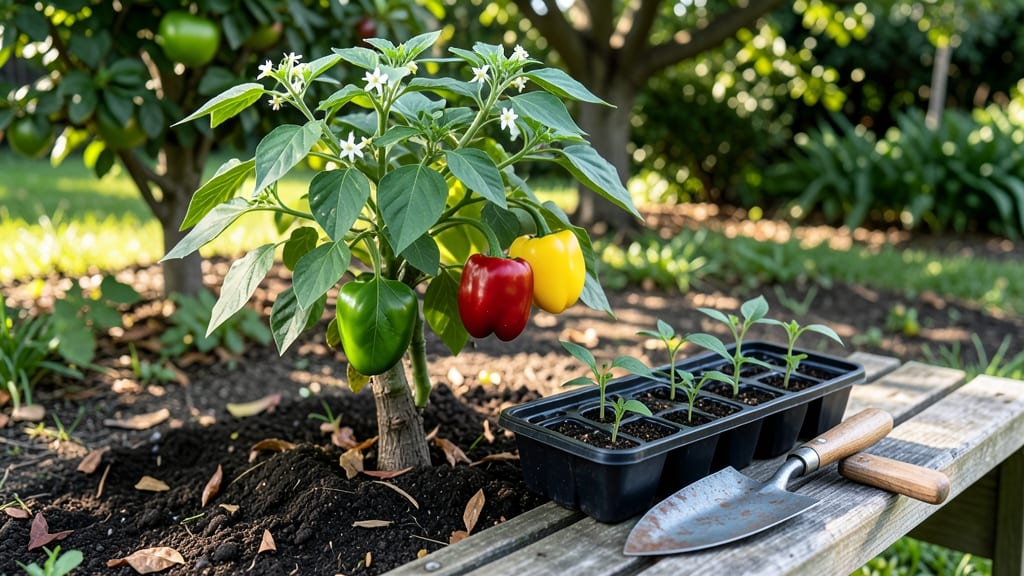
Planting bell peppers in Oregon at the right time means the difference between a bumper crop and a sad, stunted plant 🌶️ — and it all hinges on soil warmth, not just calendar dates.
Oregon’s unpredictable climate can make or break your bell pepper harvest. If you plant too early, a late frost will wipe out your seedlings. Too late, and the short growing season leaves you with underripe peppers.
The key? Waiting until the soil hits 60°F and the last frost has passed — usually mid-April to early June, but that varies wildly between the coast and inland zones.
Here’s what you need to know: the best time to start seeds indoors, how to read your soil’s temperature, and which pepper varieties handle Oregon’s cooler summers best.
We’ll also cover tricks to extend your season, like row covers and succession planting, so you can squeeze every last harvest out of your garden.
Skip the guesswork and learn the exact windows for your microclimate, plus how to prep your soil for peak growth. Your future homegrown jalapeños will thank you.
Oregon’s bell pepper planting timeline by microclimate: when soil warms up
Oregon’s bell pepper growing season hinges on soil temperature, not just calendar dates. Coastal areas like Astoria and Portland stay cooler longer, while Bend and Boise warm up faster.
The key? Soil must reach 55°F+ for germination and 70°F+ for transplanting. Without this warmth, seedlings languish or rot—wasting your time and seeds.
I’ve planted peppers for years in Oregon, and I’ve learned the hard way that last frost dates alone won’t cut it. For example, Eugene’s last frost is typically April 15, but soil may still be too cold.
Meanwhile, Hermiston can transplant peppers by March 20—a full month earlier! These microclimates mean your neighbor’s success doesn’t guarantee yours.
Here’s the critical rule: Use a soil thermometer to confirm warmth before planting. If you skip this step, your peppers will struggle to establish roots, leaving them vulnerable to damping off or slow growth. Trust me, the extra $10 for a thermometer saves hours of frustration.
Western Oregon’s cooler coastal zones (USDA 7b–8a) often need row covers or greenhouses to extend the season. Inland areas like Pendleton or La Grande (USDA 7a–6b) can plant earlier, but watch for late spring frosts—they’re sneaky in the Willamette Valley.
Now, let’s break down the planting windows by region, so you can align your schedule with Oregon’s unpredictable weather patterns. This comparison table shows exactly when to start seeds indoors, transplant seedlings, and expect harvests based on your microclimate.
If you’re in Western Oregon, hold off on direct sowing until late May or early June. The cooler coastal soils take longer to warm, and rushing leads to poor germination.
I once planted peppers in early May in Portland, only to watch them rot in the cold, damp soil—a costly lesson.
For the Willamette Valley, aim to transplant by mid-May. This region benefits from warmer afternoons but still faces late frosts. Use frost cloth if nights dip below 32°F after planting. I’ve seen May frosts in Eugene wipe out entire pepper beds overnight.
In Eastern Oregon, you can push the envelope with early starts. Areas like Bend often see soil temperatures hit 60°F by late April, making it safe to transplant by mid-May.
However, high desert zones (like Burns) can have temperature swings, so mulch heavily to stabilize soil warmth.
One trick I’ve used for cooler zones is to plant peppers in black plastic mulch. This raises soil temperatures by 5–10°F, accelerating growth and extending the harvest window. Pair this with drip irrigation to keep roots consistently moist—bell peppers hate soggy feet.
Finally, don’t forget about succession planting. In war
How to extend Oregon’s growing season for bell peppers: frost protection and early starts
Oregon’s cool, damp springs can leave bell pepper seedlings struggling if you wait too long to plant. The key to success? Starting early indoors and using tools like row covers or cold frames to shield delicate plants.
I’ve learned that even a few extra weeks of warmth can mean the difference between a bountiful harvest and a disappointing one.
For bell peppers, which need soil temperatures of 70°F+ to thrive, timing is everything. In Oregon’s USDA zones 7b–9a, frost can linger until mid-April, so I always start seeds indoors 6–8 weeks before the last expected frost.
This gives seedlings a head start and helps them outpace Oregon’s unpredictable weather shifts.
🌱 Styled List: Extending Your Oregon Bell Pepper Season
- Start seeds indoors 6–8 weeks before last frost (typically mid-February to early March) using grow lights for 12–14 hours/day.
- Hardening off seedlings over 7–10 days by gradually exposing them to outdoor conditions (wind, rain, cooler temps) to prevent transplant shock.
- Use row covers (floating or hoop) to protect seedlings from late frosts (up to 28°F) and extend the season by 3–4 weeks.
- Cold frames or mini greenhouses can push planting back 4–6 weeks later than traditional schedules, ideal for coastal Oregon areas.
- Avoid transplant shock by watering seedlings thoroughly before moving and using mulch to retain soil warmth after planting.
One of my biggest mistakes was rushing seedlings into the garden too soon. Oregon’s damp springs can cause fungal diseases like damping-off, so I now prioritize well-draining soil and spaced-out planting (18–24 inches apart) to improve air circulation.
Adding a 2-inch layer of compost before planting also helps warm the soil faster.
For late-season protection, I’ve had great success with low tunnels made from PVC pipes and row covers. These can keep peppers producing well into October, even when nighttime temps dip. Just remember to remove covers during the day to prevent overheating—bell peppers need bright, indirect light when covered.
If you’re in Eastern Oregon, where summers are hotter, you can even try a fall planting of fast-maturing varieties like ‘Early California Wonder.’ Just sow seeds 8–10 weeks before your first frost (usually late July) for a second harvest.
The trick is balancing daylength and temperature—peppers need warm days and cool nights to set fruit.
Don’t underestimate the power of succession planting either. By staggering sowings every 2–3 weeks from April to June, you can ensure a steady supply of peppers all season long.
And if you’re worried about transplant shock, try direct sowing in late May when soil temps finally stabilize—just be prepared to use row covers if frost threatens.