
Plants
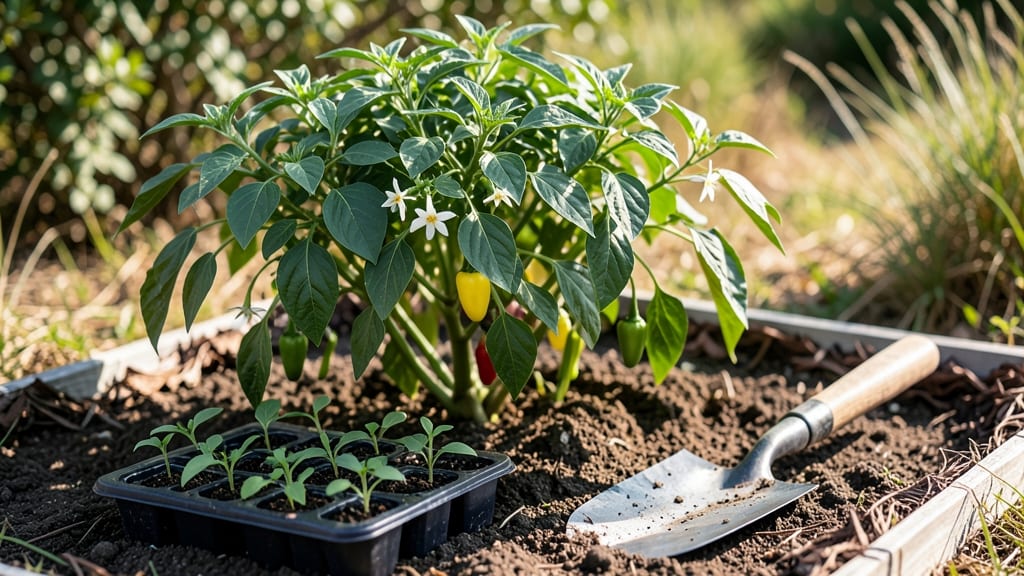
Planting peppers in Iowa after the last frost—typically mid-April to early June—sets the stage for a bumper crop of 🌶️ bell peppers, jalapeños, and hot varieties.
Missed planting season in Iowa could mean stunted pepper plants—or worse, a total crop failure. Timing is everything when growing peppers in the Hawkeye State’s unpredictable climate, but these frost-free deadlines will help you maximize your harvest.
Peppers need warmth to thrive, so waiting until soil temperatures hit at least 60°F (around late May in most of Iowa) is critical. That’s when you can safely transplant seedlings or direct-sow seeds without risking frost damage.
In this guide, I’ll break down the exact planting windows for your USDA zone, whether to start seeds indoors or sow directly, and how to pick the fastest-maturing varieties for Iowa’s short growing season.
Iowa’s pepper planting timeline by USDA hardiness zones (4-5)
Growing peppers in Iowa’s USDA Zones 4a-5b means working with a short, unpredictable growing season. The key to success? Planting at the right time to avoid late spring frosts and maximize your harvest window.
In my experience, even a few days difference can mean the difference between a thriving pepper patch and a failed crop.
Iowa’s average last frost dates range from mid-April in southern zones to early May in northern areas. However, peppers are heat-loving plants that need soil temperatures above 60°F (15°C) to thrive. This means waiting for warmer conditions—often 2-4 weeks after the last frost—before planting outdoors.
For gardeners in Zone 4a, the window is tighter: you’ll need to start seeds indoors 8-10 weeks before the last frost or opt for fast-maturing varieties to avoid early fall frosts.
Meanwhile, Zone 5b gardeners have a slightly longer season but still need to act quickly to get peppers established before summer heat peaks.
Here’s the breakdown of your planting deadlines by zone, including whether to direct sow or transplant seedlings for the best results.
If you’re starting seeds indoors, begin 8-10 weeks before your transplant window. For example, Zone 4a gardeners should start seeds by March 1, while Zone 5b can wait until February 15. Use grow lights to prevent leggy seedlings, and harden them off for 7-10 days before transplanting.
For direct sowing, only attempt it in Zones 5a-5b after April 25. In colder zones, the risk of late frosts or slow germination makes transplanting the safer bet.
I’ve seen direct-sown peppers fail when nighttime temperatures dip below 50°F (10°C), so always check your 10-day forecast before planting.
Pro tip: Use black plastic mulch to warm soil faster and extend your planting window by 1-2 weeks. This is especially helpful in Zone 4a, where cool soils can delay pepper growth. Pair it with row covers for early transplants to protect against unexpected cold snaps.
Remember, peppers need 75-120 days to mature, so calculate backward from your first frost date (typically October 15 in Iowa). If your chosen variety takes 90 days to harvest, you must plant by July 15 in Zone 4a to avoid frost damage.
In Zone 5b, you can push it to August 1 for late-season varieties like Cayenne.
Finally, keep an eye on microclimates—south-facing walls or raised beds can add 1-2 weeks to your growing season. I’ve had success growing peppers in containers near my garage, where the heat from the building extended the season by 3 weeks compared to my in-ground beds.
5 Critical factors that determine your exact pepper planting date
Iowa’s unpredictable spring weather makes planting peppers a high-stakes game of timing. While the average last frost date for most of the state is around April 15, peppers need more than just frost-free air—they demand warm soil and consistent heat to thrive.
In my garden, I’ve learned that waiting for the calendar isn’t enough; you must watch for soil temperature thresholds and local microclimates that can shift planting windows by weeks.
For example, southern Iowa’s Zone 5b might see peppers planted by mid-April in protected microclimates near brick walls, while northern Zone 4a areas often wait until late May. The difference?
A 10°F soil temperature swing and a 30-day planting window shift. Let’s break down the five factors that will help you pinpoint your exact planting date—no more guessing games.
Peppers need soil at 60°F+ for 10+ inches deep. Use a soil thermometer—Iowa’s spring soil warms slower than air temps suggest.
South-facing slopes, brick walls, or black plastic mulch can add 2-3 weeks of usable growing time. Test your spot with a mini weather station.
Containers warm 5-7°F faster than soil. Plant container peppers 2 weeks earlier than in-ground, but ensure pots have drainage holes.
Iowa’s May frosts (like the 2020 Memorial Day freeze) can kill young plants. Use frost cloth or delay planting until after May 10 in risky zones.
Some short-season varieties (like ‘Early Cal Wonder’) can be planted as late as July 1 for fall harvests. Monitor daylength—peppers need 12+ hours of light.
Let’s tackle the first factor: soil temperature. Most gardeners focus on air temperature, but peppers are root-sensitive. Cold soil slows germination and stunts growth. I’ve buried a soil thermometer at 4-inch depth every spring—it’s become my non-negotiable tool.
In my Zone 5a garden, soil rarely hits 60°F until late May, even when air temps flirt with 70°F. Pro tip: Black plastic mulch can raise soil temps by 5-10°F in just days.
Microclimates are another game-changer in Iowa’s flat terrain. While most guides suggest planting after May 15, my south-facing raised beds near the garage hit ideal temps by May 1. To test your microclimate, place a thermometer in full sun and compare it to a shaded spot.
If your garden sits in a heat sink (like near pavement), you might plant 2 weeks earlier than neighbors.
Container gardening offers flexibility but requires adjustments. Peppers in 5-gallon pots warm faster than in-ground soil, so I plant mine 2 weeks earlier than my in-ground varieties. However, containers dry out 3x faster, so I’ve added self-watering reservoirs to prevent stress.
For both methods, I use well-draining soil mixes with 50% compost to buffer temperature swings.
Iowa’s late spring cold snaps are infamous—just ask any gardener who lost their $200 tomato starts in 2021. To hedge your bets, I recommend planting two batches: one after May 10 and another after May 25.
For extra protection, use frost blankets or grow peppers in cold frames until soil stabilizes. If you’re using seedlings, harden them off for 7-10 days before transplanting.
Don’t overlook fall planting opportunities. While most gardeners pack it in by July, short-day pepper varieties (like ‘Carolina Wonder’) thrive when planted in early July. These varieties mature quickly—often in 60-70 days—and can produce peppers before October’s first frost.
Just monitor daylength and choose varieties labeled for short-season growing.