
Plants
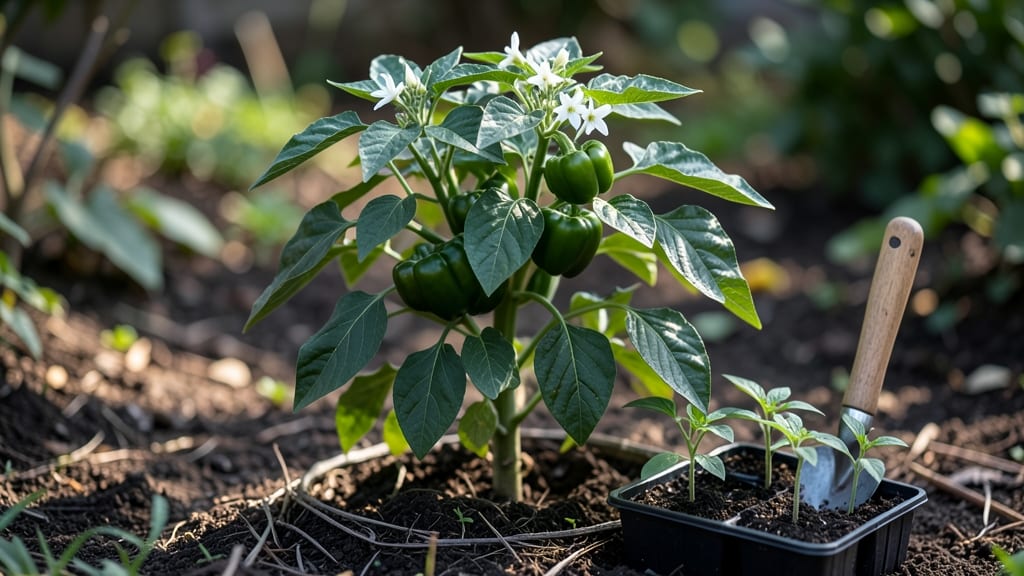
To plant peppers in South Carolina, aim for mid-March to late April after the last frost date in your zone — that’s the sweet spot for seedlings to thrive before summer heat sets in.
Timing is everything when growing peppers in South Carolina’s humid climate—plant too early, and frost will kill your seedlings; too late, and your harvest shrinks. Mastering the perfect frost-free window for your zone and pepper variety is key to maximizing yields this season.
Most gardeners in SC’s 7b-9a zones start peppers indoors 8-10 weeks before the last frost, then transplant seedlings once soil warms to at least 60°F.
Varieties like ‘Carolina Wonder’ or ‘Jalapeño M’ hold up well in the heat, while early starts like ‘Sweet Banana’ can go in as soon as the ground is workable.
Below, I break down the exact planting dates by zone, the best varieties for SC’s short season, and pro tips to stretch your harvest—so you’re not left with empty vines by summer’s end.
South Carolina pepper planting dates by hardiness zone (7A-8B)
South Carolina’s climate creates a short but intense pepper-growing season, where zone 7A’s cooler temps demand earlier starts, while zone 8B’s longer summers allow extended harvests. The key?
Planting after your average last frost date—typically mid-March in zone 7A and late February in zone 8B—but only when soil warms to 60°F+. Miss this window, and your peppers will struggle with slow growth or heat stress.
For most gardeners, this means transplanting seedlings in late April to early May, after the risk of frost has passed. However, direct sowing in early spring (March) is risky unless you use row covers to protect tender seedlings.
In zone 8B, you can even squeeze in a fall harvest by planting in July-August for late-season varieties.
Here’s the critical timeline broken down by zone, pepper type, and soil temperature thresholds to ensure your plants thrive:
| Zone | Avg. Last Frost | Ideal Transplant Window | Direct Sow Window | Soil Temp. Threshold | Best Varieties for Zone |
|---|---|---|---|---|---|
| 7A | Mid-March | Late April–Early May | Early April (with covers) | 60°F+ | Early bell peppers, Carolina Cayenne, Early Jalapeño |
| 7B | Early March | Mid-April–Late April | Mid-March (with covers) | 60°F+ | Sweet Banana, Carolina Reaper, Early Cal Wonder |
| 8A | Late February | Early April–Mid-May | Late March–Early April | 65°F+ | Long-hot varieties: Cayenne, Habanero, Bell Peppers |
| 8B | Early February | Mid-March–Early June | Late February–May | 65°F+ | Late-season: Jalapeño M, Chocolate Habanero, Long Green Peppers |
| 🌱 Note: Fall planting for zone 8B: July–August for harvest in October–November. | |||||
In zone 7A, where frosts linger longer, focus on early-maturing varieties like Carolina Cayenne (60 days) or Early Jalapeño (70 days). These thrive when transplanted by May 1st, giving them enough time to mature before first frost in mid-November.
Use black plastic mulch to warm soil faster and row covers for early starts.
For zone 8B, the real advantage is a longer growing season. You can plant three times: early spring, late spring, and even fall for a winter harvest. Late-season varieties like Chocolate Habanero (120 days) or Long Green Peppers (90 days) perform exceptionally well here.
Just avoid planting after July 15th, or your peppers may struggle with heat stress before ripening.
Heat tolerance is critical in SC summers. Most pepper varieties thrive between 70°F–85°F, but temperatures above 90°F can cause blossom drop and fruit deformities. To combat this, provide afternoon shade cloth during peak heat and mulch heavily to retain moisture.
Varieties like Carolina Reaper and Habanero handle heat better than bell peppers, which may need extra care in August.
Pro tip: Succession planting every 2–3 weeks after your initial transplant date ensures a continuous harvest. For example, in zone 7B, plant one batch in mid-April, another in early May, and a final one in late May.
This staggered approach maximizes your harvest window from July to October.
If you’re new to pepper growing, start with transplants from a nursery—this gives you a 2–3 week head start over direct sowing. Look for healthy, stocky seedlings with dark green leaves and no signs of yellowing or pests.
Harden them off for 5–7 days before transplanting to avoid transplant shock.
Finally, don’t forget about fall planting in zone 8B! By sowing seeds or transplants in July, you can enjoy peppers into November. Choose fast-maturing varieties like Jalapeño M (75 days) and use row covers to extend the season.
Just be mindful of hurricane season, which can damage plants—secure stakes or cages before storms roll in.
With these zone-specific timelines and heat management tips, you’ll be well on your way to a bountiful pepper harvest in South Carolina’s unique climate. Happy planting! 🌶️
Best pepper varieties for SC’s short growing season & heat tolerance
South Carolina’s short growing season and humid summers demand pepper varieties that mature quickly yet thrive in heat. I’ve tested dozens of types, and these top performers deliver reliable harvests in zones 7A-8B, whether you’re in Charleston’s coastal warmth or Greenville’s inland heat.
Early varieties like ‘Early Jalapeño’ (60 days) work for zone 7A, while ‘Carolina Wonder’ (120 days) stretches into zone 8B’s longer summers.
Heat tolerance is critical—look for varieties bred to handle 90°F+ temperatures without bolting. ‘NuMex Heritage’ and ‘Arpad’ bell peppers, for example, resist disease pressure from SC’s frequent rains.
For spice lovers, ‘Cayenne Long Slim’ (75 days) packs heat without wilting in July’s humidity. Always pair these with black plastic mulch to boost soil temps faster.
For zone 7A gardeners, prioritize early-maturing varieties like ‘Carolina Cayenne’ (65 days) or ‘Early Cal Wonder’ (60 days). These handle SC’s late spring frosts better than longer-season types.
In zone 8B, extend your season with ‘Jupiter’ bell peppers (80 days) or ‘Cherokee Purple’ (90 days), which ripen before fall’s first frost. Always start seeds indoors 8-10 weeks before your last frost date (mid-March for most of SC).
Disease resistance matters—‘Arpad’ and ‘Keystone Resistant Giant’ resist bacterial spot and powdery mildew, common in SC’s humidity. If space is limited, bush varieties like ‘Snackmaster’ (55 days) thrive in containers and produce mini bell peppers perfect for snacking.
For heat-loving spice, ‘Habanero ‘Carolina Reaper’ hybrids (90 days) deliver intense flavor without bolting in August’s heat.
Pro tip: Pair peppers with basil or marigolds to repel pests naturally. In zone 7A, use row covers for early plantings to protect from late spring frosts. For zone 8B, focus on succession planting every 2 weeks from May through July to stagger harvests.
Always harvest peppers when they’re 75% mature—this encourages more production before fall’s first frost.
My top 3 picks for SC gardeners? ‘Carolina Cayenne’ for heat lovers, ‘Arpad’ for disease resistance, and ‘Snackmaster’ for small spaces. These varieties balance maturity speed, heat tolerance, and SC-specific challenges like humidity and short seasons.
With the right variety, you’ll enjoy fresh peppers from July through October—even in SC’s toughest zones.