
Picking
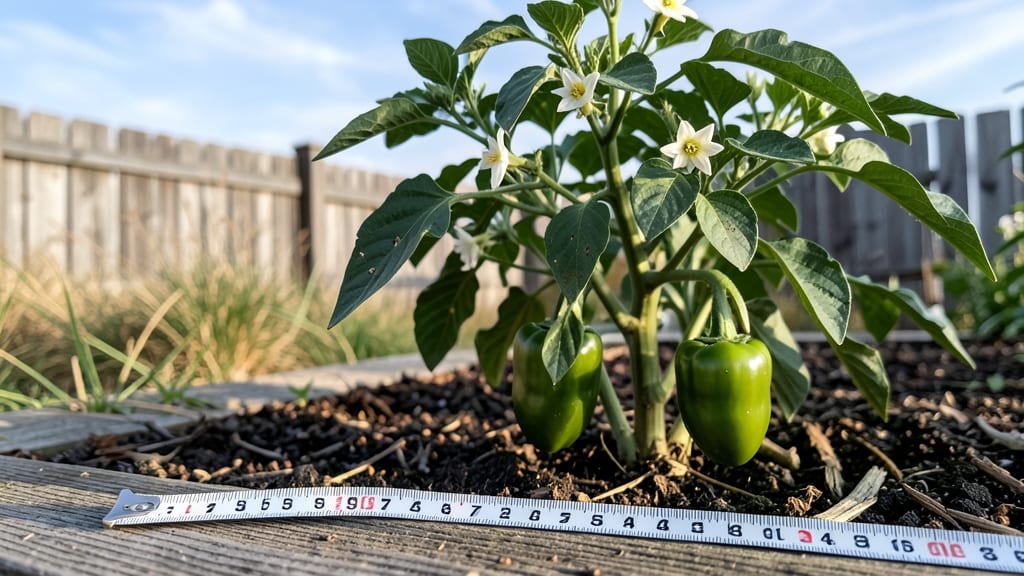
Your pepper plants are begging for more light—that’s why they’re producing tiny fruits instead of the juicy, plump harvests you dreamed of. 🌿 I’ve grown peppers for years, and the #1 reason for small peppers is simply not enough sunlight, especially when plants get crowded or shaded as they grow.
The fix isn’t complicated, but it does require paying attention to what your plants actually need, not just what you think they need.
Peppers need 6-8 hours of direct sunlight daily, but most gardeners underestimate how much shade sneaks in—especially in raised beds or under trees. If your plants are leggy with few flowers, they’re stretching toward light, which means they’re not putting energy into fruit development.
The good news? You can boost harvest size by pruning crowded branches to improve airflow and light penetration, or even moving containers to sunnier spots. I’ve seen peppers double in size just by giving them better light access.
Once you’ve fixed the light issue, focus on consistent watering and balanced fertilizer—peppers need steady moisture but hate soggy soil, and too much nitrogen (like in lawn fertilizer) makes them grow leaves instead of fruit.
A low-nitrogen, high-phosphorus fertilizer at the first sign of blooms will shift their energy toward bigger, sweeter peppers. Within weeks, you’ll notice thicker stems and more robust fruit development.
This isn’t just about one season—prevent recurrence by spacing plants 18-24 inches apart at planting and monitoring sunlight throughout the growing season. If you’re in a shady spot, consider reflective mulch or even a small grow light for late-season boosts. Trust me, your future harvests will thank you.
The Hidden Reasons Behind Tiny Peppers
Peppers that refuse to grow beyond a thumbnail size can be frustrating, but understanding the root causes is the first step to fixing the problem. Let’s break down the science behind why your peppers might be staying small—and how to address each issue.
Peppers are light-hungry plants, and when they don’t get enough, they prioritize survival over fruit production. Here’s why light matters so much:
- Photosynthesis slowdown: Peppers need 6–8 hours of direct sunlight daily (or 14–16 hours under grow lights).
Without enough light, the plant can’t produce the energy needed to develop large, healthy peppers. - Stunted growth hormones: Low light triggers the plant to produce more ethylene gas, a hormone that accelerates ripening but stunts fruit size. - Weak stems & leaves: Poor light leads to leggy, weak plants that divert energy to foliage instead of fruit.
💡 Pro Tip: If your peppers are in a garden bed, ensure they’re planted in a south-facing spot (Northern Hemisphere) or the north-facing spot (Southern Hemisphere). For container growers, use full-spectrum LED grow lights 12–16 inches above the plants for 14–16 hours/day.
Water stress—whether from overwatering or underwatering—directly impacts pepper size. Here’s how:
- Overwatering: Soggy soil drowns roots, cutting off oxygen and nutrients.
This forces the plant into survival mode, producing tiny peppers as a last resort. - Underwatering: Drought stress triggers abscisic acid, a hormone that signals the plant to conserve energy by shrinking fruit size. - Inconsistent moisture: Peppers hate boom-and-bust watering.
Uneven watering causes blossom-end rot (a calcium deficiency) and stunted growth.
🌡️ Key Fix: Water deeply 1–2 times per week (depending on climate), aiming for 1–1.5 inches of water per week. Use drip irrigation or soaker hoses to keep moisture consistent. Mulch with straw or wood chips to retain humidity.
Peppers are heavy feeders, and missing key nutrients leads to tiny, underdeveloped fruit. The most critical deficiencies:
| Nutrient | Symptoms | Solution |
|---|---|---|
| Nitrogen (N) | Yellowing leaves, weak stems | Use balanced fertilizer (10-10-10) or compost tea |
| Phosphorus (P) | Purple stems, slow fruit development | Add bone meal or rock phosphate at planting |
| Potassium (K) | Weak fruit walls, poor flavor | Use potassium sulfate or banana peel tea |
✨ Bonus Tip: A soil test (available at garden centers) reveals exact deficiencies. Most peppers thrive in slightly acidic soil (pH 6.0–6.8)—adjust with lime (to raise pH) or sulfur (to lower pH).
Peppers are tropical plants and hate extremes. Here’s how temperature affects size:
- Too cold (<50°F/10°C): Growth stops completely.
Flowers drop off ("pepper blossom drop"), and existing peppers stay tiny. - Too hot (>90°F/32°C): Flowers abort before setting fruit, or peppers develop blossom-end rot from uneven calcium uptake. - Nighttime temps: Peppers need warm nights (60–75°F/15–24°C) for proper fruit development.
Cooler nights (<55°F/13°C) stunt growth.
🔥 Quick Fix: Use row covers in early spring or shade cloth (30–50%) in scorching summers. For container growers, move pots to a protected spot if temps dip below 55°F.
When peppers are too close together, they compete for resources, leading to small fruit. Plus, poor pollination means fewer (and smaller) peppers.
- Overcrowding: Plants steal nutrients from each other, resulting in weak, undersized peppers. - Lack of pollinators: Peppers are self-pollinating, but wind or bees help.
In containers or greenhouses, gentle shaking of plants can improve pollination. - Too many flowers at once: If a plant sets more flowers than it can support, it produces tiny peppers instead of a few large ones.
👨🍳 Gardener’s Hack: Space peppers 18–24 inches apart in beds or 12–16 inches apart in containers. If growing indoors, hand-pollinate by gently tapping flowers with a small brush.
Hidden pests and diseases sap energy from your peppers, leaving them small and weak.
- Aphids & Spider Mites: These suck sap, causing yellowing leaves and stunted growth.
- Fungal diseases (e.g., powdery mildew): Clog pores, preventing nutrient absorption.
- Root rot (from overwatering): Kills roots, cutting off water and nutrients.
🔪 Pest Control: Use neem oil spray (for soft-bodied pests) or insecticidal soap. For fungal issues, remove infected leaves and treat with copper fungicide.
Not all peppers are created equal! Some naturally stay small, while others need specific growing conditions.
- Small-fruited varieties: Some peppers (like shishito, banana peppers, or Thai chilis) are genetically programmed to stay small.
- Large-fruited varieties (bell peppers, jalapeños, poblanos): Need more space, light, and nutrients to reach full size.
- Hybrids vs. Heirlooms: Hybrids (like ‘California Wonder’) often produce larger, more consistent fruit than heirlooms.
🎯 Solution: If you want big peppers, choose hybrid varieties and give them optimal growing conditions. For small, flavorful peppers, embrace varieties like peppercorns or piquins—they’re meant to stay tiny!
Fix Small Peppers with Light & Care
Now that you know the culprits behind tiny peppers—whether it’s insufficient light, nutrient deficiencies, overcrowding, or poor pollination—let’s turn things around with actionable fixes.
These solutions are designed to be simple, effective, and tailored to each root cause. Plus, we’ll share prevention tips to keep your peppers thriving long-term!
Peppers are sun-hungry plants, and weak light = stunted growth. If your peppers are small and leggy, they’re begging for more sunlight.
How to Fix It:
✅ 🔥 Move to a Sunnier Spot
- If growing outdoors, relocate your pepper plants to a full-sun area (6+ hours of direct sunlight daily).
- Use a sun calculator (like SunCalc) to track sunlight in your region.
- Pro Tip: 💡 If moving isn’t possible, consider reflective surfaces (like white walls or mirrors) to bounce extra light onto plants.
✅ 🏠 Extend Light Indoors
- If growing in containers or indoors, supplement with grow lights (LED or fluorescent).
- Best setup: 12–16 hours of light daily, 4–6 inches above plants.
- Budget hack: Use cheap LED shop lights (like SANSI or Mars Hydro) for ~$20–$50.
✅ 🌡️ Adjust Temperature for Light Absorption
- Peppers thrive in 70–85°F (21–29°C). If nights dip below 55°F (13°C), growth slows.
- Fix: Use row covers or a mini greenhouse to retain warmth.
🔄 Prevention Tips:
- Start strong: Choose compact pepper varieties (like ‘Shishito’ or ‘Poblano’) if space is limited.
- Rotate plants weekly to ensure even light exposure.
Small peppers often mean nutrient starvation. Peppers need balanced fertilizer—especially phosphorus (P) for flowering and potassium (K) for fruit swelling.
How to Fix It:
✅ 👨🍳 Fertilize Correctly
- Outdoor plants: Use a balanced 10-10-10 or 5-10-10 fertilizer every 2–3 weeks once flowers appear.
- Potted plants: Switch to a high-phosphorus formula (like 5-10-5) when buds form.
- Organic option: Mix compost + banana peels (potassium) into soil.
✅ 🥗 Fix Deficiencies Fast
| Symptom | Likely Deficiency | Quick Fix |
|---|---|---|
| Yellow leaves (oldest) | Nitrogen (N) | Add fish emulsion or coffee grounds |
| Purple stems/leaves | Phosphorus (P) | Use bone meal or rock phosphate |
| Weak stems, slow growth | Potassium (K) | Sprinkle wood ash or Epsom salt |
| Blossom end rot | Calcium (Ca) | Crushed eggshells or lime |
✅ 💧 Water Wisely (But Don’t Drown!)
- Overwatering = root rot = stunted growth.
- Fix: Water deeply 1–2x/week (check soil moisture—top inch should dry out).
- Pro Tip: 🌡️ Use a moisture meter to avoid guesswork.
🔄 Prevention Tips:
- Test soil before planting (pH 6.0–6.8 is ideal).
- Mulch with straw to retain moisture and nutrients.
Crowded peppers compete for light and nutrients, leading to small, underdeveloped fruit.
How to Fix It:
✅ 🔪 Thin Out Plants (If Needed)
- Outdoor beds: Space peppers 18–24 inches apart.
- Containers: 1 plant per 5-gallon pot (or larger).
- If overcrowded: Snip off smaller plants at the base to free up space.
✅ 🌱 Prune for Better Airflow
- Remove suckers (shoots in leaf junctions) to focus energy on fruit.
- Prune lower leaves to improve airflow (reduces disease risk).
🔄 Prevention Tips:
- Start with the right spacing—don’t overplant!
- Use trellises for bush varieties to save space.
If peppers are blossoming but not setting fruit, pollination might be the issue (common in greenhouses or humid climates).
How to Fix It:
✅ 👨🍳 Do It Yourself
- Gently shake plants in the morning (when humidity is low).
- Use a paintbrush to transfer pollen from male to female flowers (female flowers have tiny peppers at the base).
- Pro Tip: 💡 Humidity hack: Place a fan nearby to dry morning dew, helping pollen stick.
✅ 🐝 Attract Pollinators
- Plant bee-friendly flowers (like basil or marigolds) nearby.
- Avoid pesticides that kill bees.
🔄 Prevention Tips:
- Avoid over-fertilizing with nitrogen (too much = more leaves, fewer flowers).
- Choose self-pollinating varieties (like ‘Jalapeño’) if pollinators are scarce.
Before you give up, run through this quick fix checklist:
- Light: Are they getting 6+ hours of sun? If not, supplement with grow lights.
- Soil: Is it rich in compost?
Test for deficiencies. 3. Water: Are you watering deeply but not drowning them? 4. Space: Are plants 18–24 inches apart? 5. Pollination: Did you shake plants or hand-pollinate?
🌟 Bonus Pro Tip: 🌡️ Heat Lovers Need Warm Roots!
- If soil temps drop below 60°F (15°C), peppers stop growing.
- Fix: Use black plastic mulch or a heat mat for containers.
With these fixes, your peppers should swell up in no time—and you’ll be feasting on plump, juicy harvests in weeks! 🌶️🔥
Frequently asked questions
Why do my pepper plants keep producing tiny fruits even after adding fertilizer?
Extra fertilizer alone won't fix the problem if your peppers lack light or have pollination issues. Focus first on 6-8 hours of direct sunlight and check if flowers are setting fruit. If not, try gently shaking plants or hand-pollinating with a paintbrush. Over-fertilizing with nitrogen can actually make the problem worse by encouraging leaf growth over fruit development.
Can I still get big peppers from varieties that are supposed to stay small?
Some varieties like shishito or banana peppers are genetically programmed to stay small, but you can still maximize their size by giving them optimal care. Focus on consistent watering, balanced fertilizer, and proper spacing. Even small varieties will grow slightly larger with ideal conditions, though they'll never reach bell pepper proportions.
How do I know if my peppers need more light or better soil nutrients?
Check the plant's leaves first: Leggy stems with few leaves = light deficiency. Yellowing leaves (especially older ones) = nitrogen deficiency. Purple stems = phosphorus shortage. For a definitive answer, do a soil test ($10 at garden centers) and track sunlight hours with a simple app like SunCalc.
Will moving my pepper plants to a sunnier spot mid-season help them grow larger?
Peppers are remarkably adaptable. Move them as soon as possible to a south-facing spot (Northern Hemisphere) with 6+ hours of direct sun. Within 2-3 weeks, you should see improved growth and larger developing peppers. Just be gentle with the roots to avoid transplant shock.
What's the fastest way to fix small peppers if I only have 4 weeks until harvest?
Focus on these 3 critical fixes immediately:
- Move to maximum sunlight (or add grow lights),
- Switch to a high-phosphorus fertilizer (like 5-10-5), and
- Hand-pollinate flowers daily. Water deeply but consistently, and prune any crowded branches to improve airflow. You'll see noticeable size improvement within 2 weeks.