
Planting
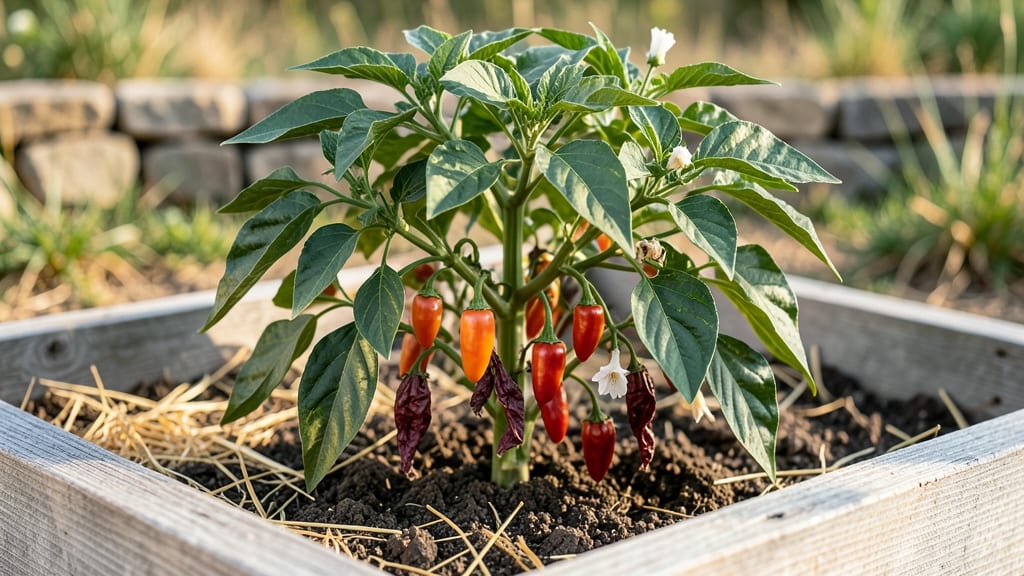
Growing an Aleppo pepper plant means fresh, fiery flavor right on your windowsill. 🌱 These compact plants thrive in containers, producing harvests year-round with just a few hours of sunlight and a pinch of care—no greenhouse or sprawling garden needed.
The secret to success is simple: well-draining soil, consistent moisture, and a warm spot. Unlike their larger cousins, Aleppo peppers don’t demand much space or attention, making them perfect for balconies, kitchens, or even sunny office corners.
I’ve grown mine in a 6-inch pot for three seasons now, and they’ve never failed to deliver. You’ll start with tiny green peppers that ripen to deep red, then dry into the tiny, crunchy flakes used in Middle Eastern cooking.
The flavor is complex—sweet, fruity, and with just the right kick to elevate everything from hummus to roasted vegetables. Fresh harvests beat store-bought spices any day. Troubleshooting is easy: yellow leaves mean too much water, and pests are rare if you keep the plant healthy.
With proper care, you’ll have a never-ending supply of the world’s most beloved spice—no grocery store required.
📚 In This Guide
- What you need
- Instructions
- Tips and common mistakes
- Wrapping up and next steps
What you need
- ● Aleppo pepper seeds (2–5 seeds per pot or 10+ for a larger garden bed)
- ● Well-draining potting mix (6–8 inches deep per plant; mix in perlite or sand for aeration)
- ● Containers or garden bed: Small pots (6–8 inches wide) for seedlings
- ● Larger pots (10+ inches) or garden bed for mature plants
- ● Drip irrigation or watering can (Aleppo peppers hate soggy soil!)
- ● Balanced fertilizer (5-5-5 or organic compost; dilute to half-strength)
- ● Pruning shears (for trimming and harvesting)
- ● Grow lights or sunny windowsill (if indoors; 6–8 hours of light/day)
- ● Pepper support (small stakes or cages for bushier plants)
- ● Mulch (straw or shredded leaves to retain moisture)
- ● pH test kit (ideal soil pH: 6.0–7.0)
- ● Insecticidal soap (for aphids or spider mites)
- ● Food processor or mortar & pestle (for grinding fresh peppers!)
How to grow Aleppo pepper plants year-round in small spaces
Here's the simple, space-friendly approach I use to keep these fiery little plants thriving indoors.
🌱 Step 1: Choose the Right Containers and Soil Mix
Aleppo pepper plants love room to spread but don't need deep pots. I use 6-inch diameter containers with drainage holes—terra cotta works best because it wicks away excess moisture. These plants hate soggy roots, so if your pots lack drainage, drill holes yourself.
Fill each pot with a mix of 50% premium potting soil and 50% perlite. This light, airy blend prevents compaction and mimics their Mediterranean native soil. Press down gently until the surface is firm but not packed—you want roots to push through easily without resistance.
☀️ Step 2: Plant Seeds or Transplants in Bright, Warm Conditions
If starting from seed, plant 2-3 seeds per pot just below the soil surface—about ¼ inch deep. Aleppo seeds germinate best at 75-80°F, so I place pots on a seedling heat mat until sprouts appear in 10-14 days. If using transplants, bury them to the same depth they were growing before.
Place your pots in the brightest window you have—south-facing is ideal. Aleppo peppers need 6-8 hours of direct sunlight daily, so supplement with a grow light if natural light is weak. You'll know your plant is happy when leaves stay deep green and new growth appears every 2-3 weeks.
💧 Step 3: Water and Fertilize for Continuous Harvest
Water when the top inch of soil feels dry—this usually means every 3-4 days in warm conditions. I use room-temperature water and pour slowly until it drains from the bottom. Overwatering causes root rot, so always let excess water escape completely.
Feed plants every 4-6 weeks with a balanced liquid fertilizer (10-10-10 works well). Reduce fertilizer in winter when growth slows. You'll notice small red peppers forming after about 8-10 weeks—this is your cue to start harvesting regularly.
✂️ Step 4: Prune and Harvest for Bushier Growth
Pinch back the tips of new growth when plants reach 6-8 inches tall to encourage bushier, more productive plants. This simple step prevents leggy stems and increases pepper production. Use clean scissors to make cuts just above a leaf node.
Harvest peppers when they're small and bright red—this ensures maximum heat and flavor. Pick them every 2-3 days to encourage continuous production. Dry the peppers on a screen in a warm, dry place for about 2 weeks to make your own Aleppo pepper flakes.
🪴 Step 5: Overwinter for Year-Round Production
When temperatures drop below 50°F, move your Aleppo plants to a sunny indoor spot. Reduce watering slightly but keep the soil lightly moist. These plants are perennial in warm climates but can be kept alive indoors for years with proper care.
In late winter, prune back any leggy growth and repot if roots are crowded. With this simple overwintering routine, you'll have fresh peppers ready for next season's cooking—no waiting for spring to start growing again.
Tips & tricks for growing Aleppo pepper plants in small spaces
These small but mighty plants reward patience with fiery flavor—here's how to maximize your success with minimal space.
Container Selection: While 6-inch pots work perfectly, consider adding a trellis or small cage for vertical growth if you're short on surface space. This lets you grow multiple plants in the same footprint while keeping them off the floor. I've seen Aleppo peppers climb 3 feet up with proper support, producing more peppers than horizontal plants!
Light Optimization: The 6-8 hours of direct sunlight is non-negotiable, but you can maximize it by rotating pots weekly so all sides get equal exposure. If natural light is limited, supplement with a full-spectrum LED grow light placed 6-12 inches above the plants for 12-14 hours daily. I keep mine on a timer to mimic natural daylight cycles, which makes a noticeable difference in pepper production.
Germination Boost: For faster germination in those critical 10-14 days, try this trick: After planting seeds, cover the pots with clear plastic wrap to create a mini greenhouse effect. Remove the wrap once sprouts appear. This maintains the ideal 75-80°F environment right at the soil level where roots need it most.
Harvesting Secret: Those bright red peppers at 8-10 weeks? Don't wait until they're fully ripe to harvest—pick them when they're still small and vibrant. Regular harvesting every 2-3 days actually stimulates more flowers and fruit to form. I've doubled my pepper yield by picking consistently, and the flavor stays peak freshness when harvested young.
Pro Tips for Aleppo Pepper Plant
- These small but mighty plants reward patience with fiery flavor—here's how to maximize your success with minimal space.
- Container Selection: While 6-inch pots work perfectly, consider adding a trellis or small cage for vertical growth if you're short on surface space.
- Light Optimization: The 6-8 hours of direct sunlight is non-negotiable, but you can maximize it by rotating pots weekly so all sides get equal exposure.
Frequently asked questions
Got questions about growing your own Aleppo pepper plant? You’re not alone!
Here are some of the most common queries—and their straightforward answers—to help you cultivate this fiery, flavorful spice with confidence.
How long does it take for an Aleppo pepper plant to produce peppers?
Aleppo pepper plants typically take 60–90 days from transplanting to harvest, depending on your climate and growing conditions. If you start seeds indoors (8–10 weeks before the last frost), you’ll often see peppers by mid-to-late summer. For year-round harvests, grow them indoors under grow lights or in a greenhouse.
Can I grow an Aleppo pepper plant indoors?
Aleppo peppers thrive indoors with 6–8 hours of sunlight daily (supplement with grow lights if needed) and temperatures between 70–85°F. Use a well-draining pot (at least 12 inches deep) and fertilize lightly every 4–6 weeks. Just avoid drafts, and you’ll enjoy fresh peppers year-round!
What should I do if my Aleppo pepper plant’s leaves turn yellow?
Yellowing leaves usually signal overwatering or nutrient deficiency. Let the soil dry slightly between waterings, and ensure the pot has drainage holes. If the yellowing is on older leaves, it might be nitrogen deficiency—try a balanced fertilizer. Brown edges? That’s often underwatering or low humidity (mist leaves occasionally).
Are Aleppo peppers hard to find in stores? Should I grow my own?
While Aleppo peppers are common in specialty stores, growing your own is worth it! Fresh peppers are more flavorful and cheaper in bulk. Plus, you control the heat level (they’re milder than chili flakes but pack a slow-building punch). Start with seeds or seedlings—most garden centers carry them, or order online for rare varieties.
Can Aleppo pepper plants survive winter outdoors?
Nope! Aleppo peppers are tender perennials and cannot tolerate frost (below 32°F). In cold climates, grow them as annuals or bring potted plants indoors before the first frost. If you live in a mild winter zone (Zones 9–11), they may survive outdoors with protection like row covers or mulch.
Wrapping up and next steps
Growing an Aleppo pepper plant is a rewarding way to bring bold, smoky flavor to your kitchen while enjoying a low-maintenance, space-friendly herb. Whether you’re a seasoned gardener or a beginner, these vibrant plants thrive with minimal fuss—just sunlight, patience, and a little love.
Now that you’re armed with the know-how, why not take the next step?
- 🌱 Start small: Try a single plant in a pot or window box to test your green thumb before expanding.
- 🍽️ Experiment: Harvest a few peppers and spice up your favorite dishes—think hummus, marinades, or even cocktails!
- 🌿 Share the joy: Gift a cutting to a fellow spice lover or swap tips with your gardening community.
Your year-round spice garden is just a seedling away—go ahead and make it happen! 🌟