
Companion Plants
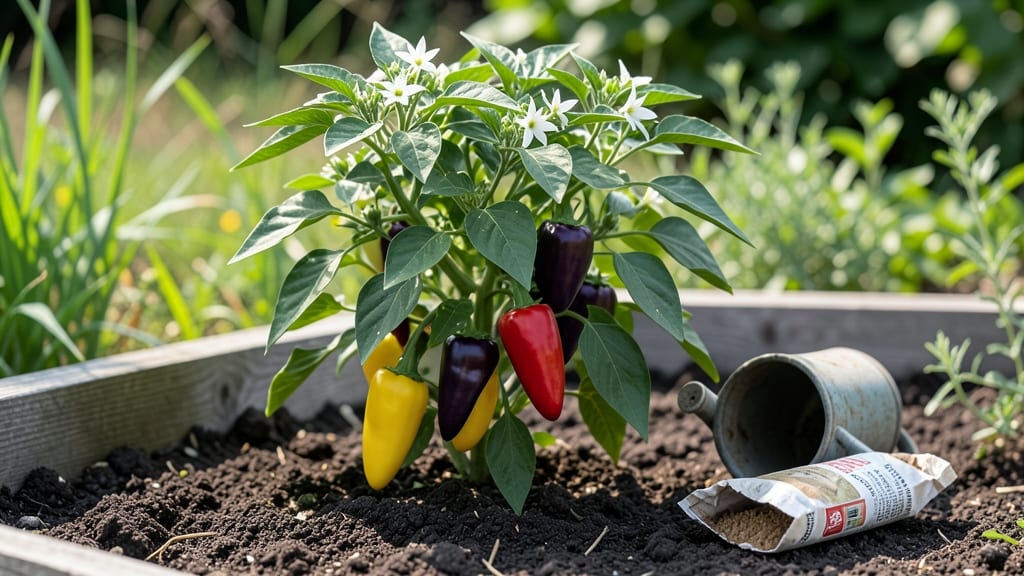
Growing Carmen pepper plants in tight spaces just got easier with vertical tricks. 🌱 These sweet, fruity peppers thrive when you let them climb instead of sprawl, turning balconies and patios into flavor factories.
I’ve grown them for years, and the difference between a sprawling mess and a tidy, productive vertical garden is all in the setup.
Start with a sturdy trellis or cage—Carmen peppers need support to reach their full 3-4 foot height. They crave full sun (6+ hours daily) and well-draining soil mixed with compost. Water consistently but avoid soggy roots; these peppers hate wet feet.
Prune regularly to encourage bushier growth and more fruit, and pinch off early blooms if you want bigger peppers later.
By midsummer, you’ll have clusters of glossy green peppers turning red—packed with sweet, slightly smoky flavor. The vertical setup saves space while boosting yields, and you’ll avoid the common pitfall of peppers rotting from ground contact. Plus, harvesting becomes a breeze when plants are off the ground.
Works in containers, raised beds, or even hanging pockets—just adapt the trellis to your space. Here’s how to keep them thriving all season long, even in small yards or urban balconies.
📚 In This Guide
- What you need
- Instructions
- Tips and common mistakes
- Wrapping up and next steps
What you need
- ● Carmen pepper seeds or seedlings: 1–3 plants (depending on space). Choose organic, non-GMO seeds for the best flavor.
- ● Vertical growing system: Wall-mounted planters (e.g., fabric pockets, modular shelves) – 5–10 pockets per plant.
- ● Tower gardens (e.g., AeroGarden, self-watering towers) – 1–2 units.
- ● DIY options: Repurposed pallets, hanging shoe organizers, or PVC pipes with net cups.
- ● High-quality potting mix: 5–10 gallons. Use a well-draining mix with perlite or coco coir (e.g., 60% potting soil, 30% perlite, 10% compost).
- ● Containers or pots: 5–7" diameter (if not using a vertical system). Ensure they have drainage holes!
- ● Support structures: Bamboo stakes or tomato cages (for indeterminate growth).
- ● Twine or soft plant ties (to secure vines to vertical frames).
- ● Pruning shears: Sharp, sterilized shears for trimming and harvesting.
- ● Watering can or spray bottle: With a fine rose attachment for gentle watering.
- ● pH meter or test kit: To monitor soil pH (ideal range: 6.0–6.8 for peppers).
- ● Fertilizer: Balanced liquid fertilizer (e.g., 10-10-10) – Dilute to half-strength.
- ● Organic options: Compost tea, fish emulsion, or worm castings.
- ○ Grow lights (optional but helpful): LED full-spectrum lights (12–16 hours/day) if indoors or in low-light spaces.
- ● Sunlight: 6–8 hours of direct sunlight daily. South-facing windows or a sunny balcony work for small spaces.
- ● Temperature: 70–85°F (21–29°C) during the day, 60°F (15°C) minimum at night. Avoid drafts!
- ● Humidity: 40–70%. Use a humidity tray or misting bottle in dry climates.
- ● Water: Access to chlorine-free water (let tap water sit out for 24 hours or use filtered water).
- ● Companion plants: Basil, thyme, or marigolds to deter pests and boost growth.
- ● Self-watering system: Drip irrigation or a wicking bed to reduce maintenance.
- ● Growth tracker: A journal or app (e.g., Gardenate) to log progress and harvest dates.
- ● Peat moss or coconut coir: For extra moisture retention in dry climates.
Step-by-Step vertical growth hacks for Carmen pepper plants
Turn your tiny balcony into a spice powerhouse with these space-saving tricks.
🪴 Step 1: Set Up Your Vertical Trellis System
Start with a sturdy 5-6 foot tall trellis made from bamboo stakes or a metal grid. I like to anchor mine to a wall or fence with zip ties for extra stability—Carmen peppers can get heavy when laden with fruit. Place the trellis in a location that gets at least 6-8 hours of direct sunlight daily, preferably near a south-facing wall.
For a 4-plant setup, space each pepper plant 18-24 inches apart at the base of the trellis. This gives their roots room to establish before they start climbing. If you're using containers, make sure they have drainage holes and are large enough to hold 1 gallon of potting mix per plant—Carmen peppers have deep roots and need space to stretch downward.
🌱 Step 2: Train Young Plants to Climb Early
Once your Carmen pepper seedlings reach 6-8 inches tall (about 4-6 weeks after sowing), gently tie the main stem to the trellis using soft plant ties or strips of old T-shirt fabric. Avoid wire or anything that could cut into the stem—peppers are delicate when young. I like to make a loose loop around the stem and then wrap it around the trellis once, leaving room to grow.
Here’s the thing—don’t let them get too tall before training. If a seedling grows to 12 inches without support, it’ll flop over and struggle to recover. Watch for the first true leaves (the second set after the initial cotyledons) as your cue to start guiding them upward. You’ll see new growth spurt upward once they get a handhold on the trellis.
☀️ Step 3: Prune for Bushier, Productive Growth
When your Carmen peppers hit 3 feet tall, it’s time to encourage branching. Use clean, sharp pruning shears to snip off the top set of leaves just above a leaf node (where leaves and stems meet). This forces the plant to send out side shoots instead of growing one long, leggy stem. I usually prune in the morning so any cuts have time to dry before evening moisture sets in.
Remove any suckers (those little shoots that grow in the crotch between the main stem and a branch)—they sap energy from fruit production. Keep only 2-3 of the strongest side branches per plant to focus growth upward. You’ll notice within 2-3 weeks that the plant fills out more and starts producing more blossoms along those new branches.
💧 Step 4: Water and Fertilize for Vertical Success
Water your Carmen peppers deeply once a week, aiming for 1-1.5 gallons per plant. Let the top 2 inches of soil dry out between waterings—overwatering leads to root rot, which is a vertical grower’s worst enemy. I water at the base of the plant in the morning so the leaves stay dry, reducing the risk of fungal diseases like powdery mildew.
Feed your plants every 4-6 weeks with a balanced liquid fertilizer (10-10-10 or 20-20-20). I mix it at half-strength to avoid burning the roots—Carmen peppers are sensitive to salt buildup. You’ll see darker green leaves and more flowers within a couple of weeks of fertilizing, signaling the plant is happy and productive.
✂️ Step 5: Harvest and Prune for Continuous Growth
Start harvesting peppers when they reach 3-4 inches long—this encourages the plant to keep producing. Use a small knife or scissors to cut the stem just above the fruit, leaving a tiny stub. I harvest in the late morning when the peppers are firm and dry, which helps them store longer in my kitchen.
After each harvest, give the plant a light trim to remove any yellowing or diseased leaves. This keeps airflow moving through the plant, which is crucial for preventing mold when peppers are stacked vertically. With regular pruning and training, your Carmen peppers will keep producing throughout the growing season, giving you a steady supply of spicy goodness even in small spaces.
Tips & tricks for perfect vertical Carmen pepper growth
These space-saving secrets will transform your balcony into a thriving spice garden without sacrificing flavor.
Sunlight Strategy: That 6-8 hours of direct sunlight requirement is non-negotiable for Carmen peppers. If your balcony only gets partial sun, position your trellis to capture morning sun plus afternoon light—peppers need intense rays for fruit development. I’ve seen plants struggle when placed in dappled shade, even with the same watering routine. Consider a portable trellis you can move throughout the day if needed.
Trellis Stability Hack: Carmen peppers can get surprisingly heavy when laden with fruit, so don’t skimp on securing your 5-6 foot trellis. I’ve had bamboo trellises collapse under the weight—zip ties to a sturdy wall or fence make all the difference. For extra insurance, bury the base stakes 6-8 inches deep in the ground to prevent toppling during windy days.
Pruning Precision: When you reach Step 3 and prune at the leaf node, make your cuts just above where the leaf meets the stem. This tiny detail prevents unsightly stubs and encourages cleaner growth. I keep my pruning shears sanitized with rubbing alcohol between cuts—this prevents spreading disease between plants. The 2-3 weeks to see new blossoms is worth the patience!
Container Considerations: If using containers, that 1 gallon of potting mix per plant is minimum—Carmen peppers have deep taproots. I’ve had success with 5-gallon fabric grow bags that allow roots to breathe while providing extra room. Just remember to water more frequently in containers since they dry out faster than in-ground setups.
Pro Tips for Carmen Pepper Plants
- These space-saving secrets will transform your balcony into a thriving spice garden without sacrificing flavor.
- Sunlight Strategy: That 6-8 hours of direct sunlight requirement is non-negotiable for Carmen peppers.
- Trellis Stability Hack: Carmen peppers can get surprisingly heavy when laden with fruit, so don’t skimp on securing your 5-6 foot trellis.
Frequently asked questions
about growing Carmen pepper plants in small spaces—because every gardener deserves a little clarity!How tall can Carmen pepper plants grow vertically?
With proper support (like trellises or cages), Carmen peppers can reach 4–6 feet tall in vertical setups. Prune regularly to encourage bushier growth and redirect energy upward. Use espalier training for ultra-compact spaces—just ensure sturdy structures to avoid snapping stems!
When is the best time to harvest Carmen peppers?
Harvest when peppers turn deep red (80–90 days after transplanting) for maximum sweetness. For milder flavor, pick them green or yellow. Use pruning shears to avoid damaging plants. Pro tip: Harvest frequently to encourage more production!
Can I grow Carmen peppers indoors year-round?
Place them near a south-facing window or under grow lights (12–16 hrs/day). Use containers with drainage holes and fertilize every 2–3 weeks. Watch for pests like spider mites—spray with neem oil if needed. Indoor peppers may need hand-pollination (gently shake flowers).
What’s the best companion plant for Carmen peppers in small spaces?
Pair with basil, marigolds, or onions to deter pests and improve flavor. Avoid planting near fennel or brassicas (they compete for nutrients). For vertical gardens, try trailing nasturtiums—they repel aphids and add color! Stack companion plants in pots for a self-sustaining micro-garden.
Why are my Carmen pepper leaves turning yellow?
Yellow leaves usually signal overwatering, nutrient deficiency, or root rot. Check soil moisture (it should be damp, not soggy) and adjust watering. Add balanced fertilizer (like 10-10-10) if leaves are pale. Yellow edges? Likely underwatering—peppers prefer consistent moisture. Rotate pots for even light exposure too!
Wrapping up and next steps
Growing Carmen pepper plants vertically is a game-changer for small-space gardeners—packing bold flavor into limited room while boosting air circulation and yield! 🌱 With the right trellises, pruning techniques, and companion plants, you’ll enjoy a thriving spice garden that’s both efficient and rewarding.
Whether you’re a beginner or a seasoned grower, these hacks make it easier than ever to cultivate fiery, fragrant peppers.
Ready to spice up your space? Start small—try a single plant or a mini vertical garden—and let your confidence (and harvest!) grow. Soon, you’ll be experimenting with new varieties, scaling up, or even sharing your green thumb with neighbors. Happy growing! 🌿✨