
Container Gardens
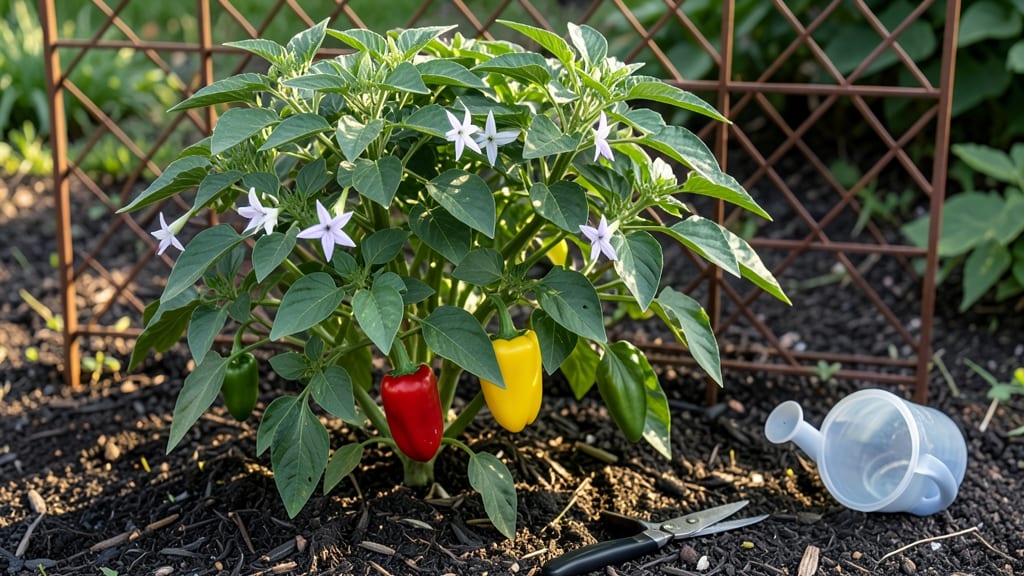
Growing sweet peppers in pots isn’t just possible—they’re explosively productive when you train them up a pole. 🌱 I learned this the hard way after my first attempt with sprawling plants that took over my balcony, but now my 5-gallon pots produce more peppers than my in-ground beds ever did.
The secret? Vertical growth, the right varieties, and a few simple tricks that turn containers into pepper powerhouses.
Start with compact varieties like 'Sweet Banana,' 'Lunchbox,' or 'Jalapeño M'—they stay small but pack flavor. You'll need a sturdy 5-gallon pot (or larger for multiple plants), well-draining potting mix, and a 6-foot tall trellis or pole.
Most importantly, place them where they get 6-8 hours of sun daily—southern exposures work best, but even east-facing spots can work with the right care.
By midsummer, you'll be harvesting bright, glossy peppers straight from your balcony or patio. The pole training keeps plants off the ground, reduces disease risk, and lets you grow more in less space. Plus, the vertical display makes your garden look like a pro's setup—even if you're a first-timer.
This method works for apartments, small yards, or even sunny windowsills with grow lights. The only real challenge is keeping up with watering during heatwaves, but the payoff—fresh peppers all season—makes it worth every effort. Let's get those poles growing!
📚 In This Guide
- What you need
- Instructions
- Tips and common mistakes
- Wrapping up and next steps
What you need
- ● Containers: 1–2 5-gallon fabric grow bags or plastic/ceramic pots (at least 12–18 inches deep and wide) per plant. Fabric pots allow for better root aeration!
- ● Drainage holes (if using pots without them—drill them yourself!).
- ● Growing Medium: 1 bag high-quality potting mix (look for "container mix" or "vegetable blend" with added compost). Avoid garden soil—it compacts too much!
- ● 1 cup perlite or vermiculite (per 5-gallon container) to improve drainage.
- ● Sweet Pepper Plants: 2–4 compact or dwarf sweet pepper varieties (e.g., 'Snackable', 'Sweet Banana', or 'Jalapeño M' for smaller spaces). Start with transplants or seeds (if starting from seed, add seed-starting kit below).
- ● Support System: 1 bamboo stake, trellis, or tomato cage (5–6 feet tall) per plant for pole training.
- ● Soft garden twine or plant ties to secure vines to the support.
- ● Fertilizer: 1 balanced liquid fertilizer (10-10-10 or 5-5-5) or slow-release granular fertilizer (follow package instructions).
- ● Watering Supplies: Watering can with a rose attachment (for gentle, targeted watering) or a hose with a soft spray nozzle.
- ● Self-watering planter or wicking system to reduce watering frequency (great for busy gardeners!).
- ● Mulch (straw or shredded leaves) to retain moisture and suppress weeds.
- ● Grow lights (if starting seeds indoors before the last frost).
- ● Plant saucers or trays to catch runoff and keep surfaces tidy.
- ● Pruning shears for trimming excess foliage or harvesting.
- ● Epsom salt (1 tbsp per gallon of water, monthly) for a magnesium boost.
Step-by-step instructions for growing sweet peppers in pots
Here’s how to transform your patio or balcony into a high-yield pepper garden using just a few key supplies.
🪴 Step 1: Choose the Right Containers and Drainage
Sweet peppers need 5-gallon pots minimum—they’re heavy feeders and hate soggy roots. I use fabric grow bags for my pepper plants because they wick moisture evenly and prevent compaction. If using traditional pots, ensure they have at least four drainage holes spaced evenly around the base. Place a 1-inch layer of gravel or broken pottery in the bottom before adding soil—this prevents clogging while allowing excess water to escape.
Don’t skimp on container size. A 7- to 10-gallon pot gives mature plants enough room to thrive without root competition. If you’re growing four plants, you’ll need four separate containers—peppers resent sharing space and will compete aggressively for nutrients. Label each pot with the variety name and planting date to track growth progress.
🌱 Step 2: Prepare Soil and Plant Seedlings
Fill your containers with a sterile potting mix blended with 20% perlite or vermiculite for aeration. I mix in a slow-release fertilizer (like 10-10-10) at a rate of 1 tablespoon per gallon of soil—this gives peppers a nutrient head start. Moisten the mix until it’s damp but not dripping, then press it down lightly to eliminate air pockets. For each pot, dig a hole twice as wide as the seedling’s root ball and place the plant so the top of the root ball sits ½ inch below the soil line. This ensures stability and prevents stem rot.
Gently firm the soil around the roots and water deeply to settle everything. Avoid disturbing the root ball—peppers are sensitive to transplant shock. If planting from seed, sow one seed per pot at a depth of ¼ inch, then cover with a thin layer of soil. Keep the soil consistently moist (not soggy) until germination, which takes 7-14 days depending on your climate.
☀️ Step 3: Set Up Support and Light
Sweet peppers grow 3-4 feet tall when pole-trained, so install a 5-foot bamboo stake or trellis in each pot at planting time. Gently tie the main stem to the stake with soft plant ties as it grows—this prevents snapping when fruits develop. Place your pots in a location with 6-8 hours of direct sunlight daily. A south-facing window or balcony works, but if you’re growing indoors, supplement with a full-spectrum LED grow light positioned 6 inches above the plants. Adjust the light height as the plants grow to maintain consistent coverage.
Peppers need warmth to thrive—keep soil temperatures above 65°F for best growth. If your evenings dip below 55°F, move pots indoors or use a seedling heat mat to protect roots. Watch for yellowing leaves, which signal either overwatering or nutrient deficiency. Adjust care based on the plant’s response: if leaves wilt in the afternoon, it’s thirsty; if they feel mushy, it’s getting too much water.
💧 Step 4: Water and Fertilize for Maximum Yield
Water peppers deeply 2-3 times per week, aiming for 1-2 gallons per plant each session. Let the top 2 inches of soil dry out between waterings—consistent moisture is key, but soggy soil invites root rot. I water in the early morning to reduce evaporation and fungal risks. Use a soaker hose or drip irrigation to deliver water at the base, avoiding wet foliage. Mulch the soil surface with 1 inch of straw to retain moisture and suppress weeds.
Feed plants every 2-3 weeks with a balanced liquid fertilizer (like 20-20-20) diluted to half strength. When flowers appear, switch to a phosphorus-heavy formula (like 10-30-20) to encourage fruiting. Stop fertilizing 4-6 weeks before harvest—this allows peppers to sweeten fully. Prune suckers (side shoots in the leaf axils) regularly to direct energy into fruit production. You’ll know you’re on track when plants produce white flowers followed by small green peppers within 6-8 weeks of flowering.
✂️ Step 5: Harvest and Maintain Through the Season
Harvest peppers when they reach full color and firm texture—this varies by variety (green, yellow, red, or orange). Use clean pruners or scissors to snip stems ¼ inch above the fruit, leaving the stem intact to encourage more production. Wear gloves if handling spicy varieties. Store harvested peppers in a cool, dark place for up to 2 weeks, or preserve them by freezing, drying, or pickling. Continue harvesting every 3-5 days to keep plants productive.
As the season progresses, prune lower leaves to improve airflow and reduce disease risk. If your plants outgrow their pots by late summer, repot into a 1-gallon larger container to give roots more space. Watch for aphids or spider mites—spray infested areas with neem oil or insecticidal soap at the first sign of trouble. With consistent care, you’ll harvest 10-20 peppers per plant over the growing season, depending on the variety.
Tips & tricks for pole-trained sweet peppers in pots
Here's what nobody tells you about growing sweet peppers in containers—these tricks will help you avoid common pitfalls and maximize your harvest.
Container Selection: Fabric grow bags are my go-to because they prevent root compaction and improve drainage, but if you're using traditional pots, avoid plastic—they retain too much moisture. I've found that terracotta pots actually wick away excess water faster, though they dry out quicker in hot weather. For urban balconies, consider self-watering containers with built-in reservoirs to maintain consistent moisture without overwatering.
Soil Temperature Secret: The instructions mention keeping soil above 65°F, but here's the thing: cold soil below 55°F isn't just a growth slowdown—it's a stress trigger for peppers. I've seen plants completely stall when soil temps dip below this threshold. To prevent this, use black plastic mulch around your pots to absorb heat during the day, or place them on a reflective surface like a white tray to bounce warmth back up. This simple trick can add 5-10°F to soil temperature on sunny days.
Light Optimization: While 6-8 hours of direct sunlight is ideal, quality matters more than quantity. If you're growing indoors, position your grow lights so they cover the plants from all sides—peppers grow toward the light source, so rotating pots weekly ensures even growth. I've had success with a combination of natural light and LED grow lights on a timer (14 hours on/10 hours off) to mimic natural daylight cycles. For outdoor growers, watch for afternoon shade—peppers can get sunburned when temperatures exceed 90°F.
Watering Wisdom: The 2-3 times per week guideline works for most climates, but here's my real talk: your watering schedule should follow the soil, not the calendar. Stick your finger 2 inches deep—if it's dry, water deeply until you see moisture emerge from the drainage holes. The key is avoiding both soggy soil (which causes rot) and bone-dry soil (which stresses plants). I've found that mulching with straw not only retains moisture but also keeps soil temperatures more stable, reducing the need for frequent watering.
Pro Tips for Growing Sweet Peppers In Pots
- Here's what nobody tells you about growing sweet peppers in containers—these tricks will help you avoid common pitfalls and maximize your harvest.
- Container Selection: Fabric grow bags are my go-to because they prevent root compaction and improve drainage, but if you're using traditional pots, avoid plastic—they retain too much moisture.
- Soil Temperature Secret: The instructions mention keeping soil above 65°F, but here's the thing: cold soil below 55°F isn't just a growth slowdown—it's a stress trigger for peppers.
Frequently asked questions
Got questions about growing sweet peppers in pots? You’re not alone—container gardening has its quirks! Here are answers to the most common concerns to help you grow a thriving, pole-trained pepper patch in even the smallest spaces.
What’s the best pot size for growing sweet peppers?
Sweet peppers need at least 5-gallon pots (12+ inches deep) for proper root growth. Larger pots (7+ gallons) are ideal if you plan to grow multiple peppers or larger varieties like banana peppers. Pro tip: Use pots with drainage holes to prevent root rot!
How long does it take for sweet peppers to mature in pots?
Sweet peppers typically take 60–90 days from transplant to harvest, depending on the variety. Pole-trained peppers may mature slightly faster due to better air circulation. Start seeds indoors 8–10 weeks before your last frost for a head start.
What’s the ideal temperature for potted sweet peppers?
Sweet peppers thrive in warmth (70–85°F during the day). They’re sensitive to cold—keep pots in a sunny spot and avoid placing them where temps drop below 55°F. If frost threatens, move pots indoors or use frost cloth for protection.
Why aren’t my sweet peppers fruiting in pots?
Lack of fruiting often stems from insufficient sunlight, poor pollination, or nutrient deficiencies. Ensure pots get 6+ hours of direct sun daily and hand-pollinate flowers with a small brush. Use a balanced fertilizer (like 10-10-10) every 4–6 weeks to boost production.
Can I grow sweet peppers in pots year-round?
Sweet peppers are warm-season crops and need consistent heat to thrive. In cooler climates, grow them as annuals and overwinter seeds indoors. In mild zones, extend the season with row covers or move pots to a greenhouse. Pro tip: Harvest before frost hits!
What can I plant with sweet peppers in pots?
Sweet peppers pair well with companion plants like basil, marigolds, or onions to deter pests. Avoid planting with fennel or beans, as they can stunt pepper growth. In small pots, stick to one pepper plant per container for optimal space.
Wrapping up and next steps
Growing sweet peppers in pots is a rewarding way to enjoy fresh, flavorful produce—even in small spaces! With the right containers, soil, and training techniques, you can transform a sunny balcony or patio into a thriving mini garden.
Whether you're a beginner or a seasoned gardener, this method makes it easy to harvest homegrown peppers with minimal fuss.
Now that you’re equipped with tips and answers, roll up your sleeves and get planting! Start with just one pot, experiment with varieties, and watch your pole-trained peppers climb toward a bountiful harvest. Happy gardening—your taste buds will thank you! 🌱🌶️