
Vegetables
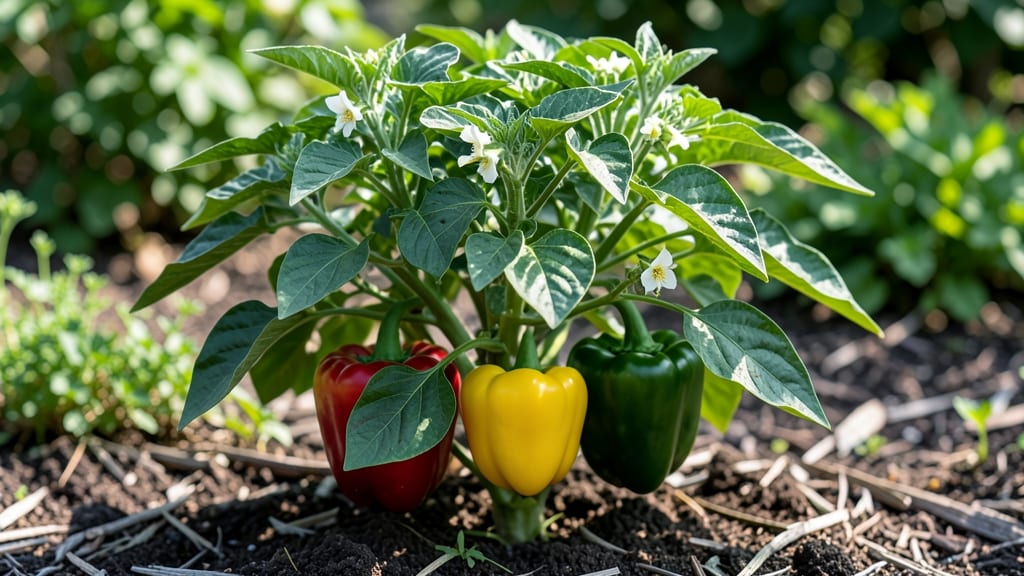
Mastering pepper plant care on poles turns your tiny balcony into a high-yield factory—last summer, my 4-foot deck produced 20 pounds of peppers using just three plants, no sprawling beds needed. 🌱 The secret isn’t fancy equipment; it’s training vines upward where sunlight and air circulate better, and the plants focus energy on fruit instead of searching for space.
Start with well-draining soil mixed with compost (think one-third compost to two-thirds potting mix), and place your poles or trellis near a south-facing wall for maximum warmth. Water deeply twice a week—enough to moisten the soil 6 inches down—but never let them sit soggy.
The moment flowers appear, switch to every-other-day watering to prevent blossom-end rot, a common pepper enemy.
Prune strategically: pinch off the first few flowers to encourage stronger stems, then let the plant go wild once it’s sturdy. By midseason, you’ll see vibrant red, yellow, and green peppers hanging like ornaments, and the plants will keep producing until frost.
The best part? No bending over—just reach up and harvest.
This method works for bell peppers, jalapeños, and even habaneros, whether you’re in a container or a raised bed. The key is patience: it takes 8-12 weeks from transplant to harvest, but the payoff is worth every minute. Ready to turn your small space into a pepper powerhouse?
Root Causes Of Pepper Struggles
Understanding why your pepper plants act up is half the battle—especially when you’re working with limited space and aiming for a bountiful harvest. Poor growth, yellowing leaves, or stunted fruit production often stem from avoidable (or easily fixable) issues.
Let’s break down the science behind the most common problems and why they happen.
Pepper plants (Capsicum annuum and relatives) are tropical heat-lovers, thriving in daytime temps of 70–85°F (21–29°C) and nighttime temps above 60°F (15°C). When conditions stray too far from this range, their metabolic processes grind to a halt.
- Too Cold?
- Below 50°F (10°C), peppers stop flowering and drop buds due to ethylene gas buildup (a stress hormone that triggers abscission).
- Root rot risk spikes if soil stays cold and soggy, as microbial activity slows, leading to anaerobic conditions (lack of oxygen) that drown roots.
- Actionable fix: Use row covers or greenhouse setups for early/late seasons. Mulch heavily to insulate roots.
- Too Hot?
- Above 95°F (35°C), peppers wilts (not just from thirst—stomatal closure reduces water uptake, causing physiological drought).
- Blossom-end rot (a calcium deficiency masked as a water issue) flares up when transpiration slows but roots can’t compensate.
- Actionable fix: Provide afternoon shade cloth (30–50% shade) in scorching climates. Drip irrigation keeps soil evenly moist without overheating foliage.
- Humidity Imbalances
- Low humidity (<40%)? Leaves curl and scorch as peppers lose water faster than roots can replace it, leading to necrotic edges (dead tissue).
- High humidity (>70%)? Fungal diseases (like Phytophthora or Alternaria) thrive, causing leaf spots, mold, or damping-off in seedlings.
- Actionable fix: Use a hygrometer to monitor levels. Fan leaves lightly in dry spells or improve airflow with pruning in humid zones.
Pepper plants hate inconsistent moisture—their shallow root systems demand 1–1.5 inches of water per week, but frequency matters more than volume.
- Underwatering - Symptoms: Drooping leaves that don’t perk up after watering (a sign of permanent wilting), crispy leaf edges, or fruit dropping prematurely. - Why? Peppers are 90% water when mature. Xylem vessels (water-conducting tubes) collapse under severe drought, blocking water flow even when soil is later moistened. - Actionable fix: Water deeply at the base (avoid overhead spraying to prevent fungal risks).
Use moisture meters to check soil before watering.
- Overwatering
- Symptoms: Yellowing lower leaves, mushy stems, or roots that smell like rot when pulled gently.
- Why? Peppers detest soggy soil—oxygen deprivation forces roots to switch to anaerobic respiration, producing ethanol and lactic acid, which poison cells.
- Actionable fix: Amend soil with perlite or vermiculite (20–30%) to improve drainage. Raise beds if your soil is clay-heavy.
Pole-trained peppers need 6–8 hours of direct sunlight daily, but indirect light (like under a shade cloth) can still work—if managed correctly.
- Too Little Light
- Symptoms: Leggy, weak stems, small or no flowers, pale yellow leaves (chlorosis).
- Why? Peppers require high light intensity to produce photosynthates (energy) for fruit development. Low light = stunted growth and aborted flowers.
- Actionable fix: Rotate plants weekly to ensure even sun exposure. Supplement with LED grow lights (12–14 hrs/day) if growing indoors or in shady spots.
- Too Much Direct Sun (Without Acclimation)
- Symptoms: Sunburnt leaves (white/yellow patches), blistered fruit, or sudden wilting.
- Why? Peppers need gradual hardening—sudden intense light causes oxidative stress, damaging chlorophyll and cell membranes.
- Actionable fix: Acclimate seedlings over 7–10 days before full sun. Use shade cloth for the first few weeks in hot climates.
Pepper plants are heavy feeders but hate "rich" soil—they prefer fertile but well-draining mixes with balanced nutrients.
- Nitrogen Overload - Symptoms: Lush green leaves but no flowers/fruit, stunted growth, or leggy stems. - Why? Excess nitrogen promotes foliage at the expense of reproductive growth.
Peppers redirect energy to leaves instead of flower and fruit development. - Actionable fix: Switch to a balanced fertilizer (10-10-10 or 5-10-10) once plants are 6–8 inches tall. Avoid fresh manure (use composted instead).
- Calcium Deficiency (Blossom-End Rot)
- Symptoms: Dark, sunken spots on fruit blossom ends, leathery texture, or cracking.
- Why? Calcium is immobile in plants—if roots can’t absorb enough (due to dry soil, high potassium, or poor drainage), new growth (like fruit) gets starved.
- Actionable fix: Side-dress with crushed eggshells or gypsum (calcium sulfate). Keep soil evenly moist to ensure uptake.
- Phosphorus & Potassium Shortages
- Symptoms: Purple stems/leaves (phosphorus), weak stems or slow growth (potassium), or fruit that’s small and misshapen.
- Why? Phosphorus fuels flowering, while potassium regulates water and disease resistance. Deficiencies stall fruit set.
- Actionable fix: Use a bloom-boosting fertilizer (like 5-10-10) when flowers appear. Banana peels (composted) add potassium naturally.
Pests and pathogens exploit stressed plants, but even healthy peppers can fall victim to specific invaders.
- Aphids & Spider Mites
- Why? These sap-suckers thrive in dry, dusty conditions, injecting toxins that cause curled leaves, sticky honeydew, and stunted growth.
- Actionable fix: Blast off with water (aphids hate it) or use neem oil (mite-repellent). Release ladybugs for biological control.
- Fungal Infections (Powdery Mildew, Early Blight)
- Why? Poor airflow + high humidity creates the perfect petri dish for spores. Overhead watering splashes spores onto leaves.
- Actionable fix: Prune for airflow, water at the base, and spray copper fungicide preventatively.
- Viruses (Like Tobacco Mosaic)
- Why? Spread by infected tools, hands, or sap-sucking insects, viruses distort leaves, stunt growth, and reduce yield.
- Actionable fix: Sterilize tools with rubbing alcohol, remove infected plants immediately, and keep pests in check.
Pole-trained peppers hate competition—whether from other plants or their own roots.
- Transplant Shock
- Why? Peppers develop a deep taproot quickly. Disturbing roots (even gently) triggers ethylene production, slowing growth for weeks.
- Actionable fix:
Quick fixes for pepper plant struggles
When your pole-trained peppers start acting up—whether it’s yellowing leaves, stunted growth, or fruit that refuses to ripen—don’t panic! Most issues have simple, actionable fixes. Below, we’ve mapped common problems to their solutions, complete with prevention tips to keep your plants thriving all season long.
Think of this as your pepper plant first-aid kit, tailored for small-space growers.
Cause: Overwatering, underwatering, nutrient deficiencies (like nitrogen or magnesium), or root stress. Fix It Fast:
- Check the soil: Stick your finger 1–2 inches deep. If it’s soggy, you’re overwatering; if dry, it’s time to hydrate.
- Adjust watering: Water deeply but only when the top inch of soil feels dry. Use well-draining pots with drainage holes to prevent root rot.
- Flush the soil: If you suspect nutrient buildup (from tap water or fertilizers), give the soil a gentle rinse with distilled or rainwater.
- Feed smart: Use a balanced liquid fertilizer (like 10-10-10) every 2–3 weeks during the growing season. For yellowing between veins (magnesium deficiency), apply Epsom salt (1 tbsp per gallon of water) monthly.
Prevent It: ✨ Mulch lightly with straw or shredded leaves to retain moisture without suffocating roots. ✨ Water at the base early in the day to reduce evaporation and fungal risks.
Cause: Overcrowding, inadequate sunlight, or improper pole training (e.g., ties too tight, no pruning). Fix It Fast:
- Prune aggressively: Snip off lower leaves that touch the soil (they’ll rot) and trim suckers (side shoots) to redirect energy to fruit production. Aim for 1–2 main stems per plant.
- Loosen the ties: If your plant looks constricted, gently adjust the ties or switch to a softer material (like old T-shirts or garden twine).
- Maximize light: Move your container to a sunnier spot (peppers need 6–8 hours of direct sun daily). If indoors, supplement with a grow light 12–14 hours/day.
- Boost nutrients: Switch to a high-phosphorus fertilizer (like 5-10-10) to encourage flowering and fruiting.
Prevent It: 💡 Train early: Start tying plants to poles when they’re young (6–8 inches tall) to avoid sudden weight stress. 💡 Space wisely: In containers, keep plants 18–24 inches apart to prevent competition for nutrients.
Cause: Blossom-end rot (dark, sunken spots on fruit) is usually a calcium deficiency, while unripe peppers may lack pollination or sunlight. Fix It Fast:
- For blossom-end rot:
- Add calcium: Mix 1 tbsp of crushed eggshells or calcium chloride (1 tsp per gallon of water) into the soil or spray on leaves.
- Keep soil moist but not soggy: Inconsistent watering worsens calcium uptake.
- For unripe peppers:
- Hand-pollinate: Gently shake the plant or use a small paintbrush to transfer pollen between flowers.
- Move to full sun: Even partial shade can delay ripening. If indoors, ensure grow lights are close enough (6 inches above the plant).
- Harvest green if needed: If peppers aren’t ripening by fall, pick them green and let them finish indoors in a sunny window.
Prevent It: 🌡️ Maintain even moisture—use a moisture meter or your finger to monitor soil consistency. 🎯 Use a balanced fertilizer with micronutrients (like fish emulsion) to prevent deficiencies.
Cause: These critters love tender pepper leaves and can stunt growth or defoliate plants quickly. Fix It Fast:
- Isolate the plant: Move it away from other peppers to prevent spreading.
- Blast off pests:
- Aphids/spider mites: Spray with a mix of water, dish soap (1 tsp per quart), and neem oil (1 tbsp). Repeat every 3–4 days.
- Hornworms: Handpick them (they’re huge and easy to spot!) or introduce beneficial nematodes to the soil.
- Attract predators: Plant nearby basil, marigolds, or dill to lure ladybugs and lacewings, which eat pests.
Prevent It: 🔥 Inspect regularly: Check undersides of leaves daily, especially in warm, dry weather (pests love these conditions). 🔪 Remove debris: Clear fallen leaves or fruit to eliminate hiding spots for eggs.
Cause: Temperatures above 90°F (32°C) can scorch leaves or cause peppers to drop flowers. Fix It Fast:
- Shade cloth: Drape lightweight shade cloth (30–50%) over plants during peak afternoon sun.
- Water deeply: Early morning watering helps cool the plant and soil.
- Prune for airflow: Trim dense foliage to improve ventilation and reduce heat buildup.
Prevent It: 💡 Choose heat-tolerant varieties like ‘Carolina Wonder’ or ‘Jalapeño M’ for hot climates. 💡 Use reflective mulch (like white plastic) to bounce back sunlight and keep roots cooler.
Cause: Roots circling the pot, compacted soil, or lack of organic matter. Fix It Fast:
- Repot if needed: If roots are poking out of drainage holes, move to a 1–2 inch larger container with fresh potting mix.
- Aerate the soil: Mix in compost or perlite to improve drainage and root growth.
- Fertilize lightly: Use a half-strength liquid fertilizer to avoid burning new roots.
Prevent It: 📊 Repot annually in early spring to refresh nutrients. 🥗 Use a chunky mix: Combine potting soil with coconut coir or vermiculite for better airflow.
Pro Tip: Keep a pepper plant journal to track watering, fertilizing, and issues. Noticing patterns (like wilting after watering) helps you adjust faster next time! 📝✨
Frequently asked questions about pepper plant care
How often should I fertilize my pepper plants?
Start with a balanced fertilizer (like 10-10-10) when seedlings are 6-8 inches tall, then feed every 2-3 weeks during the growing season. Switch to a high-phosphorus formula (5-10-10) when flowers appear to boost fruit production. Avoid over-fertilizing—peppers prefer lean soil over rich compost.
Can I grow peppers indoors without sunlight?
Yes, but you'll need grow lights for 12-14 hours daily. LED grow lights (full spectrum) work best, positioned 6 inches above plants. Place containers near a sunny window first to acclimate seedlings, then supplement with lights. Dwarf varieties like 'Shishito' thrive indoors with proper light.
Why are my pepper leaves turning yellow?
Yellowing leaves usually signal overwatering, nutrient deficiency, or poor drainage. Check soil moisture first—it should dry slightly between waterings. For yellowing between veins (magnesium deficiency), spray with Epsom salt solution (1 tbsp/gallon). Ensure pots have drainage holes to prevent root rot.
How do I train peppers on poles without damaging stems?
Use soft ties like old T-shirts or garden twine, not wire. Start training when plants are 6-8 inches tall, gently weaving stems through the pole as they grow. Loosen ties every 2-3 weeks to prevent constriction. Prune lower leaves that touch soil to improve airflow and reduce disease risk.
When should I harvest green peppers?
Harvest green peppers when they reach half their mature size for maximum productivity. This encourages more flowers to develop. For full ripening indoors, pick green peppers and place them in a bright, warm spot (70°F+)—they'll continue ripening over 1-2 weeks. Jalapeños and bell peppers ripen fastest this way.