
Size
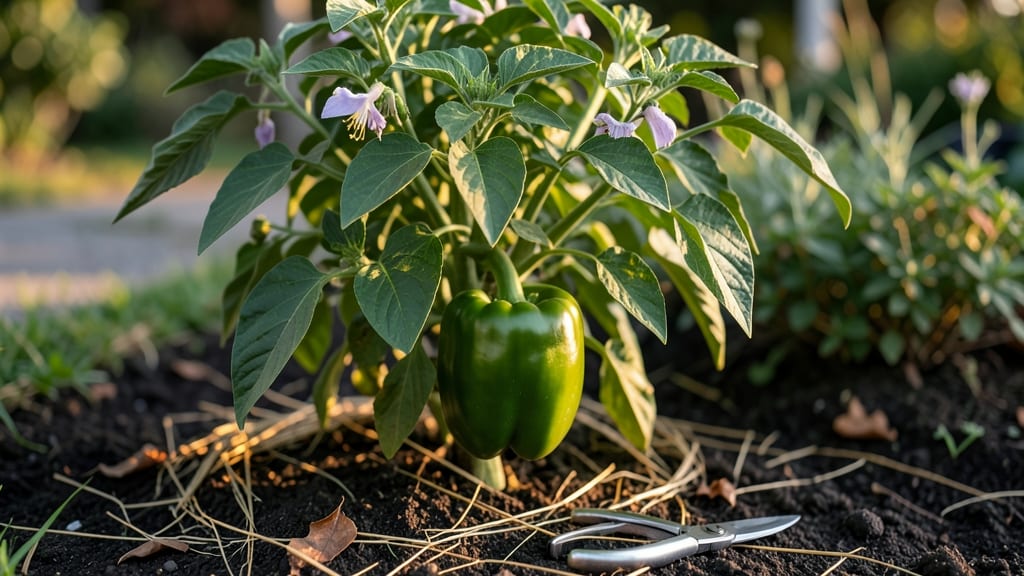
Bell peppers grow from transplanting to harvest in 60 to 90 days, though faster varieties like jalapeños mature in 50-60 days while larger types (e.g., California Wonder) may need up to 120 days. Their growth timeline varies based on the specific type, sunlight exposure, and soil quality.
Understanding how long bell peppers grow requires looking at their development phases. Most varieties spend 30-45 days as seedlings before transplanting, then another 14-21 days to flower. 🌱 After that, fruit ripening takes the bulk of the time—smaller peppers like banana peppers finish faster, while larger ones need more weeks.
The key factors here are consistent warmth (above 60°F), full sun exposure, and proper soil nutrients. I’ve found that container-grown peppers often mature slightly faster than those in ground beds due to better temperature control.
For gardeners eager to speed up the process, focusing on soil health and sunlight is critical. A slightly acidic soil (pH 6.0-6.8) and daily 6+ hours of sunlight create optimal conditions.
Regular watering (about 1-2 inches per week) and balanced fertilization (like a 10-10-10 NPK mix) can shave off 10-15 days of growth time. However, neglecting these basics often leads to common issues like blossom-end rot or pest damage, which can stall progress entirely.
💡 In This Article
- Bell Pepper Growth Stages: Days to Flowering and Fruit Ripening
- Accelerating Bell Pepper Growth: Soil, Sun, and Care Tips
Bell pepper growth stages: days to flowering and fruit ripening
Bell peppers follow a predictable growth cycle that begins with the seedling stage, where they spend 30-45 days developing strong roots and stems before transplanting. This early phase requires consistent moisture and temperatures above 55°F to prevent stunted growth.
The transition to flowering typically occurs 14-21 days after transplanting, marked by white or purple blossoms that signal the plant's readiness to produce fruit. 🌸 This stage is temperature-sensitive—below 60°F can delay flowering, while ideal conditions (between 70-85°F) encourage faster development.
Once flowers appear, fruit set begins within 7-10 days, where tiny peppers form and gradually swell. The ripening phase varies dramatically by variety: jalapeños and banana peppers often reach maturity in 50-60 days post-transplant, while larger bell peppers like California Wonder may take 90-120 days.
The color shift from green to red, yellow, or purple isn't just visual—it's a biochemical process where chlorophyll breaks down and carotenoids develop, triggered by sunlight exposure and temperature fluctuations.
Sunlight plays a critical role in this process. Peppers need 6+ hours of direct sunlight daily to develop properly, with full sun accelerating ripening by up to 20% compared to partial shade.
In my experience, container-grown peppers often ripen faster because they can be moved to optimal sunlight positions, whereas ground-planted peppers may face uneven exposure. The key is consistent warmth—peppers grown in cooler climates (below 65°F) may take 2-3 weeks longer to ripen than those in warmer regions.
Here's how the timeline breaks down for common varieties:
- Jalapeños: 50-60 days to harvest (fast-maturing, compact plants)
- Banana peppers: 60-70 days (smaller fruit, quicker ripening)
- Standard bell peppers (e.g., Sweet Banana): 70-80 days
- Large bell peppers (e.g., California Wonder): 90-120 days (longer due to fruit size)
What most gardeners don't realize is that the final 2-3 weeks of ripening are when peppers develop their full flavor and color intensity. Harvesting too early can result in bland, underdeveloped peppers.
For example, a green bell pepper picked at 60 days will lack the sweetness of one left to ripen to red at 90 days. This is because the sugar content increases significantly during the final ripening stage.
The entire growth cycle from seed to harvest can take 120-150 days when including the initial seedling phase, but most gardeners focus on the 60-120 day transplant-to-harvest window.
Understanding these stages helps you plan your garden layout and anticipate when to provide additional support, like trellises for heavier varieties or extra fertilization as fruit develops. 🌱