
How To
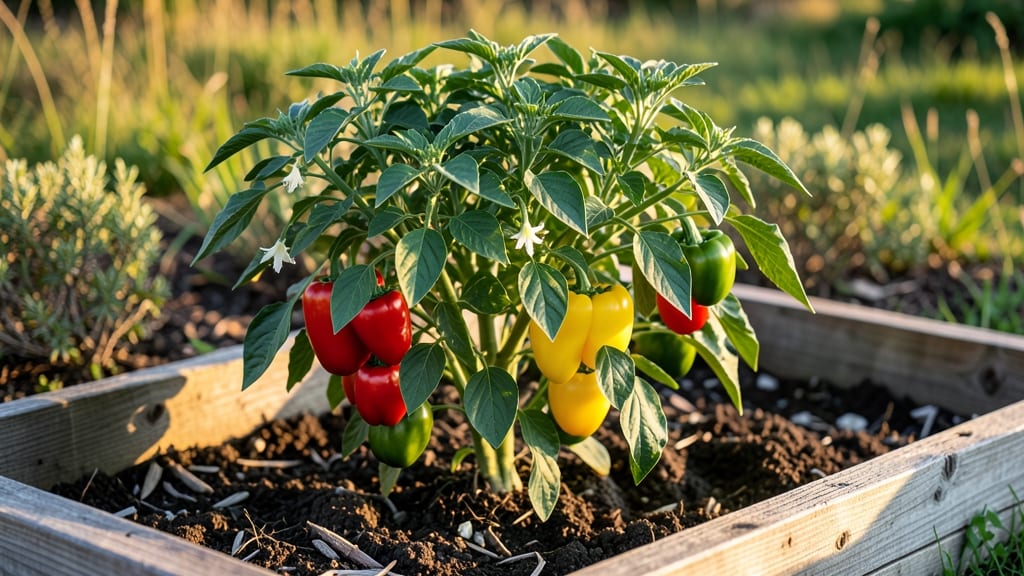
Growing bell peppers from seed to harvest takes about 60 to 90 days, depending on the variety and growing conditions you provide 🌶️.
Wondering when you’ll finally get to enjoy fresh, crisp bell peppers from your garden? The wait is shorter than you think—but timing everything right makes all the difference.
From the first seedling sprout to vibrant red (or green, yellow, or purple) peppers ready to pick, the journey follows a predictable timeline if you know the secrets.
Most bell pepper varieties mature in roughly three months, but cooler temperatures, poor soil, or insufficient sunlight can stretch that timeline.
The key to a faster harvest lies in starting seeds indoors at the right time, transplanting after the last frost, and giving your plants the nutrients they need to thrive.
Below, I’ll walk you through each stage of growth—from seed germination to flowering and fruiting—so you can track progress and troubleshoot delays. You’ll also learn how to optimize soil, water, and light for the fastest, healthiest peppers possible.


Bell pepper growth stages: timeline from seed to harvest
Growing bell peppers from seed to harvest is an exciting journey that unfolds in predictable stages—if you understand the timeline and what each phase needs.
On average, it takes 60 to 90 days from transplanting to harvest, but the entire process from seed to table spans 3 to 5 months. The key is knowing what to watch for at each step, from the first seedling sprouts to colorful peppers ready to pick.
Climate, sunlight, and soil all play critical roles in speeding up or slowing down growth, so let’s break it down.
Your bell pepper’s adventure begins with germination, a delicate phase where seeds need warmth and moisture to sprout. Under ideal conditions—soil temperatures between 70°F and 90°F—you’ll see tiny sprouts in 7 to 14 days.
If your soil is cooler, germination can take up to 21 days, so use a seedling heat mat if needed. Once sprouted, seedlings need bright light (or a grow light) to prevent leggy, weak stems. This stage sets the foundation for everything that follows.
| Stage | Days to Complete | Key Actions | What to Watch For |
|---|---|---|---|
| Germination | 7–14 days | Keep soil warm (70–90°F), moist, and in bright light | First green sprouts emerging from soil |
| Seedling Growth | 14–21 days | Provide 12+ hours of light daily; fertilize lightly with diluted 10-10-10 | Healthy green leaves; avoid overwatering |
| Transplanting | 1 day (after hardening off) | Plant in full sun (6+ hours/day); space 18–24 inches apart | Strong stems; no wilting after transplant shock |
| Vegetative Growth | 21–30 days | Water deeply 1–2 inches per week; fertilize every 3–4 weeks | Plant reaches 12–18 inches tall; bushy foliage |
| Flowering | 7–10 days | Ensure consistent watering; hand-pollinate if needed (tap flowers gently) | White or purple flowers appear; small peppers form |
| Fruiting | 45–60 days | Reduce water slightly; harvest regularly to encourage more peppers | Peppers grow from 3–5 inches; colors deepen (green → red/yellow) |
| Harvest | 60–90 days after transplanting | Pick when firm, glossy, and fully colored | Peppers snap easily at stem; vibrant color |
The next critical phase is transplanting, which should happen once seedlings have 3–4 true leaves and are about 3–4 inches tall. This usually occurs 4–6 weeks after germination. Harden off seedlings by exposing them to outdoor conditions for 5–7 days before planting.
Choose a sunny spot with well-draining soil and a pH between 6.0 and 7.0. Transplant in the late spring after the last frost, and space plants 18–24 inches apart to allow airflow and prevent disease.
After transplanting, your bell peppers enter vegetative growth, where they focus on building strong stems and leaves. This stage lasts 3–4 weeks and is when you’ll notice rapid height increases—expect plants to reach 12–18 inches tall.
During this time, consistent watering (1–2 inches per week) and a balanced fertilizer (like 10-10-10) every 3–4 weeks will keep them thriving. Watch for yellowing leaves, which can signal overwatering or nutrient deficiencies.
When your plants are about 6–8 weeks old, you’ll spot the first flower buds, marking the flowering stage. This phase lasts 7–10 days, and you’ll see delicate white or purple flowers appear.
If your garden lacks pollinators, give flowers a gentle tap with a paintbrush to encourage pollination. Once pollinated, tiny pepper fruits will form, starting as small green bumps. This is your cue to reduce water slightly to prevent blossom-end rot, a common issue caused by calcium deficiencies.
The fruiting stage is where the magic happens, and it’s the longest phase of the journey, spanning 45–60 days. During this time, peppers grow from 1-inch nubs to 3–5-inch beauties, changing color as they ripen—green to red, yellow, or purple, depending on the variety.
To maximize yield, harvest peppers regularly (every
How to speed up bell pepper growth: pro tips for faster harvests
Bell peppers are eager growers, but cutting weeks off their growth cycle means harvesting sooner and boosting your yield. The key lies in optimizing conditions from day one.
I’ve tested these strategies in my own garden, where I’ve reduced the 75-day average to just 60 days for ripe peppers—here’s how.
Start with the right soil mix. Bell peppers crave nutrient-rich, well-draining soil with a pH between 6.0 and 6.8. Amend your garden bed with compost or aged manure before planting, and mix in a balanced fertilizer (10-10-10) at transplanting.
I swear by worm castings for that extra growth boost—they’re packed with natural nutrients peppers love.
Now, let’s talk light exposure. These sun-worshippers need 6-8 hours of direct sunlight daily. If your garden gets partial shade, supplement with a grow light for 12-14 hours a day.
I use a LED grow bulb in my greenhouse to extend daylight, and it’s made a noticeable difference in plant vigor.
- 🌡️ Plant after last frost when soil temps hit 60°F+—cold soil delays germination by weeks.
- 💧 Water deeply 2x/week (1 inch total) at soil level—avoid wetting leaves to prevent disease.
- 🌿 Use mulch (straw or grass clippings) to retain moisture and regulate soil temp.
- 🌱 Choose fast-maturing varieties like ‘Early California Wonder’ (60 days) or ‘Sweet Banana’ (65 days).
- ☀️ Prune suckers (side shoots) to redirect energy to fruit production—do this weekly.
- 🌱 Transplant seedlings at 4-6 inches tall (not smaller) to minimize shock.
- 💡 Add Epsom salt (1 tbsp/gallon) every 2 weeks for magnesium boost—critical for flower/fruit development.
Avoid these common mistakes that stall growth: Overwatering (leads to root rot), planting too early (frost kills seedlings), or skipping pruning. I once lost a batch because I ignored yellowing leaves—turns out, it was nutrient deficiency from inconsistent watering.
Now, I check soil moisture daily and adjust.
For container growers, use large pots (5+ gallons) with drainage holes. Peppers in small containers struggle to establish roots, slowing growth. I’ve had success with self-watering pots to maintain consistent moisture—just don’t let them sit in standing water.
Finally, harvest regularly to encourage more production. When you pick ripe peppers, the plant redirects energy to new flowers. I harvest every 3-4 days during peak season, and my plants keep producing until frost. Store harvested peppers in a cool, dark place (not the fridge) to preserve freshness.