
Plants
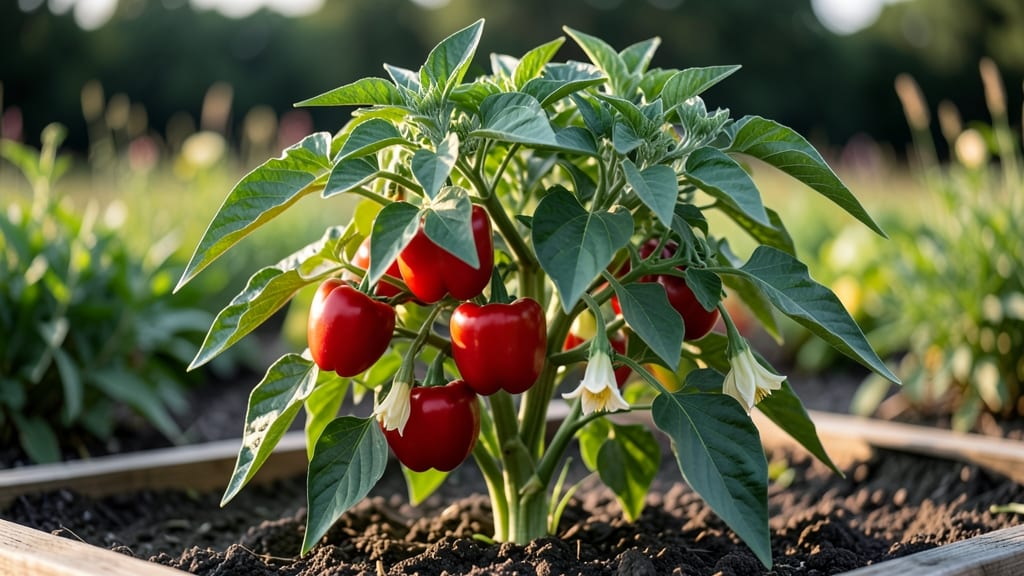
Red pepper plants grow between 1 and 4 feet tall, depending on the variety and how you grow them 🌶️ — a range that can change everything from your garden layout to how you support them.
If you're planning to grow red peppers in your garden, knowing their mature height isn’t just about aesthetics—it determines where you plant them, how you support them, and which varieties will thrive in your space.
Some varieties, like jalapeños or bell peppers, stay compact at 18–36 inches, making them perfect for containers or small gardens, while others like 'Mammoth' can reach 4–5 feet.
In this guide, I’ll break down the exact heights by variety, how growing conditions affect size, and the best ways to manage height—whether you’re pruning for bushier growth or trellising for taller types.


Red pepper plant height by variety: compact to towering types
Choosing the right red pepper variety depends heavily on your garden space. Some stay under 2 feet, perfect for containers, while others shoot up to 5 feet, needing sturdy support. Understanding these height variations helps you plan spacing, trellising, and even container sizes for a thriving harvest.
Most gardeners assume all peppers are similar in size, but the truth is far from it. A jalapeño might stay compact at 2–3 feet, while a bell pepper can reach 18–36 inches.
Meanwhile, varieties like 'Mammoth' or 'Cayenne' can tower over 4 feet, acting more like small shrubs than typical veggies.
Here’s the key: dwarf varieties thrive in pots or small gardens, while tall types need vertical support and wider planting beds. Whether you’re working with 10-gallon containers or a full raised bed, knowing these heights ensures your peppers grow happily without crowding.
🌶️ Pro Tip: Always check seed packets for height ranges—some "bush" types can still surprise you with unexpected growth spurts!
| Variety | Mature Height | Best For | Notes |
|---|---|---|---|
| Jalapeño | 2–3 ft | Containers, small gardens | Compact, bushy growth; needs pruning for air flow |
| Bell Pepper | 18–36 in | In-ground beds, raised beds | Medium height; benefits from light trellising |
| Serrano | 2–3 ft | Containers, vertical gardens | Slender stems; ideal for trellises |
| Cayenne | 3–4 ft | Large gardens, trellises | Tall and bushy; prune lower leaves for airflow |
| Mammoth | 4–5 ft | Large spaces, trellises | Giant variety; needs strong support |
| Dwarf Chili | 1–2 ft | Windowsills, small pots | Perfect for indoor growing; minimal care |
| Hungarian Wax | 24–36 in | Raised beds, containers | Bushy habit; great for fresh peppers |
If you’re growing jalapeños or serranos, their 2–3 foot height makes them ideal for 5-gallon containers or hanging baskets. These varieties stay manageable but still produce plenty of peppers.
For bell peppers, which max out at 3 feet, you can plant them 18 inches apart in rows for easy harvesting.
On the other hand, tall varieties like 'Mammoth' or 'Cayenne' need 4–5 feet of vertical space. These aren’t just tall—they’re heavy producers, so plan for sturdy trellises or cages. Without support, their branches can flop, leading to rot or poor fruit development.
For container gardening, stick to dwarf or semi-dwarf varieties like 'Dwarf Chili' or 'Hungarian Wax'. These thrive in 10–15 gallon pots and don’t require deep root space. Just ensure your container has drainage holes and use a lightweight potting mix to avoid toppling.
One common mistake is assuming all peppers need the same space. Overcrowding leads to poor airflow, increasing the risk of fungal diseases like powdery mildew. Always follow the spacing guidelines on seed packets—it’s not just about height, but also branch spread.
If you’re short on space but love tall varieties, consider vertical gardening. Use DIY trellises made from bamboo stakes or repurposed wire cages. This not only saves space but also makes harvesting easier by keeping peppers off the ground.
Remember, pruning can
How growing conditions affect red pepper plant height
Red pepper plant height isn't just about genetics—it's heavily influenced by your growing conditions. Too much shade can leave your jalapeños stunted at 18 inches, while perfect sunlight might push bell peppers to towering 36 inches.
Even the container you choose can determine whether your plants sprawl or stand tall. Understanding these factors lets you control growth for small spaces or maximize yield in larger gardens.
Sunlight exposure is the #1 factor affecting height. Most red peppers need 6-8 hours of direct sun daily to reach their full potential. Cut that to 4 hours or less, and you'll see plants that stay 20-30% shorter than expected.
The trade-off? Too much intense afternoon sun can stress plants, causing them to grow leggy and weak instead of bushy and productive.
Factors Affecting Red Pepper Height
- Full sun (6+ hrs): Maximizes height potential
- Proper pruning: Encourages bushier growth
- Trellising support: Directs energy upward
- 5-gallon+ containers: Prevents root binding
- Partial shade: Stunts growth by 30%
- Overcrowding: Causes leggy, weak stems
- Small pots: Limits root expansion
- No pruning: Leads to tall but sparse plants
💡 Tip: Use reflective mulch under containers to simulate full sun in shady spots
Pruning plays a surprising role in height control. Regularly pinching back side shoots (those little stems growing from the main stem) encourages your plant to grow wider rather than taller.
This bushier habit means more fruit production at waist height instead of reaching for the sky. Just avoid over-pruning—you'll sacrifice both height and yield if you remove too much foliage.
Trellising is another game-changer for height management. When you train tall varieties like Cayenne peppers (which can reach 3-4 feet) up a sturdy trellis, you're not just saving space—you're also improving air circulation.
This reduces disease risk and lets more sunlight reach lower leaves, which can boost fruit production by up to 25%. The key is installing support early when plants are still young.
Container size directly impacts height potential. A 5-gallon pot might keep your jalapeños at a manageable 2 feet, while the same variety in a 10-gallon container could reach 3 feet.
Root-bound plants become stressed, diverting energy to survival rather than growth. Always choose containers with drainage holes and use well-draining soil to prevent waterlogged roots that stunt growth.
Common mistakes often lead to unexpected height problems. Over-fertilizing with nitrogen-heavy mixes causes excessive leafy growth but fewer peppers, while underwatering leads to stunted, brittle stems. Even well-meaning gardeners sometimes plant too close together, forcing plants to compete for sunlight and nutrients.
The result? Plants grow leggy and weak instead of strong and productive.
For small spaces, consider dwarf varieties like 'Snackable' or 'Lunchbox' peppers that max out at 18-24 inches. In larger gardens, let your tall varieties reach their full potential with proper support.
Remember, the right growing conditions don't just affect height—they determine whether your peppers will be plump and flavorful or small and bitter.