
How To
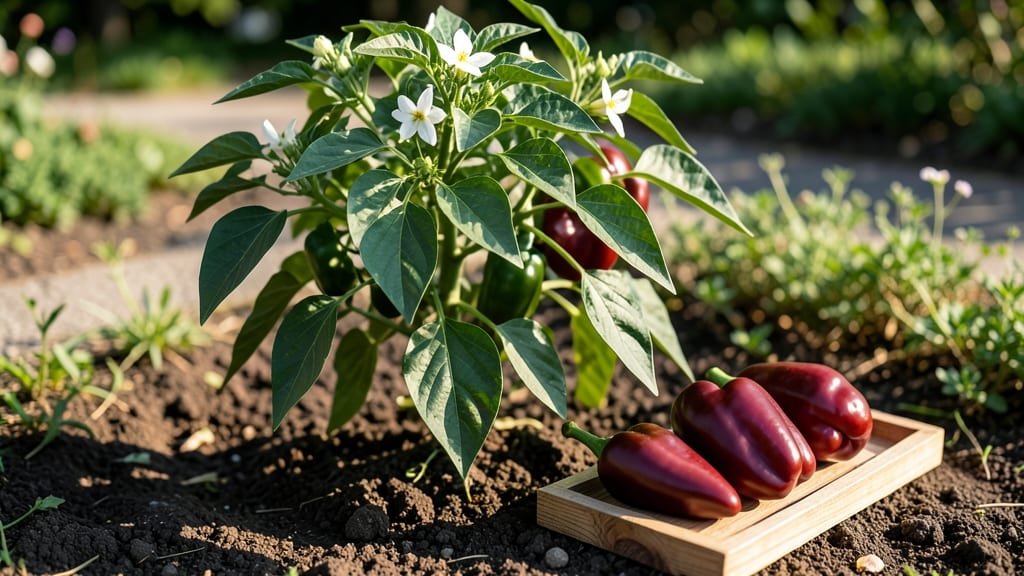
Turning your homegrown poblanos into smoky ancho chiles unlocks a flavor that transforms simple dishes into restaurant-worthy meals. 🌶️ The process starts with selecting deep green, firm peppers—those with a slight give when squeezed—and ends with dried chiles that crumble into rich, earthy paste.
This isn’t just drying; it’s preserving the essence of your garden’s harvest for months to come.
You’ll need just three essentials: ripe poblanos, a clean drying method (oven, dehydrator, or even a sunny windowsill), and patience—about 3-5 days for perfect results.
The key is consistency: whether you’re using a 200°F dehydrator or a low oven, keep temps steady to avoid burning while ensuring moisture evaporates completely. No fancy equipment? A screen over a baking rack works too, with airflow being your best friend.
Once fully dried, your ancho chiles will develop that deep, smoky sweetness—perfect for rehydrating into sauces, blending into marinades, or crumbling over tacos. The texture should be leathery but pliable, not brittle.
Store them in an airtight container for up to a year, where they’ll keep giving your home cooking that garden-to-table magic you grew them for in the first place.
Pro tip: Char a few peppers before drying for extra depth—just a quick pass over a gas flame or under a broiler. It’s the secret to that restaurant-quality flavor, and it takes less than a minute. Now, let’s get those peppers transforming into culinary gold.
📚 In This Guide
- What you need
- Instructions
- Tips and common mistakes
- Wrapping up and next steps
What you need
- ● Fresh poblano peppers: 6–10 medium-sized peppers (about 1–1.5 lbs total). Choose firm, unblemished peppers with a deep green color.
- ● Kitchen twine or cotton string: 1–2 yards (for bundling peppers). Avoid plastic or synthetic twine—it can melt during drying.
- ● Sharp chef’s knife or mandoline slicer: For precise cutting (a 1/4-inch thickness works best).
- ● Cutting board: A sturdy, non-slip board to keep your workspace safe.
- ● Drying method of choice: Oven method: Parchment paper or wire racks + oven preheated to 170–200°F (77–93°C).
- ● Dehydrator method: A food dehydrator set to 135–145°F (57–63°C).
- ● Sun-drying method: A well-ventilated, dry area with consistent airflow (ideal temps: 70–90°F / 21–32°C).
- ● Air-tight storage containers: Glass jars or vacuum-sealed bags for long-term storage (once fully dried).
- ● A thermometer (for dehydrators/ovens) to monitor temperature precisely.
- ● Wooden skewers (if drying whole peppers for a rustic touch).
- ● Smoking wood chips (like hickory or apple) for an extra smoky flavor (use sparingly in the oven or dehydrator).
- ● Food processor or blender (if you plan to grind dried ancho chiles into powder later).
- ● Labeling supplies: Masking tape + marker to label jars with the date.
Step-by-step instructions for transforming poblanos into ancho peppers
Here's how to turn vibrant poblanos into rich, smoky ancho peppers with perfect texture.
🌱 Step 1: Select and Prepare the Poblanos
Choose fully mature poblanos that are deep green with a slight waxy sheen—these will develop the best flavor when dried. Avoid any peppers with soft spots or blemishes, as they won't dry evenly. I like to work with poblanos that are about 5-6 inches long, as they balance size and drying efficiency.
Wash the peppers thoroughly under cool water to remove any dirt or wax coating, then pat them dry completely with a clean kitchen towel. This step is critical—any moisture left on the skin will create uneven drying or even mold. For extra flavor development, I make a small slit along one side of each pepper with a sharp knife, being careful not to pierce the skin completely. This helps the pepper dry more quickly and evenly.
💧 Step 2: Blanch and Char for Smoky Depth
Blanch the poblanos over a gas flame or in a dry skillet for about 30-45 seconds per side until the skins blacken slightly and blister in spots. This step is what gives ancho peppers their signature smoky depth—don't skip it! If you're using an oven, broil them for 5-7 minutes at high heat, turning occasionally. The goal is to char the skin without burning the flesh underneath.
Once charred, immediately transfer the peppers to a bowl and cover them with a clean kitchen towel. Let them steam for 10 minutes—this helps loosen the skins so they'll peel away easily. You'll know they're ready when the skins look slightly wrinkled and the peppers feel soft to the touch. Be careful not to over-steam, or the peppers may become mushy.
☀️ Step 3: Peel and Dry the Poblanos
After steaming, use a small knife or your fingers to gently peel away the charred skins. You don't need to remove every last bit—just the blackened outer layer. The flesh should still be firm and bright green underneath. I like to leave the peppers whole for even drying, but you can also slice them into ½-inch strips if you prefer thinner ancho pieces. This step is where the magic happens—proper drying transforms the poblanos into ancho.
Arrange the peeled poblanos on a clean, dry surface in a single layer, ensuring they don't touch. For best results, I use a dehydrator set to 135°F, but you can also dry them in a well-ventilated area away from direct sunlight. The drying process will take 4-6 hours in a dehydrator or 3-5 days in a dry, airy spot. Poblanos are fully dried when they feel brittle and papery to the touch—bend a dried pepper slightly, and it should crackle.
⏰ Step 4: Store for Maximum Flavor Development
Once completely dry, let the ancho peppers cool to room temperature. Store them in an airtight container, preferably with a small piece of parchment paper between layers to prevent sticking. I like to keep mine in the refrigerator for up to 6 months, where they'll continue to develop deeper, more complex flavors over time. For longer storage, you can freeze the dried peppers for up to 1 year, though they'll lose some of their texture.
To use, simply rehydrate the ancho peppers in warm water or broth for 10-15 minutes until pliable. They'll add a rich, smoky depth to sauces, soups, and stews—far beyond what fresh poblanos can offer. The key to great ancho is patience: the longer you store them, the more their flavor intensifies. Trust the process, and you'll have a pantry staple that elevates every dish.
Tips & tricks for perfect ancho pepper transformation
These game-changing insights will help you transform your poblanos into restaurant-quality ancho peppers every time.
Selection is Everything: Look for poblanos with a deep green color and firm texture—avoid any with soft spots or wrinkles. The ideal size is 5-6 inches long, as they balance drying time and flavor intensity. I've found that slightly waxy skins actually help preserve moisture during the drying process, so don't wash them too aggressively before selecting.
Char Control: The 30-45 seconds per side charring time is crucial—this creates that signature smoky depth without burning the flesh. For even results, work in batches if needed. If using an oven, preheat to high heat and broil for exactly 5-7 minutes, turning occasionally. Watch closely—the moment the skins blacken slightly is when you should move them to steam.
Drying Efficiency: Arrange your peeled poblanos in a single layer with space between each pepper to ensure even air circulation. If using a dehydrator at 135°F, rotate the trays halfway through the 4-6 hour process. For air-drying, choose a spot with good airflow and minimal humidity—think of it like making homemade jerky but for peppers!
Pro Tips for Dry Poblano Peppers Into Ancho
- These game-changing insights will help you transform your poblanos into restaurant-quality ancho peppers every time.
- Selection is Everything: Look for poblanos with a deep green color and firm texture—avoid any with soft spots or wrinkles.
- Char Control: The 30-45 seconds per side charring time is crucial—this creates that signature smoky depth without burning the flesh.
Frequently asked questions
Got questions about turning poblanos into ancho peppers? You’re not alone! Here are answers to the most common queries—so you can dry your peppers like a pro.
How long does it take to dry poblano peppers into ancho?
Drying time depends on your method:
- Oven: 2–4 hours at 175°F (80°C), flipping every 30–60 minutes.
- Dehydrator: 6–12 hours at 135°F (57°C).
- Sun-drying: 3–7 days (weather-dependent).
Can I speed up the drying process?
Yes! For faster results:
- Use a food dehydrator (most efficient).
- Pre-slice peppers thinly (¼-inch thick) for even drying.
- Boost oven heat slightly (up to 200°F/93°C) but monitor closely to avoid burning.
What if my peppers aren’t drying evenly?
Uneven drying happens when:
- Peppers are too thick—slice thinner next time.
- Humidity is high—use a fan or dehydrator with airflow settings.
- Oven heat isn’t consistent—rotate trays midway.
How should I store dried ancho peppers?
Store them in an airtight container (glass jars or vacuum-sealed bags) in a cool, dark place (like a pantry). They’ll last:
- Up to 1 year at room temp.
- Longer (2+ years) in the freezer.
Can I use other peppers to make ancho?
While poblano is traditional, you can experiment with:
- Ancho’s cousin: Dried mulato (dried ancho) or pasilla peppers.
- Milder swaps: Bell peppers (less smoky) or jalapeños (spicier).
- Avoid: Green bell peppers—they lack the depth of poblano’s smokiness.
Wrapping up and next steps
Transforming poblano peppers into ancho is a rewarding journey that unlocks bold, smoky flavors for your cooking!
With patience and the right technique—whether air-drying, oven-drying, or dehydrating—you’ll create a versatile ingredient that elevates soups, sauces, and more. Don’t stop here! Experiment with your dried ancho by blending them into homemade chili powder or infusing oils for an extra layer of depth. Your kitchen (and taste buds) will thank you! 🌶️✨