
How To
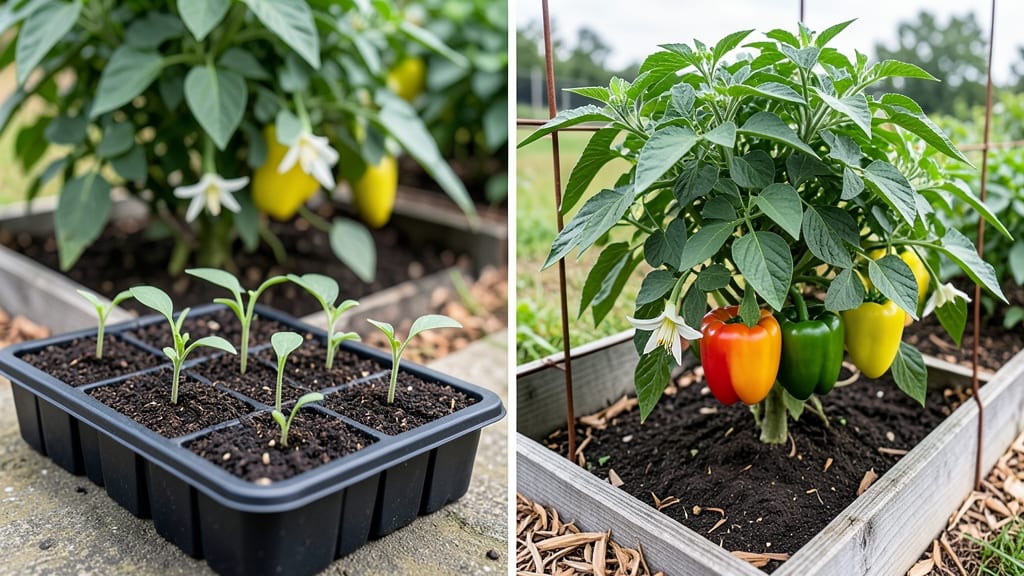
Planting pepper seeds is where the magic starts—faster germination means earlier harvests and more productive plants. 🌱 I’ve learned the hard way that tiny seeds need just the right conditions to break through soil, and these secrets cut the waiting time in half while keeping seedlings strong from day one.
The trick is warmth, moisture, and patience—pepper seeds need soil temps between 75-85°F to sprout reliably. A heat mat or sunny windowsill makes all the difference, especially for slow starters like jalapeños or bell peppers.
Plant them ¼-inch deep in moist, sterile seed-starting mix, and keep them consistently damp (not soggy) until you see those first green shoots. Once they emerge, you’ll notice bold, dark-green leaves within 7-14 days—a sign you’re on the right track.
Thin seedlings to the strongest one per pot, and give them 6+ hours of light daily to prevent leggy, weak stems. The payoff? Stocky plants ready for transplanting in 6-8 weeks, not the weaklings you’d get from store-bought starts.
This method works for indoor starts (begin 8-10 weeks before last frost) or direct sowing in warm climates. The key is consistency—once you master these steps, you’ll never buy pepper seedlings again.
📚 In This Guide
- What you need
- Instructions
- Tips and common mistakes
- Wrapping up and next steps
What you need
- ● Pepper seeds: 5–10 seeds per variety (check seed packets for spacing needs).
- ● Seed-starting mix: 1–2 bags (lightweight, sterile, and well-draining; avoid garden soil).
- ● Seed trays or small pots: 2–4" deep, with drainage holes (biodegradable pots are eco-friendly!).
- ● Grow lights or sunny windowsill: 12–16 hours of light daily (south-facing window or LED grow lights work best).
- ● Misting bottle or spray nozzle: For gentle watering (avoid soaking the soil).
- ○ Plastic wrap or humidity dome: To retain moisture (optional but helpful for germination).
- ○ Heat mat (optional but recommended): 70–85°F range (peppers love warmth!).
- ● Fertilizer (balanced or seed-starting formula): Diluted to half-strength (e.g., 5-5-5 or 10-10-10).
- ● Seedling heat mat: Speeds up germination (especially in cool climates).
- ● pH test kit: Ideal soil pH for peppers is 6.0–6.8.
- ● Label markers: To track seed varieties (trust us, you’ll forget!).
- ● Fungicide (like neem oil or hydrogen peroxide): Prevents damping-off disease.
- ● Transplant pillows or peat pots: For easy moving when seedlings are ready.
Step-by-step instructions for planting pepper seeds
Here’s my foolproof method for coaxing pepper seeds into strong, fast-growing seedlings—no more waiting weeks for stubborn sprouts.
🌱 Step 1: Prep Seeds and Soil for Optimal Germination
Start by soaking your pepper seeds in lukewarm water for 12-24 hours. This softens the tough outer coating and speeds up germination—you’ll see seeds plump up noticeably. While they soak, fill your seed-starting trays with sterile seed-starting mix (never garden soil) and moisten it until damp but not soggy. I like to work the mix with my fingers until it crumbles easily.
Press the soil down gently to create a firm base—this prevents seedlings from toppling over later. Pepper seeds need warmth to germinate, so place your trays on a seedling heat mat set to 80-85°F. If you don’t have a heat mat, a sunny windowsill or warm spot near your fridge works in a pinch. Just keep the soil consistently warm; cold soil will delay germination for weeks.
🌱 Step 2: Plant Seeds at the Right Depth and Spacing
Pepper seeds are tiny but pack a punch, so plant them just ¼ inch deep—any deeper and they’ll struggle to break through. Use a toothpick or pencil to poke a small hole for each seed, then drop one in and cover lightly with soil. I plant 2 seeds per cell to ensure at least one strong sprout, but thin later to avoid competition.
Label your trays immediately—pepper varieties look identical at first. Mist the soil surface with water until evenly damp, then cover the tray with a clear plastic dome or plastic wrap. This traps heat and humidity, creating the tropical conditions peppers love. Check daily for condensation; if the dome fogs up, lift it briefly to let excess moisture escape.
💧 Step 3: Maintain Warmth and Moisture for Fast Sprouting
Pepper seeds germinate best in 75-85°F soil, so keep that heat mat running until you see sprouts. With the dome in place, you’ll notice condensation on the inside—this is normal and ensures high humidity. Water only when the soil surface feels dry to the touch, but avoid overwatering; soggy soil causes rot before seeds even sprout.
Germination can take 7-21 days, depending on the variety and warmth. Don’t give up if nothing appears in the first week—some heirlooms take their time. Once you see the first green shoots, remove the dome immediately. Leaving it on too long suffocates seedlings and invites mold. Place the tray under a grow light or in the brightest window you have—pepper seedlings need 14-16 hours of light daily to stay stocky and strong.
☀️ Step 4: Thin Seedlings and Harden Off for Outdoor Success
When seedlings develop their first true leaves (the second set after the initial cotyledons), it’s time to thin. Use scissors to snip the weaker seedling at soil level, leaving the stronger one. This prevents root disturbance and gives your pepper its best start. If both seedlings look equal, transplant one to another cell in the tray.
After 4-6 weeks, when seedlings are 4-6 inches tall with 4-6 true leaves, begin hardening them off. Start by moving them outside to a shaded spot for 1 hour daily, gradually increasing time over 10-14 days. This toughens their stems and prepares them for the garden. Watch for wilting—if it happens, they’re not ready yet. Once hardened off, they’ll transplant like pros.
Tips & tricks for faster pepper seed germination
Took me years of trial-and-error to perfect these tricks—here's how to skip the waiting game and get those pepper sprouts popping in record time.
Soak Smart: The 12-24 hour soak is your secret weapon, but don't let those seeds dry out during the process. I like to place a damp paper towel over the container while soaking to maintain humidity. You'll know they're ready when they plump up noticeably—this means the tough outer coating has softened enough for faster germination. Pro tip: If you're short on time, you can soak for just 6 hours (though 12-24 gives best results), but don't skip this step entirely—it can cut germination time by nearly half.
Heat Hack: Those 80-85°F soil temperatures are non-negotiable for peppers, but here's how to troubleshoot: If you don't have a heat mat, try placing your trays on top of your refrigerator (not inside) where it stays warm from the compressor. For extra insurance, I wrap my trays in a thin towel to help maintain that consistent warmth. Remember, cold soil is the #1 reason pepper seeds take forever to sprout—sometimes up to 3 weeks instead of the 7-21 day range.
Light Strategy: The 14-16 hours of daily light is crucial for preventing leggy seedlings, but don't overlook this: Rotate your trays every 2-3 days so all seedlings get even exposure. I place a small ruler on the tray to mark orientation. Also, if you're using a grow light, position it just 2-3 inches above the seedlings—closer than that can burn them, while farther away won't provide enough intensity. You'll know it's working when your seedlings stand tall and sturdy rather than stretching toward the light.
Harden Off Gradually: That initial 1 hour outside is just the beginning—here's my pro move: I gradually increase exposure by 30 minutes each day until reaching full sun. I also start with the shadiest spot in my garden and slowly move toward sunnier locations. Watch for wilting as your signal: If leaves droop, they're not ready for more sun yet. This slow approach prevents transplant shock that can kill young seedlings.
Pro Tips for Plant Pepper Seeds
- Took me years of trial-and-error to perfect these tricks—here's how to skip the waiting game and get those pepper sprouts popping in record time.
- Soak Smart: The 12-24 hour soak is your secret weapon, but don't let those seeds dry out during the process.
- For extra insurance, I wrap my trays in a thin towel to help maintain that consistent warmth.
Frequently asked questions
Got questions about growing peppers from seeds? You're not alone! Here are answers to the most common queries to help you succeed—no guesswork required.
How long does it take for pepper seeds to germinate?
Patience is key! Most pepper seeds sprout in 10–20 days when kept warm (70–85°F) and moist. Jalapeños and bell peppers germinate faster (7–14 days), while hotter varieties like habaneros may take longer. Pro tip: Use a heat mat if your home stays cool—it can cut germination time in half!
Can I plant pepper seeds outside in early spring?
Nope! Peppers are tender tropicals and won’t survive frost or cold soil. Start seeds indoors 8–12 weeks before your last frost date, then transplant seedlings outside only after nighttime temps stay above 55°F. Use row covers for extra protection if needed.
Why aren’t my pepper seeds sprouting? Troubleshooting tips.
Seeds might fail to sprout due to old seeds, poor moisture, or cold temps. Check these fixes:
- Test viability: Soak seeds in water overnight—if they sink, they’re likely good.
- Adjust moisture: Keep soil damp (not soggy) and use a spray bottle to avoid disturbing seeds.
- Warmth boost: Place trays on a sunny windowsill or under grow lights.
- Fresh seeds: Store-bought seeds are usually fine, but homemade seeds lose vigor after 1–2 years.
Do pepper seeds need light to germinate?
Nope! Seeds germinate best in darkness—light comes later. Once sprouts appear (1–2 inches tall), move them to a bright, sunny spot (or under grow lights for 12–16 hours/day). Shady seedlings stretch and weaken, so don’t rush it!
Can I save seeds from store-bought peppers?
Yes, but only if the pepper is an open-pollinated variety (check labels!). Avoid hybrids (marked "F1")—their seeds won’t grow true. Let peppers fully ripen on the plant, scoop out seeds, rinse, dry, and store in a cool, dark place. Bonus: Fermenting seeds in water for 2–3 days improves germination!
What’s the best alternative if my seeds won’t grow?
No worries! Try these backups:
- Buy fresh seeds: Opt for reputable brands like Baker Creek or Johnny’s Selected Seeds for high germination rates.
- Transplant seedlings: Buy starter plants from a nursery (just harden them off first!).
- Try hydroponics: Fast-track growth with nutrient-rich water systems for quicker harvests.
Wrapping up and next steps
Growing peppers from seeds is a rewarding journey that starts with patience and the right techniques! By following these steps—from selecting high-quality seeds to providing the perfect germination environment—you’ll be well on your way to a thriving harvest. Remember, even the smallest efforts can lead to big, flavorful rewards! 🌱
Now that you’re armed with knowledge, it’s time to take action. Grab those seeds, prep your soil, and watch your pepper plants grow stronger every day. Ready to turn your green thumb into a spicy success? Start planting today! 🌶️